Kirari Bettei vs Sawarabi no Yu: Pick the Hanno Bath for Your Day
Choose between Hanno’s Kirari Bettei and Sawarabi no Yu by visit length, child admission, spring details, bus access, and current prices.
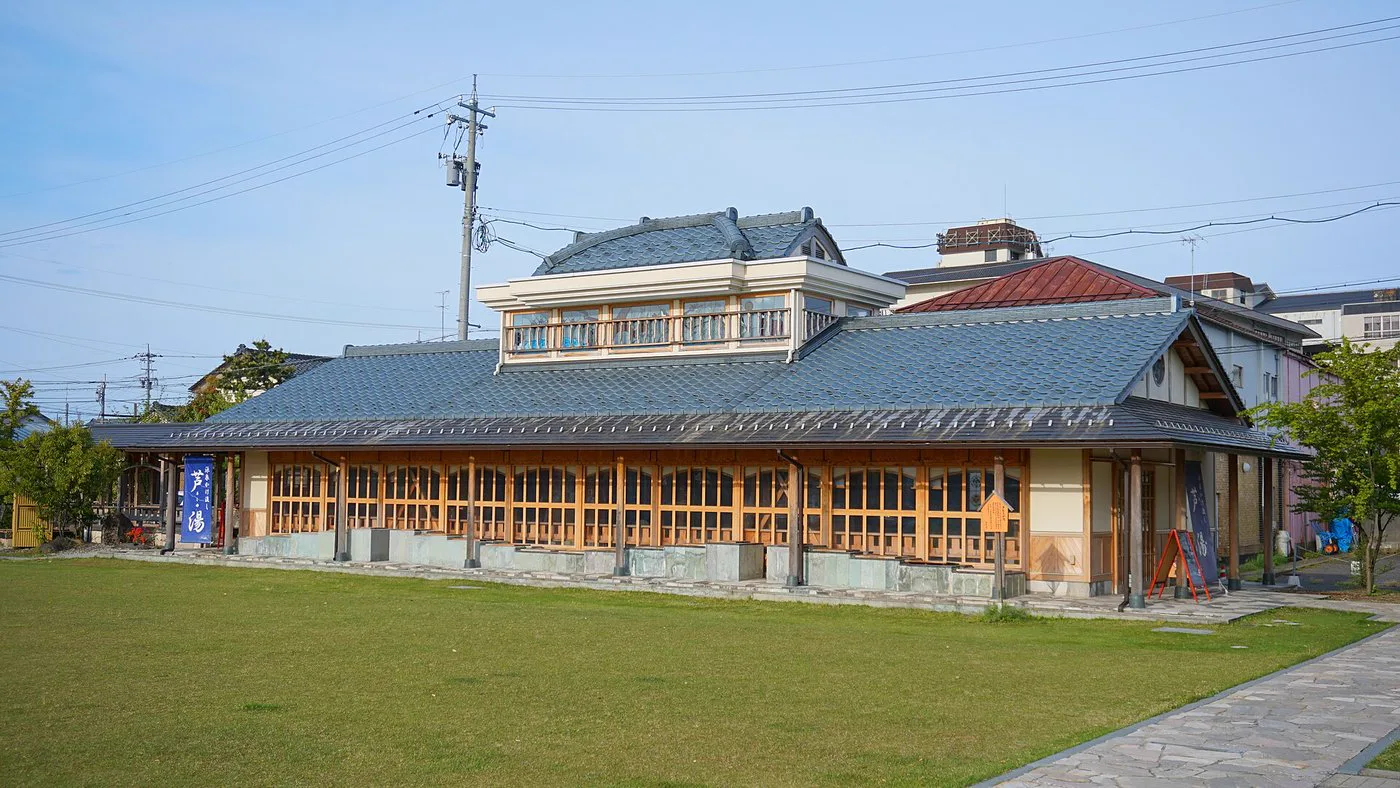
Kirari Bettei is a self-contained spa beside Lake Miyazawa and Metsä, with meals, rest space and a heated-stone area. Sawarabi no Yu is a smaller public bath in Naguri that fits better after a walk, lake visit or campsite stay. The useful distinction is the kind of day you want to build around bathing.
When Kirari’s longer visit makes sense
Kirari has the more flexible closing time: it is open from 9 a.m. to 11 p.m., last entry 10 p.m. The simple admission includes bathing; towel set and heated-stone access are separate package choices. Adults only may use the heated-stone area, and preschool children are not admitted.
Its setting near Lake Miyazawa makes it easy to combine bathing with a meal or a visit to Metsä. This is the better fit if the bath is the main outing and you want to stay indoors between soaks. The operator describes the water treatment pool by pool: the outdoor rock bath is heated and flow-through, while other baths are heated, filtered, recirculated and disinfected. See the facility’s spring notes for those distinctions.
Sawarabi works as the last stop in Naguri
Sawarabi’s public bath has indoor and outdoor pools, a steam sauna, changing lockers and rest areas. Admission is limited to three hours, and its usual closing time is 6 p.m. There is no restaurant, so treat it as the bathing stop at the end of an outdoor day rather than a place to spend an afternoon over food and reading.
Children are admitted at Sawarabi, while Kirari excludes preschoolers. Check the facility’s current child and bathing rules if you are planning a family visit. Sawarabi’s FAQ also notes its cash and Hello Again payment options.
What the spring data can—and cannot—tell you
Kirari lists an alkaline simple hot spring with a source temperature of 32.4°C and pH 9.5. Those values describe the source; they do not mean that every tub is unheated. The treatment notes identify which baths are flow-through and which are recirculated.
Sawarabi’s published source is a 16.8°C alkaline simple sulfur cold spring. The facility heats it for bathing using wood pellets made from Nishikawa timber. Its public pages describe the spring and heating but do not provide the same treatment breakdown for each individual pool. Do not assume all tubs are untreated source water.
Entry prices: note the November 1 change
Kirari’s current fee page lists the rates below through October 31, 2026. From November 1, adult prices change as shown in its notice. Special-price periods can add exceptions, so recheck the date-specific tariff before visiting.
| Kirari adult package | Through Oct. 31: weekday / weekend | From Nov. 1: weekday / weekend |
|---|---|---|
| Admission, no towel | ¥1,050 / ¥1,100 | ¥1,050 / ¥1,100 |
| Towel set | ¥1,350 / ¥1,400 | ¥1,400 / ¥1,450 |
| Heated-stone course with towel set | ¥1,850 / ¥2,100 | ¥1,900 / ¥2,150 |
Sawarabi’s adult ticket is ¥800 for a three-hour visit. Students in elementary and junior high pay ¥400; preschoolers are admitted free. The posted rates and the current Kirari change notice are linked from their fee page and Sawarabi’s admission page.
The bus ride is part of the comparison
Kirari is about a five-minute walk from the Metsä bus terminal, roughly 15 minutes by bus from Hanno Station. The direct route is simpler, but the bus timetable ends before the bathhouse closes. Confirm a return trip before planning a long spa visit.
Sawarabi is farther up the valley. Buses from Hanno and Higashi-Hanno reach the Nora Naguri / Sawarabi no Yu stop beside the entrance, but departures are less frequent. Check the operator access page and reserve enough time for a return. It has no facility shuttle.
Choose Kirari for a long, flexible spa visit near the lake. Pick Sawarabi when the day already includes Naguri and you can fit the earlier closing time and less frequent bus around it. For a transit-first comparison, read Hanno onsen without a car; the Sawarabi–Taishokaku comparison covers the other Naguri bath format. Other nearby choices include Chichibu day-use baths, Kumagaya day baths, Seiganji Onsen, Omiya bath options, Omiya without a car, and the Kanto day-trip guide.
