Sawarabi no Yu or Taishokaku? Choose by the kind of day you want
Compare Sawarabi no Yu’s three-hour public bath with Taishokaku’s ryokan-style visit, including current prices, cold-spring water, crowd limits and transport.
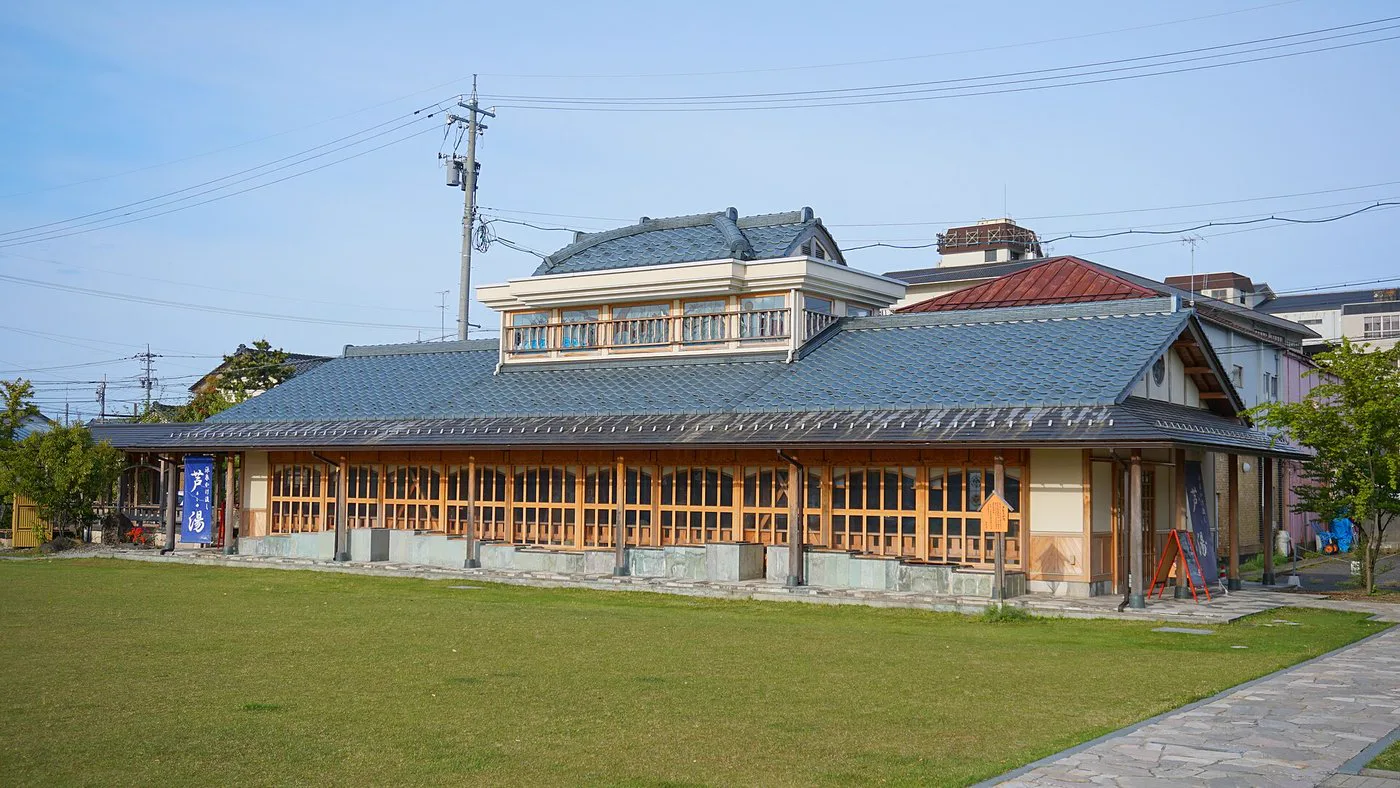
In Naguri, Sawarabi no Yu and Naguri Onsen Taishokaku are not two versions of the same day bath. Sawarabi is an ¥800, three-hour public facility for cooling off after a walk, ride or visit to Lake Naguri. Taishokaku is a ryokan that opens its fifth-floor baths to non-staying guests when room operations allow. The ordinary day ticket is ¥1,600, rising to ¥1,800 on weekends, public holidays and busy periods.
Pick Sawarabi if you want a clear, low-cost stop with an indoor bath, outdoor bath and steam sauna. Choose Taishokaku if the mountain-inn setting, its own cold mineral spring and a more complete ryokan visit are worth paying extra for—and you can accept that the standard walk-in bath may be paused for hotel guests.
| If today is about… | Better fit |
|---|---|
| A bath after hiking near Mount Bonoore or Lake Naguri | Sawarabi no Yu |
| A short, three-hour stop with a fixed admission price | Sawarabi no Yu |
| A ryokan’s indoor and outdoor baths | Taishokaku |
| A private room, meal and station pickup | Taishokaku’s bookable day-use plan |
| Guaranteed access at a particular hour | Confirm with either property first |
The water is cool at the source, not in the bath
Sawarabi identifies its spring as alkaline simple sulfur cold mineral water at 16.8°C. It heats the water for bathing, using wood pellets made from local Nishikawa timber. The property does not publish a full account of dilution, circulation and disinfection for each pool, so do not call every bath a source-fed flow bath.
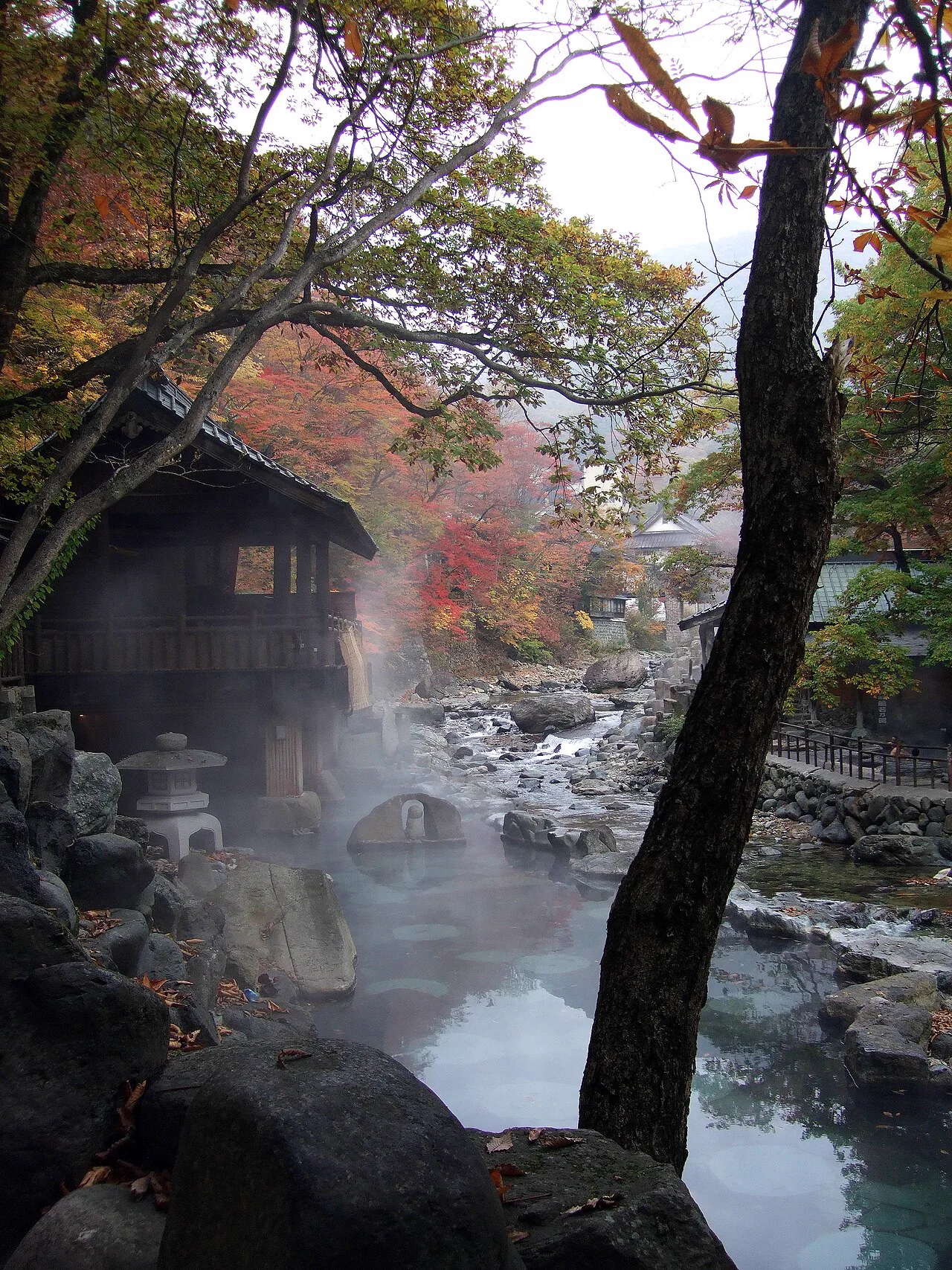
Taishokaku lists its own Naguri radium mineral spring at around 17–18°C, from two sources with a combined yield of about 16 litres per minute. The main bath is set to roughly 40°C, and a smaller adjacent bath uses the cool spring water. Keep the source temperature and bathing temperature separate when comparing them.
The main risk at Taishokaku is availability
The regular day-bath option does not take advance reservations. Walk-in admission is listed from 11 a.m. to 8:30 p.m., but hotel guests take priority after 3 p.m.; the property warns that the 2:30–6 p.m. period can be particularly difficult for outside visitors. Getting there during the published reception window does not guarantee entry.
If you want to remove that uncertainty, Taishokaku’s bookable day-use plans are a different product: options include a 3.5-hour lunch stay, a five-hour lunch stay, a six-hour dinner stay and a ten-hour lunch-and-dinner plan. They include a private room and scheduled meals; some include a reserved shuttle from Hanno Station’s south exit. These plans are generally unavailable on Saturdays, holiday eves and peak periods, and must be booked ahead.
Getting to the baths
Sawarabi is served by the bus for Naguri, with a stop by the Nolla Naguri / Sawarabi area. For Taishokaku’s ordinary walk-in bath, take a bus from Hanno toward Naguri and walk about seven minutes from Naguri Kawabashi. The ryokan shuttle is tied to booked day-use plans; do not assume it is offered with a standard bath ticket.
Neither property has a confirmed tattoo policy. Ask before travelling if it affects your decision. Sawarabi normally opens 10 a.m.–6 p.m. and closes on the first and third Wednesday, with occasional maintenance closures; check its latest notice before heading into the valley.