Shichifuku no Yu Toda: Is the Jjimjilbang Upgrade Worth It?
Compare Shichifuku no Yu Toda’s natural hot-spring baths with its separate, clothing-required jjimjilbang. See why the upgrade suits families and longer visits.
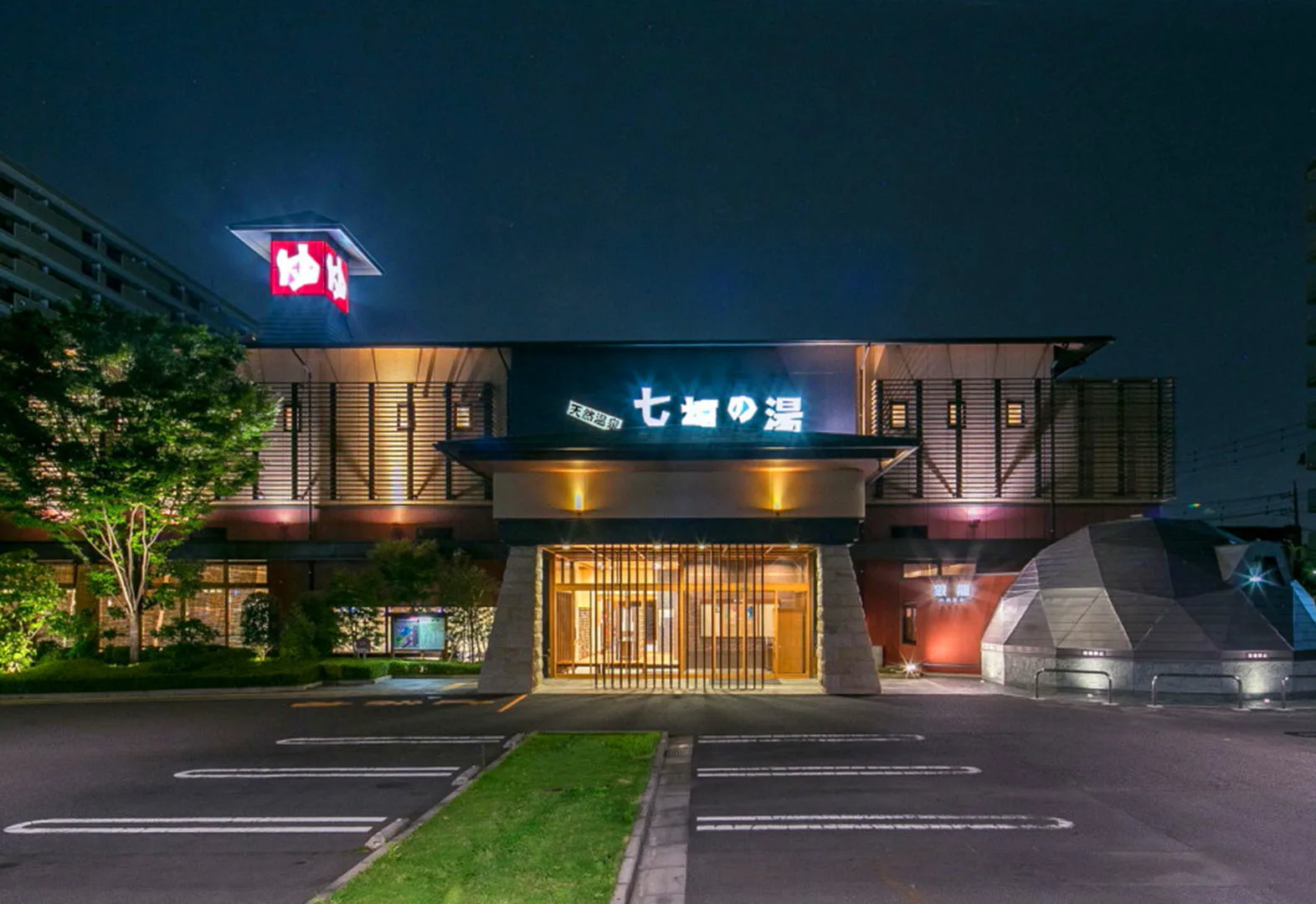
Shichifuku no Yu in Toda works for two different visits. The standard admission covers the hot-spring baths and gender-separated saunas; the extra-charge jjimjilbang adds a clothing-required area where friends and families can spend time together. If you only want a soak and a sauna, the basic visit is enough. The add-on makes more sense when you plan to stay for several hours.
The facility draws natural hot-spring water from about 1,400 metres underground, according to its official account. Saitama Prefecture lists the Toda branch among its hot-spring facilities and classifies its water as a sodium-chloride spring. The bathhouse has multiple pools, including outdoor spring-water baths, alongside carbonated and jet baths.
Adult admission is currently listed at ¥1,000 on weekdays and ¥1,100 on weekends and holidays. The jjimjilbang adds ¥700 or ¥750, respectively. Those rates make the choice clear: the basic ticket is better for a short soak; the add-on is easier to justify when you will stay long enough to use its shared rest and heated rooms. Check the current price before travelling.
The jjimjilbang changes who can spend the visit together
The bath area is separated by gender, as usual. The jjimjilbang is a shared, clothed zone with heated rooms, cooling space and places to rest. That makes the distinction practical for couples and mixed-age families: everyone can regroup there instead of meeting only after separate bathing.
Shichifuku lists a child rate for the jjimjilbang, unlike facilities where the heated lounge is restricted to teenagers or adults. The heat rooms still need sensible breaks, especially with young children. Check the current child-entry, bathing and diaper rules with the facility before travelling; those conditions are not all set out clearly in its public English information.
“Ōryū” is the facility’s scheduled heat-wave event inside its dome-style room. It is not a continuous performance, so check the day’s event board or call ahead if that is the main reason for your visit. A late arrival can leave little time to use the add-on, while the basic bath visit remains straightforward.
Reaching the Toda branch without a car
The bathhouse is in Kizawa Minami, not beside a station. From Kawaguchi Station’s west exit, route buses stop at Kizawa-bashi, a short walk from the entrance. From Toda-Kōen Station, the city’s Kizawa-loop community bus serves Kizawa Minami 1-chome. The city fare is ¥100 per ride; check both directions before you leave, since this is a local bus rather than a facility shuttle. A taxi is the simpler fallback if the return bus does not fit your visit.
There is free parking, but the location and parking convenience should not be mistaken for an easy rail-side stop. The nearest stations are roughly 1–2 km away, so walking the entire distance is less appealing after a long bath or late sauna session.
Shichifuku’s current public pages do not make its tattoo policy clear. Do not assume that rules at another branch apply here; call the Toda facility before setting out if this affects your plans. For a different Saitama visit where the choice is between a standard admission and a separate rest lounge, see Ofuro no Osama Wako.