Shiga Sento Guide: Where to Find a Neighborhood Public Bath
Shiga’s sento are scattered beyond Otsu, and local listings can be stale. Use the area guide, then confirm opening status and prices with each bathhouse.
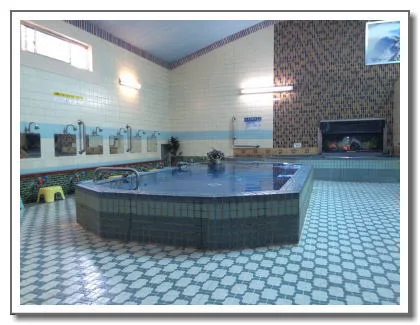
Shiga’s sento are scattered across the prefecture rather than gathered in one hot-spring town. Otsu has the widest set of options for a visitor without a car; farther west and north, a bath can be a useful end to a stay in Kusatsu, Koka, Higashiomi or Nagahama. The catch is that some local listings are old, and a facility’s appearance on a government register does not confirm that it is open for walk-in bathing today.
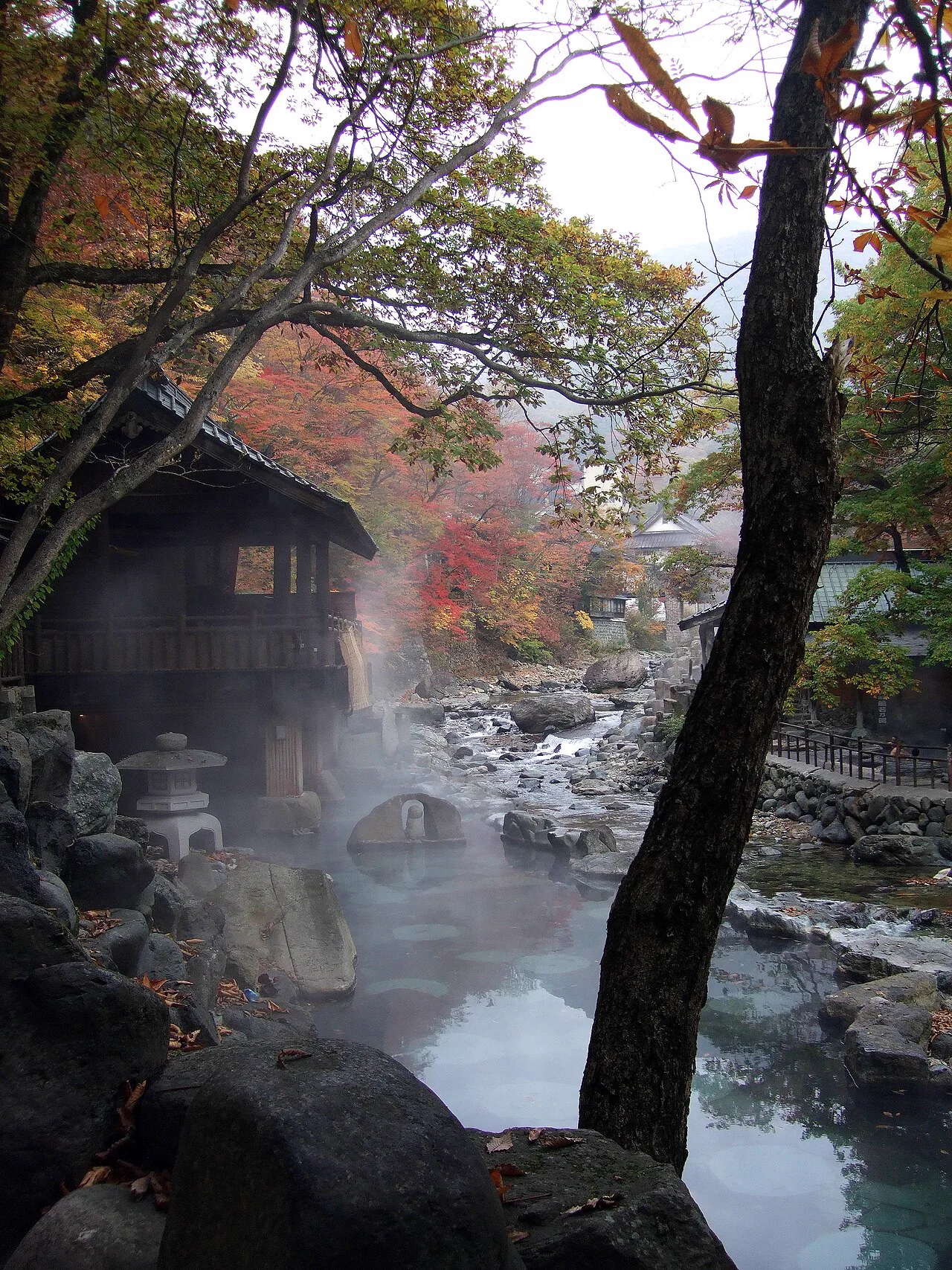
Shiga’s neighborhood bathhouses (sento) are distinct from facilities with legally classified natural onsen water. For springs with published analysis, see the Shiga day-use onsen guide.
Start in Otsu if you need the clearest choice
Otsu is the simplest base for comparing several sento. Two baths in the city list Sunday openings from 8 a.m.; one current operator listing stays open until 1 a.m. The details, station access and date limits vary by bath, so the Otsu six-bath comparison is the better page for choosing between them.
Otsu City’s bathhouse directory, updated in April 2025, still lists Fukui-yu. A later report says it closed in May 2025, but no operator notice confirms that date. Check the bath’s current status before travelling across town.
Other areas: choose a bath near where you are staying
| Area | Bathhouse | What you can plan around |
|---|---|---|
| Kusatsu | Sakurayu | A neighborhood bath near JR Kusatsu Station. The latest local listings give afternoon-to-evening hours and a Sunday closing, but there is no dedicated live operator schedule. |
| Koka (Minakuchi) | Shimizuyu | A small traditional sento about five minutes from Minakuchi-Ishibashi Station. Its listed hours and fare come from older public-bath material, not a current operator page. |
| Higashiomi (Yokaichi) | Enmeiyu | The operator currently lists admission reception from 5 to 10:30 p.m., with the bath closing at 11 p.m. It closes on the 3rd, 8th, 13th, 18th, 23rd and 28th of each month. Yokaichi Station is about a three-minute walk away. |
| Omihachiman | Hachimanchō No. 1 Community Bath | The city names a community association as designated manager for April 2026–March 2029, but its current public hours and visitor admission are not on the city page. Confirm directly before including it in an itinerary. |
| Nagahama | Biwako-yu | Local bath directories still list it, but I could not verify current opening hours or admission on an operator or municipal page. Treat it as unconfirmed until you reach the bathhouse. |
Enmeiyu’s own site lists a sauna, jet bath, bubble bath, cold bath, neon bath and electric bath. It also says cash is required; soap, shampoo and towels are available to buy, and visitors can use the Shimizu Shrine car park without charge. The operator’s current fee is shown as an image rather than readable text, so I have not supplied a price. The site calls the facility a sento; it does not provide the spring-analysis details needed to call the bathing water a legally classified natural hot spring.
Sakurayu and Shimizuyu have their own guides linked above, including the limits of what current sources establish. For smaller baths without an operator page, listed hours should be treated as a lead for a phone call—not as a same-day guarantee.
The October 2026 fare change is a ceiling, not a price list
Shiga Prefecture sets maximum admission for ordinary public baths. The ceilings change on October 1, 2026:
| Age group | Through Sep. 30, 2026 | From Oct. 1, 2026 |
|---|---|---|
| Age 12 and over | ¥490 | ¥550 |
| Age 6 to under 12 | ¥150 | ¥200 |
| Under 6 | ¥100 | ¥100 |
Those figures are legal maximums, not mandatory ticket prices. Some baths list their own fare; others do not publish one in current, readable operator information. Sauna, towel and rental charges may also be separate. Check the venue’s own notice before you go, especially if your visit falls around the October change.
A register entry is not proof that the bath is operating
The prefecture’s public-bath register is updated monthly, but the prefecture cautions that its information may differ from conditions at the time you use it. Kutsuki Fureai Center is a clear example: the facility appears in public-bath records, while Takashima City’s page says its bathhouse wing is suspended. Do not add it to a bathing day unless the city confirms reopening.
Hachimanchō No. 1 Community Bath needs a similar distinction. Its management arrangement is current, but that alone does not tell a visitor when the doors are open or what a walk-in ticket costs. Biwako-yu’s available schedules are also not backed by a current official page I could verify. These are research gaps, not reasons to assume that the baths have closed; contact them before setting out.
Sento water and tattoo rules vary by bath
Groundwater, well water or a facility name containing onsen does not by itself prove a legal natural hot spring. Several Shiga baths describe groundwater or distinctive heating methods, but that is a different claim from publishing a hot-spring analysis certificate.
There is no single tattoo rule that can safely be applied across the prefecture. Ask the bathhouse you plan to visit; do not assume that a policy at one sento also applies to another. If your trip is specifically about natural hot springs and tattoo access, check the separate Shiga tattoo and onsen guide.