Sukayu Onsen: Touji Building or Ryokan Building?
Compare Sukayu's Touji and Ryokan rooms, including shared kitchens, bathroom arrangements, bedding and meal service, before choosing a room plan.
At Sukayu, “Touji” and “Ryokan” describe different ways of staying at the same hot-spring inn. They do not mean different baths. The practical choice is whether you want a room set up for a simpler, longer stay or a more conventional overnight visit with meals and more private facilities.
Touji suits guests who will use the shared facilities
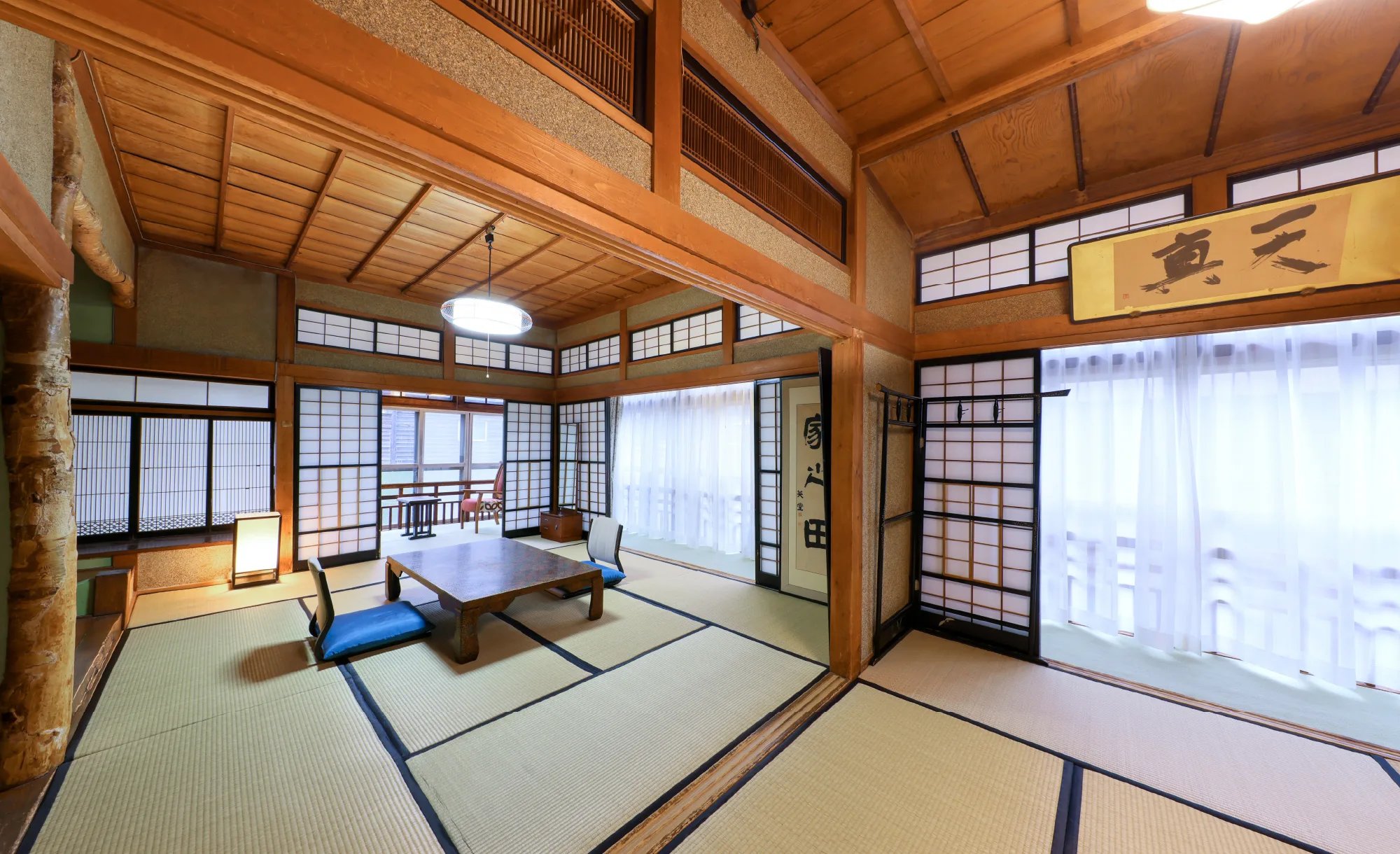
The Touji rooms are simple Japanese-style rooms intended for longer stays. Guests use shared sinks and toilets, except that Building 3 is listed as having toilets in the rooms. The property provides a shared kitchen with a gas hob, kettle, microwave and basic cleaning equipment. Some pots, ladles and tableware can be borrowed free, subject to availability; bring your own chopsticks, knife and cutting board if you need them.
You can book meals, but they are eaten in the dining area rather than in the room. Sukayu describes its Touji meal as a daily selection of five or six dishes. Bedding is self-service, and laundry machines are coin-operated. This setup works when you want a straightforward base, plan to stay more than one night, or value having somewhere to prepare simple food over having a private bathroom.
The Ryokan buildings are not all alike
Sukayu lists Buildings 1, I and 7 as Ryokan buildings. Building 1 is the most conventional option in the group: its rooms have beds, a refrigerator, toilet and washbasin. Buildings I and 7 are older two-storey wooden buildings with traditional six- to eight-mat rooms; the operator notes that those rooms do not have refrigerators. Towels, bath towels and yukata are provided in the Ryokan rooms.
Meal arrangements depend on the building and plan. Building 1 and Building 7 use the dining room for dinner; Building I has plans with different meal arrangements. Since May 2026, the inn’s notice says dinner in the room is limited to Building I’s first floor for newly booked plans. Older descriptions that imply every Building I room includes in-room dinner are out of date. Check the details attached to your chosen plan.
Choose by what you will notice during the stay
For a first visit of one night, Building 1 is the straightforward choice if an in-room toilet and washbasin matter. Building I or 7 may appeal if you specifically want an older Japanese room, but confirm the floor, dinner location and whether a refrigerator is available.
The Touji side can make more sense for a longer stay or a simple self-catering routine. It is not automatically the cheaper option on every date: compare the actual room-only or meal-included totals, then account for the meals you expect to buy. Prices vary by season, room and plan, so a single sample rate would not tell you which is better for your booking.
Both building groups share Sukayu’s bathing facilities. An overnight stay also gives access to the guest-only evening women’s hour in the large bath and eligibility for the reserved shuttle from Shin-Aomori Station. Those benefits do not depend on choosing a particular building. If you are still deciding whether the overnight stay is worth its cost, start with the day trip or overnight comparison; for transport details, see guest shuttle or JR Bus.
Details to confirm before booking
Ask the inn about room location if stairs are difficult or a nearby toilet is important; its facility page specifically invites guests to mention these needs when reserving. Check the meal plan’s exact location and times, what is supplied in the room, and whether a kitchen item you need is available. The site does not publish one universal price for either building category, so use the total for your dates rather than comparing labels.
Sources
- Sukayu Onsen: room types and facilities
- Sukayu Onsen: restaurant and meal plans
- Sukayu Onsen: April 2026 notice about Building I dinner plans
- Sukayu Onsen: access and guest shuttle