Sukayu or Tsuta Onsen? A Practical Comparison for Hakkoda
Choose between Sukayu and Tsuta by bathing rules, spring style, day-use terms, bus access and seasonal closures across the Hakkoda area.
Sukayu and Tsuta Onsen sit on different sides of the Hakkoda area, and they suit different kinds of visit. Sukayu is easier to reach from Aomori and has a large, mixed-bathing wooden bath alongside a gender-separated option. Tsuta is farther south, quieter in feel as an overnight destination, and known for baths set directly over the spring. If you are deciding where to spend a day, the return bus and each bath’s gender schedule may matter more than the headline price.
The short answer
Pick Sukayu if you want the signature Hakkoda bath, are travelling from Aomori, or need a winter option. The Sen-nin-buro is a 160-tatami Hiba-wood hall with four spring sources. Its mixed-bathing rules are clear, as are the women-only hour and the separate Tamano-yu. JR Bus Tohoku lists about 70 minutes from Aomori Station.
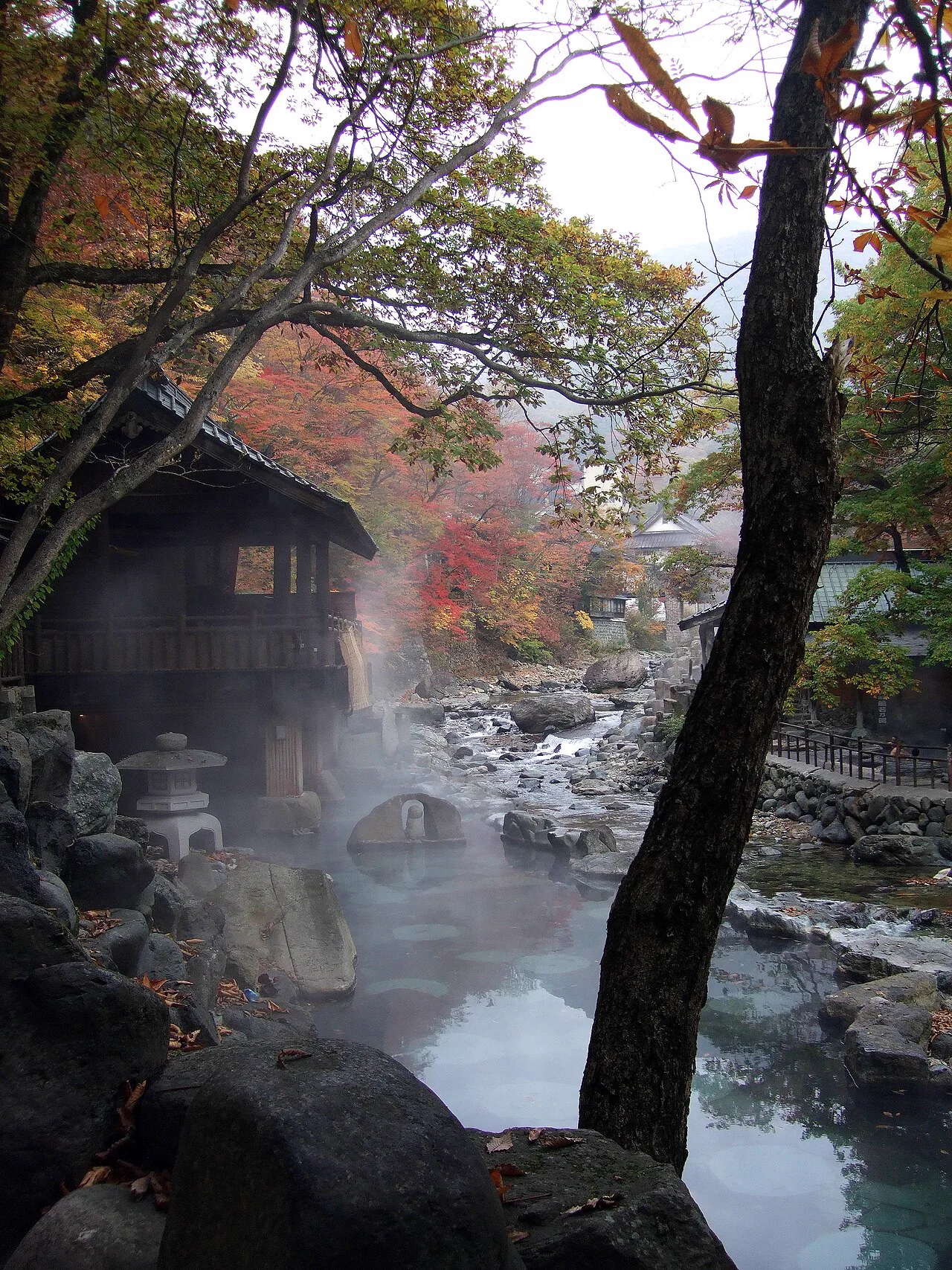
Pick Tsuta if the spring itself interests you, you would like to stay in a historic inn beside the beech forest, or you are already travelling toward Oirase and Lake Towada. Its baths are set over the source so water rises through the wooden floor. That is a distinct bathing setup, not a claim that no water is ever added: Tsuta says forest spring water is used to adjust the temperature in Kyuan-no-yu. The trip from Aomori by bus takes about 2 hours 8 minutes, and Tsuta closes seasonally in winter.
What is actually different about the baths?
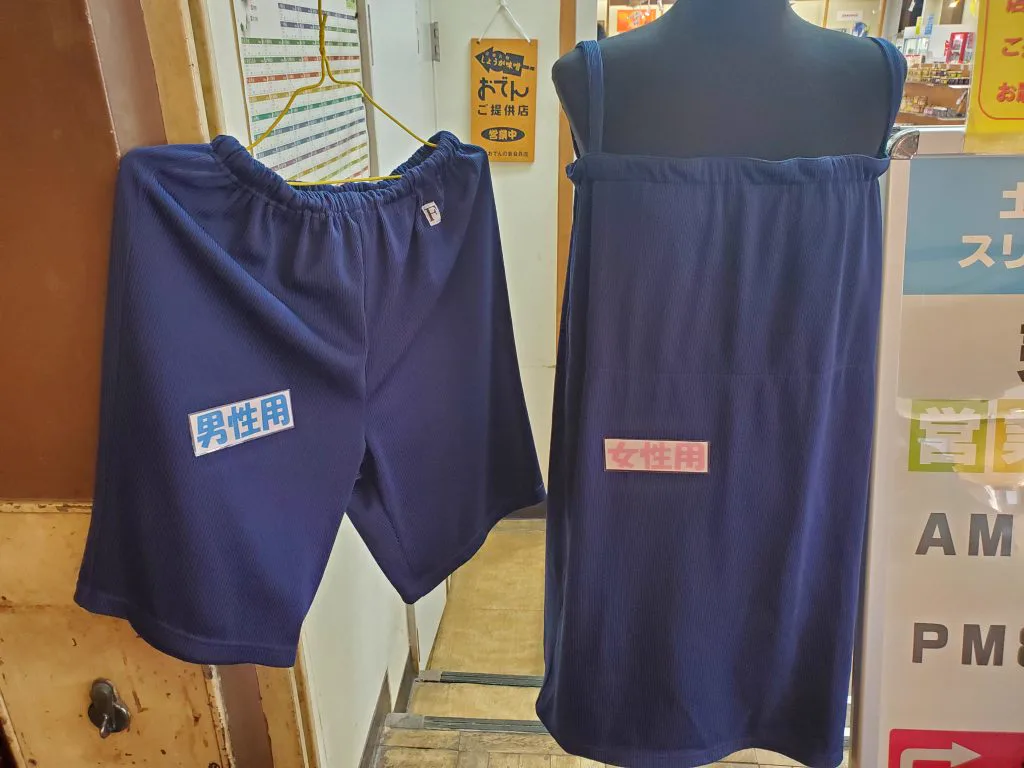
Sukayu’s main draw is scale. The Sen-nin-buro has four bathing areas supplied by four sources; Tamano-yu uses a fifth, separate source and is divided by gender. Sukayu classifies all five as acidic sulfur springs. Its inn describes the main hall as entirely Hiba wood and about 160 tatami in size. The bath is mixed, with women-only hours currently posted from 8 to 9 a.m. and inn-rented bathing garments available for ¥500. Tamano-yu stays gender-separated throughout the day.
Tsuta’s appeal is the way water enters the bath. At Kyuan-no-yu, the tub sits directly above a natural spring, and water bubbles up through the wooden floor. The inn says it adds water from the Tsuta forest to regulate the temperature.
Kyuan-no-yu is shared by gender according to a timetable, not used as a mixed bath. Women’s daytime hours are 10 a.m.–noon and men’s are 1–9 p.m. Women also have a late-night and early-morning window, which is not useful for day visitors. Senkyo-no-yu is separated by gender.
That makes Tsuta the easier choice if you do not want a mixed bathing room. It still needs planning for a day visit: a woman arriving after noon cannot use Kyuan-no-yu during the daytime, and male and female companions cannot use it together at the same time. Both can use Senkyo-no-yu during day-use hours.
Day-use prices and hours
The two inns currently show the same adult day-use price, ¥1,000, but Sukayu’s policy changes on December 1, 2026. Tsuta’s posted day-use window is shorter and can close early when busy or unavailable for photography.
| Detail | Sukayu Onsen | Tsuta Onsen |
|---|---|---|
| Adult admission | ¥1,000 through Nov. 30, 2026; ¥1,500 from Dec. 1 | ¥1,000 |
| Child admission | Elementary school: ¥500. Preschool children free from Dec. 1 | Elementary school: ¥500 |
| Day-use hours | Through Nov. 30: Sen-nin-buro 7 a.m.–6 p.m., Tamano-yu 9 a.m.–5 p.m. From Dec. 1: both baths 9 a.m.–4 p.m. | 10 a.m.–3 p.m.; last entry 2:30 p.m. |
| Main limit | Sen-nin-buro is mixed; women-only time is 8–9 a.m. | Day visitors have a narrow window for Kyuan-no-yu; the inn may end day use early |
| Towels | Current ticket supplies a towel. From Dec. 1, it includes a rental bath towel and take-home face towel. | Hand towel ¥300; rental bath towel ¥500 |
| Other terms | Both baths and rest areas included; ticket machine is cash-only | Extra charges for towels |
Sukayu’s new ticket terms start December 1. Tsuta may stop day use early when crowded or unavailable for filming. Check the official bath page on your travel date.
Getting there by bus
From Aomori Station, the published JR Bus Tohoku journey is about 70 minutes to Sukayu and 2 hours 8 minutes to Tsuta. The current posted one-way fares are ¥1,570 and ¥2,400 respectively. For someone based in Aomori City and returning the same way, Sukayu uses less of the day. Tsuta makes more sense if it lies along your route toward Oirase or Lake Towada, rather than as a quick out-and-back.
The timetable is seasonal. On September 28, 2026, the operator listed its autumn service through November 17. The winter bus to Sukayu starts November 12, while the Aomori–Oirase–Lake Towada service is suspended for winter. That winter route does not continue to Tsuta.
Check the JR Bus Tohoku route and date-specific timetable before buying a ticket or planning a connection. The fare table accepts JR EAST PASS and JAPAN RAIL PASS on the local route; other pass products may not be accepted.
Tsuta’s complimentary transfer from Shichinohe-Towada Station is for overnight guests, not day visitors. It must be reserved at least three days before the stay. The posted departure is 3 p.m. from the station, with a 4 p.m. arrival at the inn; the return leaves Tsuta at 9:30 a.m., or 9 a.m. during winter operations. These fixed runs are useful for a stay, but they do not solve the day-use journey.
Sukayu also has a free shuttle from Shin-Aomori Station, taking about an hour, but it is reserved for overnight guests. For details on that option, see Sukayu’s guest shuttle versus the JR bus. If your only goal is a day bath without a car, Sukayu is the easier one to fit around the Aomori bus—though you still need to plan around the return service.
Winter changes the comparison
Sukayu’s access page says the Aomori–Sukayu bus runs year-round. Winter weather can still disrupt the road, and the inn warns drivers about heavy snow, night gate closures and the need for winter tires or chains. The operator’s winter timetable is a different service pattern, so do not reuse an autumn itinerary.
Tsuta is not a year-round alternative. The current Aomori tourism listing gives seasonal closure windows of November 25–December 23 and January 13 to around mid-April; reopening dates are announced by the inn. Its access page also lists winter road closures, including Route 103 between Sukayu and Yachi. Snow conditions can change the planned closure dates. Check the inn’s current notices and the roads for your travel date before deciding to drive through the mountains.
Which one fits an overnight stay?
Sukayu is the more direct choice for a trip built around the bath and its therapeutic-bathing history. Staying overnight also gives you time beyond the daytime window, including the inn’s separate bathing arrangements for guests. The setting is a high-mountain onsen lodge, and the access convenience is still limited by the mountain bus or a reserved guest shuttle.
Tsuta is easier to treat as a destination in its own right. The inn sits beside the beech forest and the Tsuta-numa walking area, with Oirase farther down the road. A stay lets you use the baths outside the short public day-use window and spend time in the forest without trying to make a long bus ride fit between two departures. Its official transfer from Shichinohe-Towada can help, provided you reserve it in time.
For another area-level look at transport and overnight choices, see Asamushi or Hakkoda without a car. To compare other Hakkoda day baths, use the Hakkoda day-use onsen comparison alongside the individual Sukayu day-trip guide.
Questions travellers often ask
Can I visit both in one day?
It may be possible in some seasons, but it is not a good plan to improvise. You need to match the bus in both directions to Tsuta’s 2:30 p.m. last entry and its possibility of closing early. Check the timetable for your date first; the two inns are not linked by frequent local buses.
Which is better if I do not want mixed bathing?
Tsuta’s Senkyo-no-yu is separated by gender, and Kyuan-no-yu uses separate men’s and women’s time slots. Sukayu’s main Sen-nin-buro is mixed, but it has a women-only hour and official rental garments; Tamano-yu is separated by gender all day.
Does Tsuta stay open through winter?
No. The current Aomori tourism listing gives seasonal closure periods and says the reopening date is announced by the inn. Verify the actual dates for the year you plan to visit.
Sources
- Sukayu Onsen: day-use bathing and bathing garments
- Sukayu Onsen: baths and facilities
- Sukayu Onsen: access and winter travel
- Tsuta Onsen: baths and day use
- Tsuta Onsen: access and seasonal road information
- Tsuta Onsen: current notices
- Amazing AOMORI: Tsuta Onsen
- JR Bus Tohoku: Aomori, Hakkoda, Oirase and Lake Towada route