Otomeyu or Tsurunoyu? Two Black-Spring Sento in Funabori
Compare Otomeyu and Tsurunoyu in Funabori: black baths, sauna, hours and access.
Otomeyu and Tsurunoyu are both neighborhood sento near Funabori Station, and both use natural black spring water. Choose Tsurunoyu for its source-fed outdoor bath and later closing time. Otomeyu is the stronger pick if you want more indoor bath types, a sauna with its own cold bath, or room to park: the ward lists 15 spaces there, versus three at Tsurunoyu.
| Decide by… | Better fit | What the official listings say |
|---|---|---|
| Flow-through outdoor spring bath | Tsurunoyu | Edogawa City describes the outdoor black-water bath as source-fed flow-through |
| More bathing options and sauna facilities | Otomeyu | Several indoor baths, a half-open-air bath, sauna-user cold bath and separate powder room |
| Short walk from Funabori Station | Tsurunoyu | About five minutes; Otomeyu is around seven minutes on foot |
| Parking | Otomeyu | 15 spaces; Tsurunoyu has three |
| Later bathing | Tsurunoyu | Open until midnight; bathing finishes at 11:45 p.m. |
Price and hours, checked for late 2026
Both are ordinary Tokyo public bathhouses. Regulated admission changed on 1 August 2026:
| Visitor category | Standard admission |
|---|---|
| Adult (Tokyo regulated rate) | ¥600 (about HK$30 / NT$124) |
| Middle-school student (Edogawa local rate) | ¥500 (about HK$25 / NT$104) |
| Elementary-school student | ¥200 (about HK$10 / NT$41) |
| Preschool child | ¥100 (about HK$5 / NT$21) |
Sauna access costs extra. Each bathhouse sets its own add-on and towel terms, so confirm the package at the counter.
| Bathhouse | Opening hours | Regular closure |
|---|---|---|
| Otomeyu | Weekdays 3–11 p.m.; Sundays and holidays 2–11 p.m. | Monday; moves to Tuesday when Monday is a holiday |
| Tsurunoyu | 3:30 p.m.–midnight; last entry 11:15 p.m.; bathing ends 11:45 p.m. | Wednesday |
Otomeyu is also two minutes from the Funabori 7-chome bus stop. Tsurunoyu’s shorter rail walk and later finish make it easier to fit after dinner, provided you leave enough time for entry and bathing. Both are local bathhouses, not day resorts with large lounges or all-night facilities.
What makes the water and bath circuits different
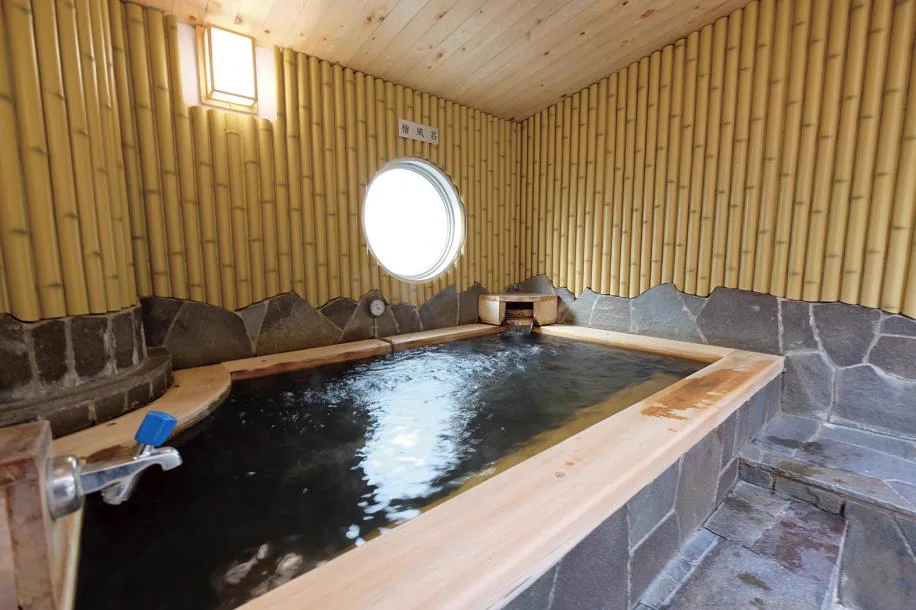
At Tsurunoyu, the ward specifically calls out its outdoor black-spring bath as a source-fed flow-through bath. The cold bath also uses the spring water. That is the clearest reason to choose it if you want to try the local water in more than one temperature setting.
Otomeyu’s appeal is variety. Its facilities include hot and milder pools, massage jets, bubble and electric baths, a half-open-air spring bath and a cold bath reserved for sauna users. Edogawa City recommends alternating between that cold bath and the half-open-air bath. Neither public listing gives a stable water-temperature figure for direct comparison; follow the posted pool signs rather than assuming a particular temperature.
The district guide lists both as natural black-water spring sento, and notes that the New River promenade is nearby. A walk along the water can extend the outing, but it is separate from the bathing visit. Edogawa’s current bathhouse map marks Akebonoyu as closed, so do not rely on older lists that include it.
Practical choice
Pick Tsurunoyu if your priority is the documented flow-through outdoor pool, an uncomplicated walk from the station, or a later finish. Pick Otomeyu when bath variety, sauna facilities or parking matter more. If sauna use is central, verify its add-on at the counter; the city notes that sauna is charged separately and the fee can include a rental bath towel depending on the bathhouse.
Bring a small towel or ask about rental; both listings indicate towel rental. For first-time visitors, the Tokyo sento first-visit guide explains the entry and washing routine. The Otomeyu facility guide and Tsurunoyu facility guide cover each bathhouse in more detail. For similar black-water bathing elsewhere in Tokyo, compare the Kamata black-water bathhouses and the Hasunuma bath guide. The Tokyo modern sento guide covers a newer public-bath format, while the large day-use bath guide distinguishes local sento from full-scale spas.
For a compact packing list, see what to bring to a sento. Travelers planning a longer rail-based soak can compare Kanto day trips from Tokyo, the Kanto onsen overview and Kanto onsen without a car. The Tokyo large-bath tattoo guide is useful if you need to compare a larger facility’s entry policy with neighborhood sento rules.
Sources
Checked 24 October 2026. Confirm holiday hours and sauna arrangements with the bathhouse before travelling. - [Edogawa City: Otomeyu](https://www.city.edogawa.tokyo.jp/e032/shigotosangyo/jigyosha_oen/sento/map/kasai/sento03.html) — hours, closure day, parking, access and facilities. - [Edogawa City: Tsurunoyu](https://www.city.edogawa.tokyo.jp/e032/shigotosangyo/jigyosha_oen/sento/map/kasai/sento01.html) — hours, closure day, parking, access and facilities. - [Edogawa City sento map](https://www.city.edogawa.tokyo.jp/shigotosangyo/jigyosha_oen/sento/map/index.html) — black spring, flow-through bath and sauna notes. - [Tokyo Sento Association: regulated admission fees](https://www.1010.or.jp/guide/%E5%85%A5%E6%B5%B4%E6%96%99%E9%87%91%E3%81%AE%E3%81%8A%E7%9F%A5%E3%82%89%E3%81%9B/) — revised adult rate effective 1 August 2026, child rates. - Currency equivalents are rounded estimates using 23 October 2026 reference rates of ¥1 ≈ HK$0.0500 / NT$0.2070: [JPY–HKD history](https://fx.initask.com/jpy-hkd) and [JPY–TWD history](https://waverate.app/rates/jpy-to-twd). - Images: [Edogawa City sento map](https://www.city.edogawa.tokyo.jp/library_images/sento.jpg), [Tokyo Sento Association fee notice](https://www.1010.or.jp/common/img/fc_tokyo.jpg), and [Otomeyu exterior](https://www.city.edogawa.tokyo.jp/images/2596/030otomeyu_mrkw2171.jpg).Last verified: 2026-10-24
