Tsubameyu in Okachimachi: An Early-Morning Tokyo Sento with a Cultural-Heritage Building
Tsubameyu opens at 6 a.m. on operating days, near Okachimachi Station. Its hot-water bath hall is in a registered historic building; there is no sauna.
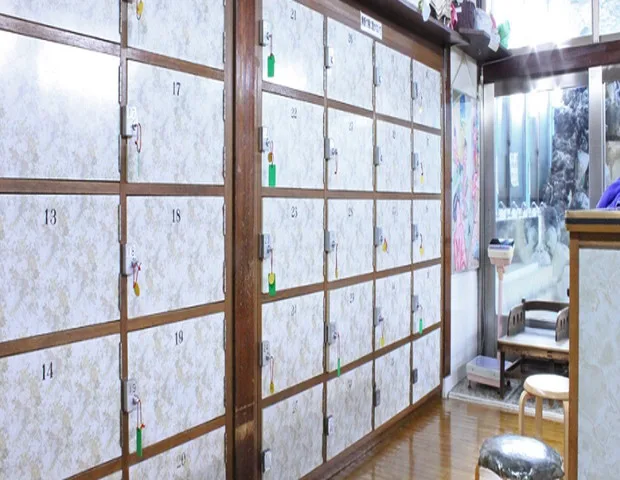
For an early start in Ueno or Okachimachi, Tsubameyu is one of the few traditional bathhouses that opens at 6 a.m. The visit is brief by design: hot water, the high-ceilinged bath hall and a building officially registered as a tangible cultural property. It is not a spa with a sauna, cold plunge or lounge, and the baths are notably hot.
A 6 a.m. bath, with a very hot-water caveat
| Detail | Current listing |
|---|---|
| Hours | 6 a.m.–8 p.m.; last reception 7:30 p.m. |
| Regular closure | Monday and Tuesday |
| Adult admission | ¥600 under Tokyo’s rate effective August 1, 2026 |
| Elementary-school child | ¥200 |
| Younger child | ¥100 |
The Taito City tourism page describes all of the baths as about 46°C. The exact temperature can shift during the day, but plan for a genuinely hot bath rather than a long, gentle soak. If you are new to hot-water bathing, take time to acclimatise and step out as soon as you feel unwell.
There is no sauna or cold plunge listed by the Tokyo Sento Association. Sunday brings a medicinal bath, but that does not make Tsubameyu a natural hot spring. It is best approached as a traditional public bath with a strong architectural story.
The building is part of the visit
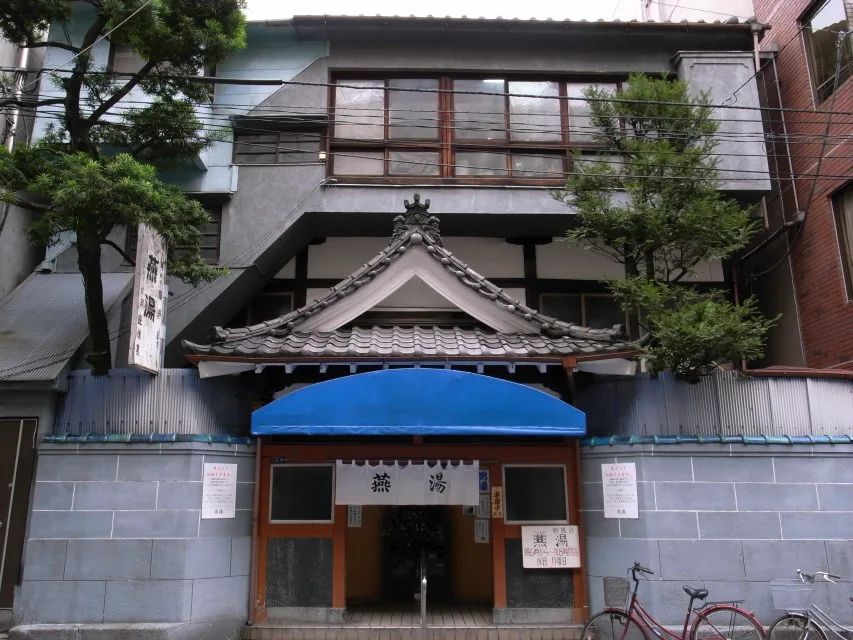
The Agency for Cultural Affairs records Tsubameyu as a registered tangible cultural property. The current bathhouse dates to 1950 and preserves the style of a traditional Tokyo sento, including its roofline and bathing-hall details. The distinctive rock feature inside the bath and the high-ceilinged room make the building worth noticing even if you are only staying for one soak.
JR Okachimachi Station is about a four-minute walk away. Ueno-hirokoji, Ueno-okachimachi and Yushima stations are also nearby. The location makes an early visit easy to fit before museums, markets or a day trip, but there is no large rest area for waiting out the morning after bathing.
If this is your first time at a Japanese public bath, our Tokyo sento first-visit guide covers the basics. Tsubameyu’s appeal is its early opening, very hot water and heritage architecture—not a long list of modern facilities.
Sources
- [Tokyo Sento Association: Tsubameyu hours, access and facilities](https://www.1010.or.jp/map/item/item-cnt-82) - [Tokyo Sento Association: 2026 weekday morning-bath guide](https://www.1010.or.jp/mag-topic-260812-1/) - [Taito City tourism: Tsubameyu](https://t-navi.city.taito.lg.jp/spot/1324) - [Tokyo Metropolitan Government: regulated public bath fares](https://www.shouhiseikatu.metro.tokyo.lg.jp/chousa/yokujyo/genjo.html) - [Agency for Cultural Affairs: Tsubameyu heritage record](https://kunishitei.bunka.go.jp/bsys/maindetails/101/00007018) - Image credits: [Tokyo Sento Association](https://www.1010.or.jp/mag-topic-260812-1/), [Nifty Onsen](https://onsen.nifty.com/ueno-tokyo-onsen/onsen001443/) Checked: 2026-09-27Tags: Tsubameyu, Okachimachi sento, Tokyo morning bath, cultural heritage, Ueno