Where to Stay in Beppu: Choose by Dinner, Your Next Stop and Time at the Inn
Stay by Beppu Station or Kitahama for dinner choice and an early train. Pick Kannawa for the Hells; choose Myoban, Kankaiji or Horita to spend time at the inn.
Checked: September 27, 2026
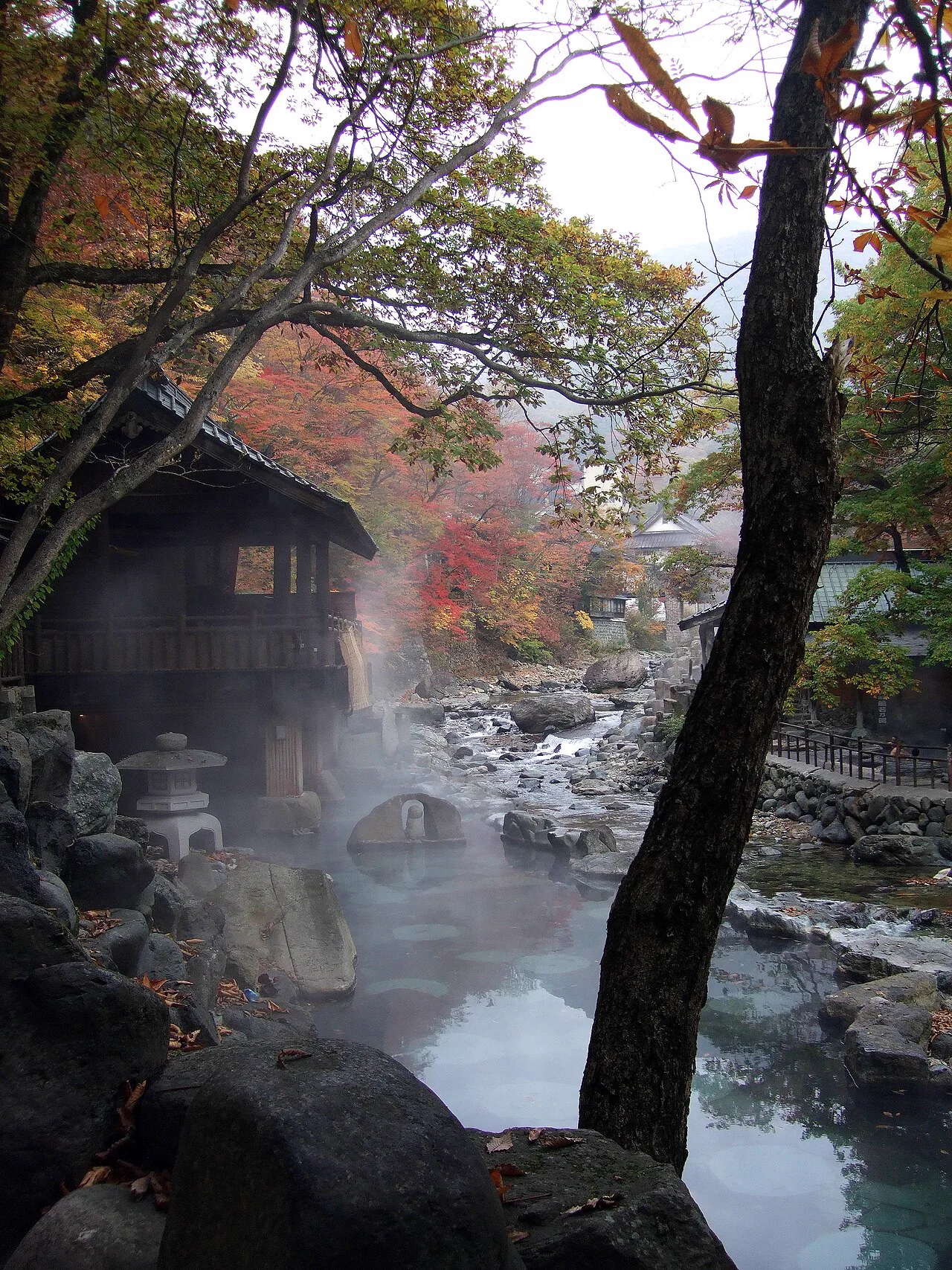
For a one-night visit with an early train and dinner plans you want to keep open, stay near Beppu Station or Kitahama. Choose Kannawa when the Hells, steam-filled lanes and hot-spring district are the point of the trip. Myoban, Kankaiji and Horita make more sense when you expect to spend the afternoon, evening and morning at the property itself.
Beppu is not one compact hot-spring street. Its eight onsen areas—Beppu, Hamawaki, Kankaiji, Horita, Myoban, Kannawa, Shibaseki and Kamegawa—sit in different parts of the city. A hotel can look close on a map and still add a bus ride or steep final walk to each trip.
Start with dinner and the evening
If you want to choose a restaurant after arrival, central Beppu and Kitahama give you the most flexibility. You can leave your bags, find dinner around the station or waterfront, and decide later whether to visit a city bath such as Takegawara, Kaimonji or Furoisen. This works especially well for a short stay when you do not want your evening fixed to one hotel meal time.
Kannawa suits a different pace. Spend the day around the Hells and steam-cooking district, then return to your accommodation rather than riding back downtown just to find the same kind of atmosphere. It is not a guarantee that every restaurant stays open late; check dinner availability and the hotel’s meal plan before booking.
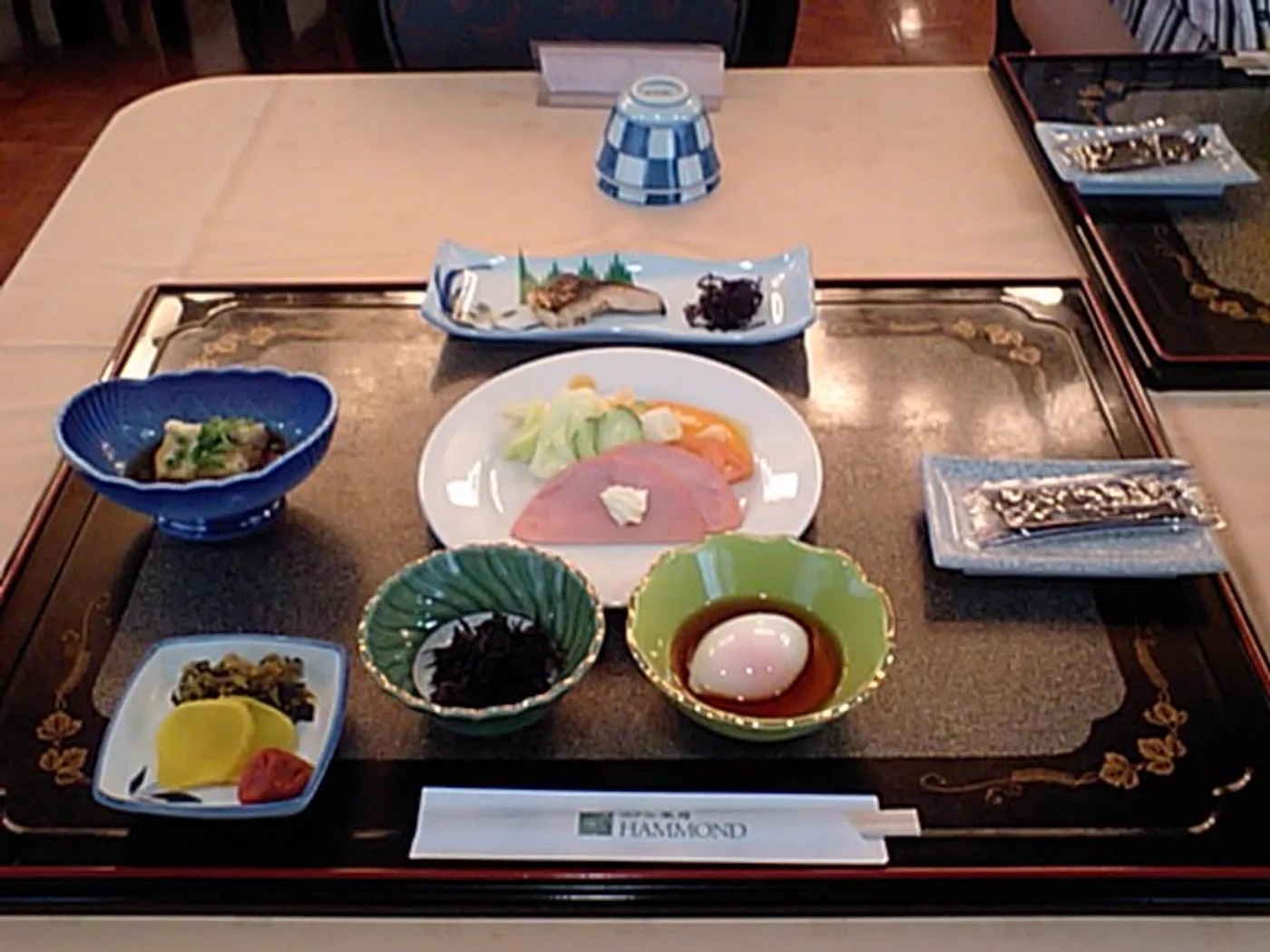
For Myoban, Kankaiji and Horita, check dinner first. Many destination-style stays are easiest when you arrive early and make the bath, view and meal part of the evening. If you leave the hotel to find dinner in the city every night, the hillside location may add transport without adding much value.
Let your checkout destination decide the base
Leaving by JR the next morning: Beppu Station or Kitahama avoids bringing luggage downhill or back through Kannawa. If your train time is fixed, reduce transfers before comparing views or room amenities.
Continuing to the Hells, Kannawa or Shibaseki: Staying in Kannawa puts you near the next day’s sights. You can keep the morning route in the same district rather than returning to the station and riding back up.
Heading to Myoban or another hillside bath: Kannawa or a hillside stay can avoid a city-to-mountain return trip. Check the actual bus stop, shuttle arrangement and luggage handling; straight-line distance does not describe the last stretch.
Going north toward Hiji or Kitsuki: Kamegawa has its own JR station and can be a more direct base if your activities are already on the northern side. It is unnecessary if your evening is focused on Beppu Station, Kitahama and Takegawara.
How much of the property will you actually use?
If you will be out from breakfast until late evening, then check out after breakfast, a large public bath, a long dinner and a scenic lounge may go mostly unused. A simple hotel near the transport you need is often the more practical choice.
That changes if you plan to check in around mid-afternoon, bathe before dinner, eat at the inn, soak again and use the bath the next morning. For that schedule, a hillside resort is not “far away” in the same way: you are not planning to leave it. Look closely at shuttle hours, dinner start times and morning bath access, because those are part of what you are booking.
| Your likely time at the hotel | What to prioritize |
|---|---|
| Mostly sleep and leave | Station or bus-stop access |
| Dinner and one soak | Compare meal location, bath hours and next-day route |
| Afternoon rest, dinner, night bath and morning bath | A destination property can earn its distance |
| Early starts and late returns every day | Avoid paying for facilities and views you will not use |
Four lodging zones, four different jobs
Beppu Station and Kitahama: the transport base
Keep this area on your shortlist if you have one night, lots of luggage, an early JR departure, or want to decide dinner at the last minute. It is also the simplest base for moving between the city and bus routes to Kannawa or Myoban. Compare specific properties in the Beppu Station onsen hotel guide or the no-car onsen stay comparison.
Kannawa: the hot-spring district base
Stay here when the Beppu Hells and steam-cooking lanes are central to your plans, or you want to wake up in the hot-spring district. It is less convenient for an early train, but saves you a return bus ride after a full day nearby. The area’s main walking routes include slopes, so think about luggage and mobility rather than assuming the bus stop is right outside every inn.
Myoban: a hillside stay with its own onsen character
Myoban is a stronger fit if the hillside setting and bathing are part of the trip, not a short detour between city stops. It can be reached by bus, but check the route and evening return options before choosing a property without a car. Our Myoban guide for travelers without a car covers the transport side.
Kankaiji and Horita: book for the property, not a quick city base
These hillside areas suit a stay where you expect to use the hotel’s bath, meal and views. Before booking, verify whether the property has a shuttle, which stop it serves, and when the final return runs. If the hotel is mainly a place to sleep, the hillside transfer may outweigh the amenities.
Match the room to the people travelling
For a solo traveler or first visit, the station and Kitahama reduce the cost of getting plans wrong. Couples looking for a private bath do not have to book a hillside ryokan automatically; first check whether a city hotel offers a shared private bath or whether a day-use private bath fits the route. Families with luggage should compare elevators, room capacity, shuttle timing and the walk from the bus stop. Drivers gain more options in Myoban or Kankaiji, but dinner, parking and the following morning’s route still matter.
Bath chemistry also varies by district and by facility. Kannawa and Shibaseki offer different bathing experiences; Myoban is associated with sulfur springs, while hotel baths in Kankaiji or Horita depend on the property’s own source and supply method. Use the individual hotel or bath page for spring details instead of assuming a whole neighborhood has one uniform water type.
In short: choose the station or Kitahama for dinner freedom and transport; Kannawa for a Hell-tour-centered visit; and Myoban, Kankaiji or Horita when you have time to use the property. If your shortlist still has several hotels, write down where you will eat, your first stop after checkout, what time you expect to return and how often you will move your luggage. Those answers usually narrow the area before room photos do.
Sources
City, transport and area references
- [Beppu City: hot-spring facilities and areas](https://www.city.beppu.oita.jp/) - [Beppu official visitor information](https://beppu-tourism.com/) - [Beppu City bus operator: Kamenoi Bus](https://kamenoibus.com/) - [Visit Oita: Beppu onsen areas and access](https://oita-tourism.com/en/onsenStories/onsen-efficacy) - [Visit Oita: Beppu sightseeing and luggage service](https://oita-tourism.com/en/itineraries/detail_22.html) - [Beppu Station bus photo](https://beppu-tourism.com/wp-content/themes/beppu-tourism-com/img/header/cha2.png) - [Kannawa steam photo](https://beppu-tourism.com/wp-content/themes/beppu-tourism-com/img/header/cha1.png)Tags: where to stay in Beppu, Beppu accommodation areas, Kannawa, Myoban, Beppu Station, Beppu Kitahama, Kamegawa