Kobo-no-yu at Bird Humming Torigoe: Hours, Cost and Access
Plan a visit to Kobo-no-yu in Hakusan with current admission, Wednesday closing, sauna details and the practical limits of getting there by community bus.
Kobo-no-yu is a straightforward local bath in Hakusan’s foothills: adult entry is ¥400 (about HK$20 / NT$82), and the bathing area has a sauna and cold-water bath. It fits most naturally into a drive through Torigoe or a wider Tedori Gorge outing. The community bus serves this rural district, but its limited timetable and weekday-focused service make a spontaneous bath run awkward.
What the ¥400 entry covers
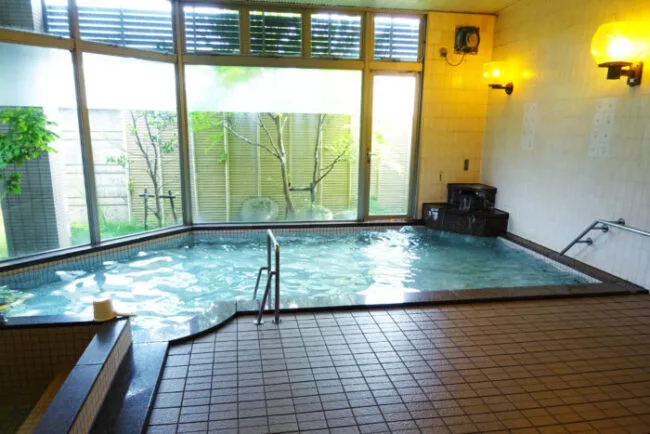
The bathing area has a large public bath, sauna and cold bath. Shampoo, conditioner and body wash are listed as provided; the operator does not list an outdoor bath. The spring is classified as calcium-sodium sulfate. That chemistry is useful context, but it does not establish the temperature of each tub or whether all pools are supplied in the same way.
| Admission | Published price | Approximate conversion |
|---|---|---|
| Adult | ¥400 | HK$20 / NT$82 |
| Child | ¥100 | HK$5 / NT$21 |
| Young child | ¥50 | HK$2 / NT$10 |
Towel rental and add-on prices are not clearly listed on the facility’s current page. Bring your own towel rather than counting on a shop for essentials. There is also a restaurant, but its schedule is separate from the bath; the tourism listing gives lunch service as noon–3 p.m. If eating on site is part of the plan, check that the kitchen will be open on your date.
A noon opening shapes the day
Kobo-no-yu opens noon–9 p.m. and closes every Wednesday. If Wednesday is a public holiday, the city lists the following day as the closure. Confirm last admission before a late visit. Since the bath does not open in the morning, an early departure from Kanazawa needs another first stop before lunch.
Bird Humming Torigoe is a recreation ground as well as a bathhouse. Hakusan City lists a restaurant, tennis courts and a barbecue area, with activity and seasonal availability varying by facility. These give a car trip more purpose than a quick soak alone. The operator estimates about 40 minutes by car from central Kanazawa and about 20 minutes from Komatsu; traffic and weather may add time.
The bus requires a real return plan
Hakusan City’s Meguuru community buses generally run Monday through Saturday, with no Sunday or public-holiday service. Some foothill runs are demand-responsive and must be booked by 5 p.m. the day before. The timetable is built around local travel and leaves long gaps between some runs. A missed connection can strand a visitor with little to do nearby.
Ueno is the nearest listed stop, about a five-to-seven-minute walk from the facility depending on the exact stop and entrance. The last approach is outdoors, which matters in rain or winter weather. A visitor using public transport should check the route table for a bus arriving after the noon opening and a return bus that leaves enough time to walk back. Meguuru costs ¥100 per ride (about HK$5 / NT$21); transfers require another fare.
Without a workable return departure, I would not make Kobo-no-yu a standalone no-car excursion. A taxi can bridge the gap from Tsurugi Station, but confirm availability and fare with a local operator rather than expecting one to wait at the station. If this becomes too much coordination, use the Hakusan citizen-bath comparison to choose another local bath.
A practical visit sequence
With a car, arrive around lunch, check the restaurant schedule, visit the bath in the afternoon and leave time for the gorge or a village stop before the return drive. Do not use the 9 p.m. closing time as a reason to rush a mountain road after dark; check road notices and the forecast before leaving. In winter, daylight and road conditions matter more than the final bathing hour.
For a broader Hokuriku route, the Kaga Onsen access guide explains the rail and airport approaches; the Kaga Onsen area overview and Yamashiro vs Yamanaka comparison help with a longer stay. On the Noto Peninsula, compare Wakura’s public bath, Wakura’s current access status, a Wakura day trip or overnight and the Wakura one-night itinerary. Farther south, the Awara rail day trip gives a lower-friction alternative.
Kobo-no-yu suits drivers adding an inexpensive soak to a foothills day. On a bus-based plan, confirm both the outbound and return legs before leaving; a stop on the map does not make the connection dependable.
Sources
- Hakusan City: [Bird Humming Torigoe listing](https://www.city.hakusan.lg.jp/machi/chisanchisyo/1004942/1005082/1005083.html), checked 2026-10-30 - Hakusan City: [Meguuru service rules, updated timetable and reservation details](https://www.city.hakusan.lg.jp/machi/kotsu/1007749/index.html), checked 2026-10-30; [Yamanroku timetable effective March 16, 2026](https://www.city.hakusan.lg.jp/_res/projects/default_project/_page_/001/018/345/2026_jikokuhakusanroku2.pdf) - Hakusan municipal baths: [Kobo-no-yu admission, facilities and spring type](https://hakusan-spa2.com/?page_id=18), checked 2026-10-30 - Hakusan City: [municipal bath list and Wednesday closure rule](https://www.city.hakusan.lg.jp/kenkofukushi/kenkoother/1002052.html), checked 2026-10-30 - Traveler references: [Hakusan tourism listing](https://www.urara-hakusanbito.com/spot/detail_1169.html); [Jalan visitor comments](https://www.jalan.net/kankou/spt_17347ca3370050484/kuchikomi/) - Currency estimates use 2026-10-28 indicative rates of ¥1 ≈ HK$0.0497 and NT$0.2053; [HKD history](https://www.mtfxgroup.com/tools/historical-currency-exchange-rates/jpy-to-hkd/) and [TWD history](https://www.currency-converter.org.uk/currency-rates/historical/table/JPY-TWD.html).Checked: 2026-10-30
