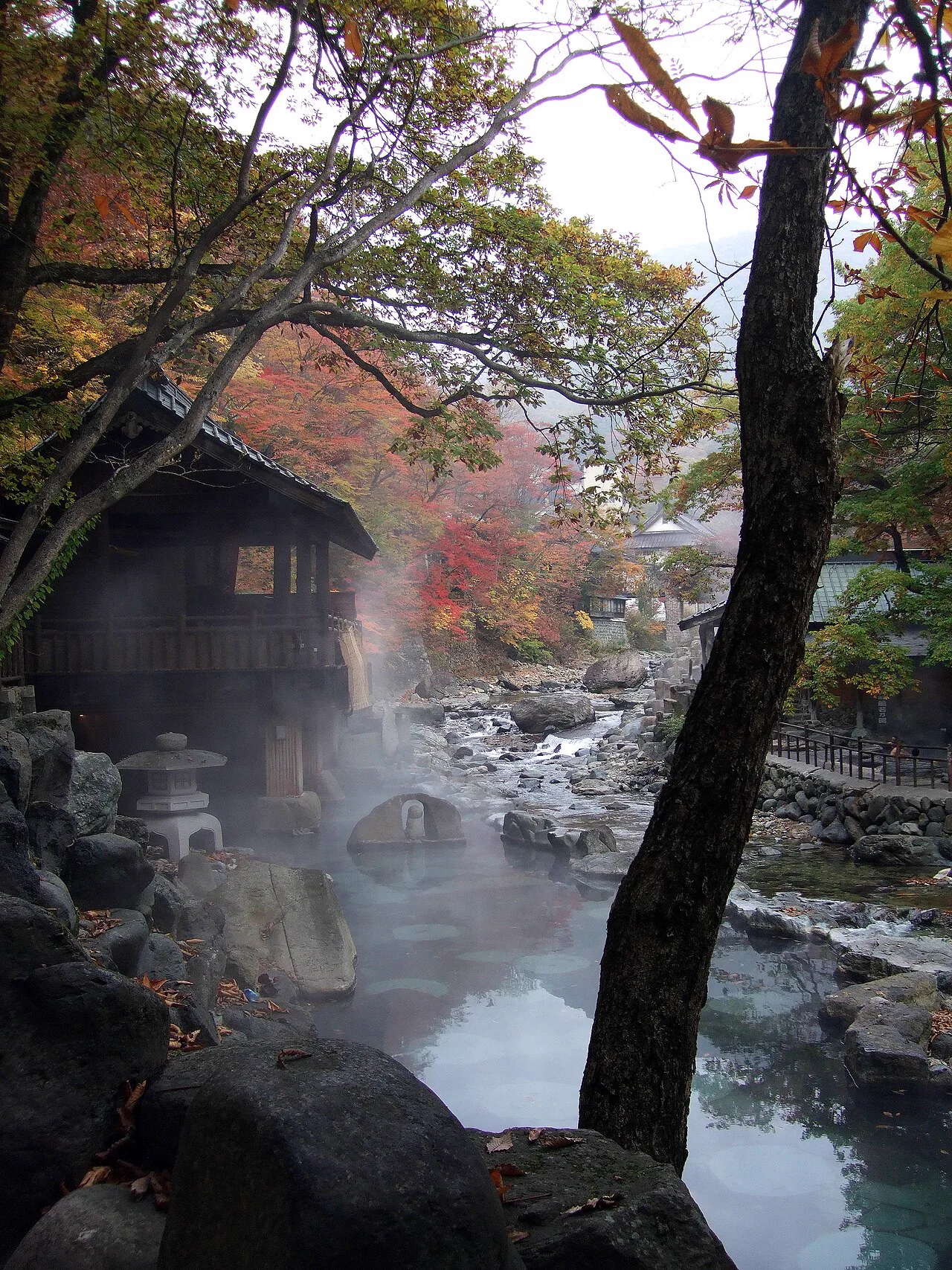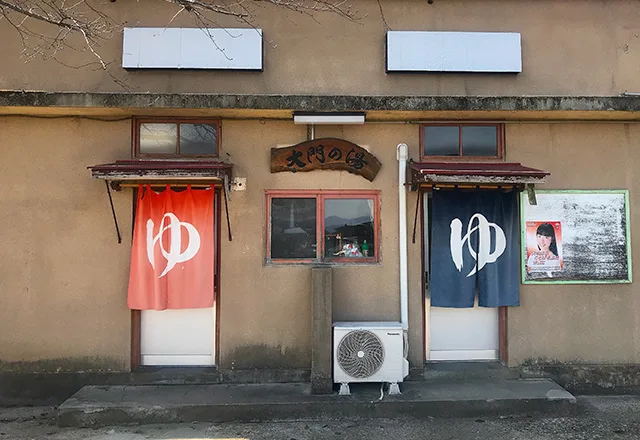
Fukushima’s Three Onsen: Iizaka, Tsuchiyu or Takayu?
Compare Iizaka, Tsuchiyu and Takayu for transport, day-bath costs, spring character and current closures from Fukushima City.
Checked: September 27, 2026 For a first visit or a lower-cost day out, Iizaka is the easiest pick: the local train runs straight from Fukushima Station, and the public baths are close to the stop. Tsuchiyu is better for a slower half-day, with a compact valley town, several day-use options and private baths. Takayu has the clearest case if you came for cloudy, sulfur-scented water, but its cheapest public bath is closed for renovation until around mid-February 2027.
All three hot-spring areas fan out from Fukushima City, but they do not form a convenient loop. Think of Fukushima Station as your base and choose one area for the day.
| Area | How to get there from Fukushima Station | Basic day-use option | Best fit |
|---|---|---|---|
| Iizaka | Iizaka Line, about 23 minutes; ¥430 each way | Public baths from ¥400 | First visit, frequent transport, an easy town walk |
| Tsuchiyu | Bus from the east exit, about 40–45 minutes; ¥950 each way | Nakanoyu, ¥500 | A half-day with a bath, private-room option and a compact town |
| Takayu | Bus from the west exit, about 36–40 minutes; ¥920 each way | A private inn’s day-use plan; Aattaka-yu is temporarily closed | Sulfur water, mountain scenery and a quieter stay |
These are basic adult admission and transport costs, not a complete day’s budget. Towels, meals, private-bath fees and any inn-specific conditions can change the total.
Iizaka is the practical default
The Iizaka Line leaves from Fukushima Station and reaches Iizaka Onsen in about 23 minutes. An adult one-way ticket is ¥430. The station is close to several of the public baths: Hakoyu is beside it, and Sabakoyu is about a five-minute walk away. That makes Iizaka the least demanding choice if you want a soak without coordinating a bus around a limited return schedule.
The public baths give the area a different feel from a single large day spa. Sabakoyu is the best-known historic bath, while Hakuyu has separate hotter and cooler pools. Water can run very hot here; if that is not your thing, look for a bath with a cooler option instead of assuming every public bath feels the same. Soap and shampoo are not generally provided, so bring your own.
The lowest simple outing comes to about ¥1,260: two ¥430 train rides and ¥400 entry to a public bath. If you plan to visit three baths, the 2026 ¥1,000 Yumeguri Tegata may save money. It covers one bath from each of three groups, not any three baths you choose. For the bath-by-bath details, see the Iizaka public bath guide.
Iizaka also works well if you want to walk around after bathing. The public baths, old Horikiri House, footbaths and food stops are spread through a town centre that is manageable on foot. You can keep the visit short or add a meal and another bath without needing a car.
Tsuchiyu makes a better unhurried half-day
Buses to Tsuchiyu Onsen leave from the east exit of Fukushima Station. The ride takes around 40–45 minutes and currently costs ¥950 each way. Nakanoyu, the public bath near the bus terminal, is about a two-minute walk from the stop. Admission is ¥500 and covers its indoor baths and outdoor bath.
The useful difference here is choice within a small area. Nakanoyu has two types of spring water, and four private rooms can be rented separately for 50-minute sessions. The private-room fee is ¥1,500 per group, on top of each bather’s admission. Two people taking a private bath therefore pay roughly ¥6,300 for round-trip bus fare, admission and the room—not ¥1,500 total. Check booking conditions before travelling if the private bath is the main reason for your visit.
Other day-use options include YUMORI, Otomeyuri and Sansuiso, each with its own admission and bathing arrangements. The town is a good match for people who want to add a short riverside walk, a footbath or a café stop. For a direct comparison of facilities and current prices, use the Tsuchiyu day-use guide.
At the basic level, a solo visit to Nakanoyu and the bus costs about ¥2,400 return. Tsuchiyu costs more than Iizaka and has fewer transport departures, but the ride takes you to a compact mountain town with more of a half-day feel.
Takayu has the strongest sulfur-water identity—and the least flexibility
Takayu is uphill from Fukushima City, with cloudy, acidic sulfur water. Several inns offer day-use bathing. Aattaka-yu, normally the public bath’s lower-cost option, is closed for renovations; the expected reopening date is not confirmed. Older listings may still show its former admission price.
| Takayu detail | Published information |
|---|---|
| Aattaka-yu closure | Closed August 17, 2026 for renovations |
| Estimated reopening | Around mid-February 2027; unconfirmed |
| Historical Aattaka-yu admission | ¥500 |
| Bus from Fukushima Station west exit | About 36–40 minutes; adult fare ¥920 each way |
Service is sparse compared with the Iizaka Line. Check both directions before choosing an inn.
As a rough weekday example, a ¥1,100 inn day-use plan plus two ¥920 bus rides comes to about ¥2,940 before towels or food. Some inns have a station shuttle under specific conditions, but those arrangements are not interchangeable; confirm directly with the property.
Takayu is the right choice when the spring itself matters more than browsing shops or keeping the day inexpensive. The area is quieter and more rural than Iizaka, and visitors usually come for a particular inn or the sulfur bath. For currently available facilities and access notes, check the Takayu day-use guide before setting off.
A quick choice by travel style
- Low-cost first visit: Iizaka is easiest to time because trains run frequently and you can choose your bath after arriving.
- Private bathing or a half-day stop: Tsuchiyu has Nakanoyu’s priced private room and several other baths in the same area.
- Sulfur water and a mountain setting: Takayu fits; check which inns are open and how to get back.
- Travelling with an older adult or limited mobility: Do not compare only the ride time. Iizaka avoids a mountain bus and has frequent rail service; Nakanoyu is close to the Tsuchiyu bus stop. Takayu’s accessible public bath is the one temporarily closed, so confirm the facilities at any inn you plan to use.
- Winter visit: Iizaka generally asks the least of your transport planning. For Tsuchiyu or Takayu, check weather and bus service on the day; Takayu’s uphill location and limited departures make a missed connection harder to recover from.
Why squeezing all three into one day rarely works
The transport runs in different directions from Fukushima Station: Iizaka by train, Tsuchiyu from the east-exit bus terminal and Takayu from the west-exit terminal. There is no simple public-transport loop connecting the three hot-spring towns. Trying to collect all three means returning to the city hub to change direction, then working around bus times.
If you have only one day, pair Iizaka with time in Fukushima City, or give Tsuchiyu its own half-day. Takayu is better treated as a separate outing because the return timetable and the current Aattaka-yu closure both narrow your options. The three areas are worth comparing, but they reward different kinds of day.