Saya-no-Yudokoro in Itabashi: A Tokyo Spring Bath Worth Giving Two Hours
Saya-no-Yudokoro: Itabashi's source bath, garden and sauna; check its rules now.
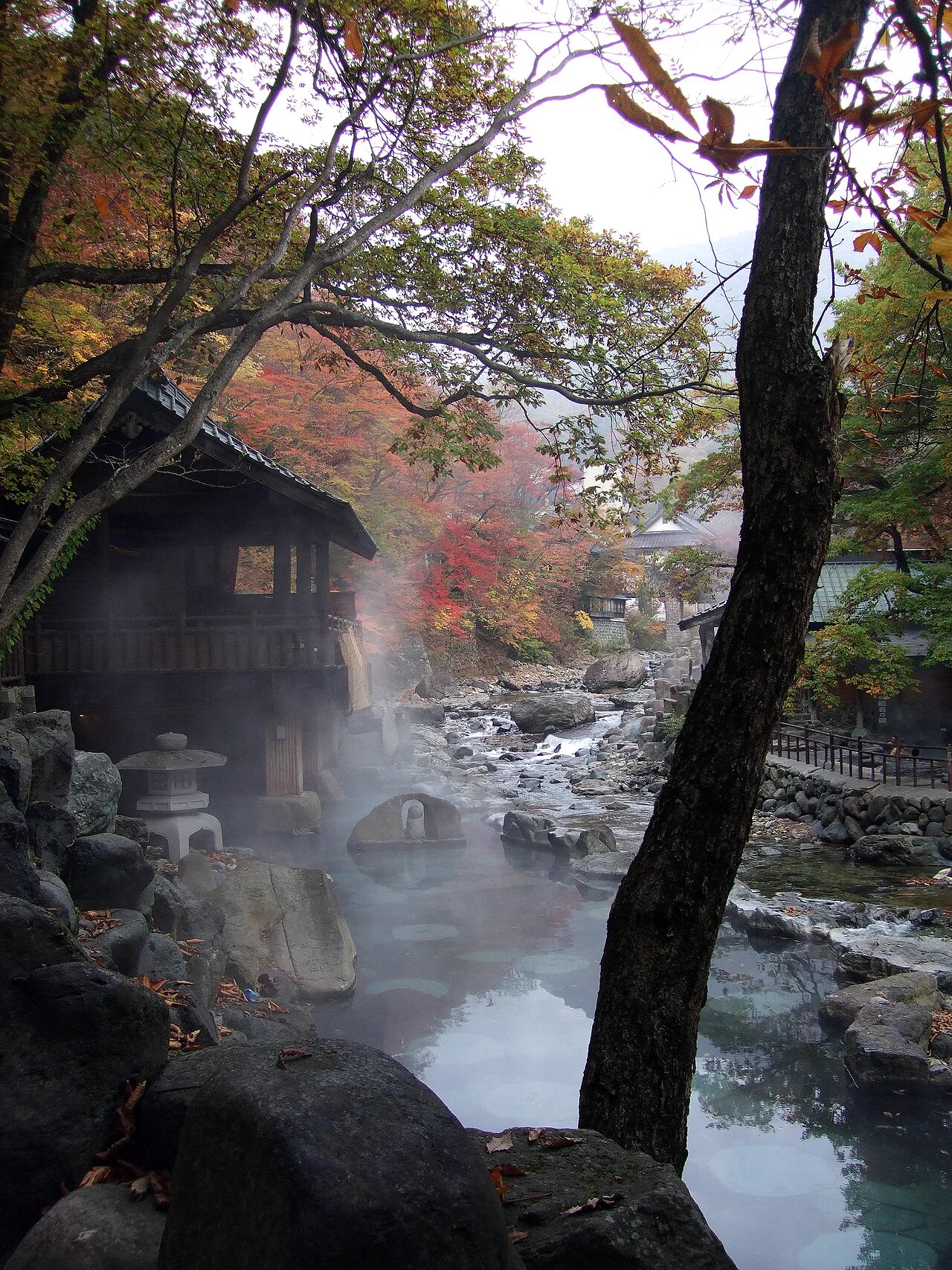
Leave room in the day for Saya-no-Yudokoro. The walk from Shimura-sakaue takes roughly eight minutes, and the garden makes a useful pause between bathing rounds. A standard entry ticket covers the main pools and dry sauna; the separate bedrock area is for guests planning a longer stay.
The source bath is different from the other outdoor pools
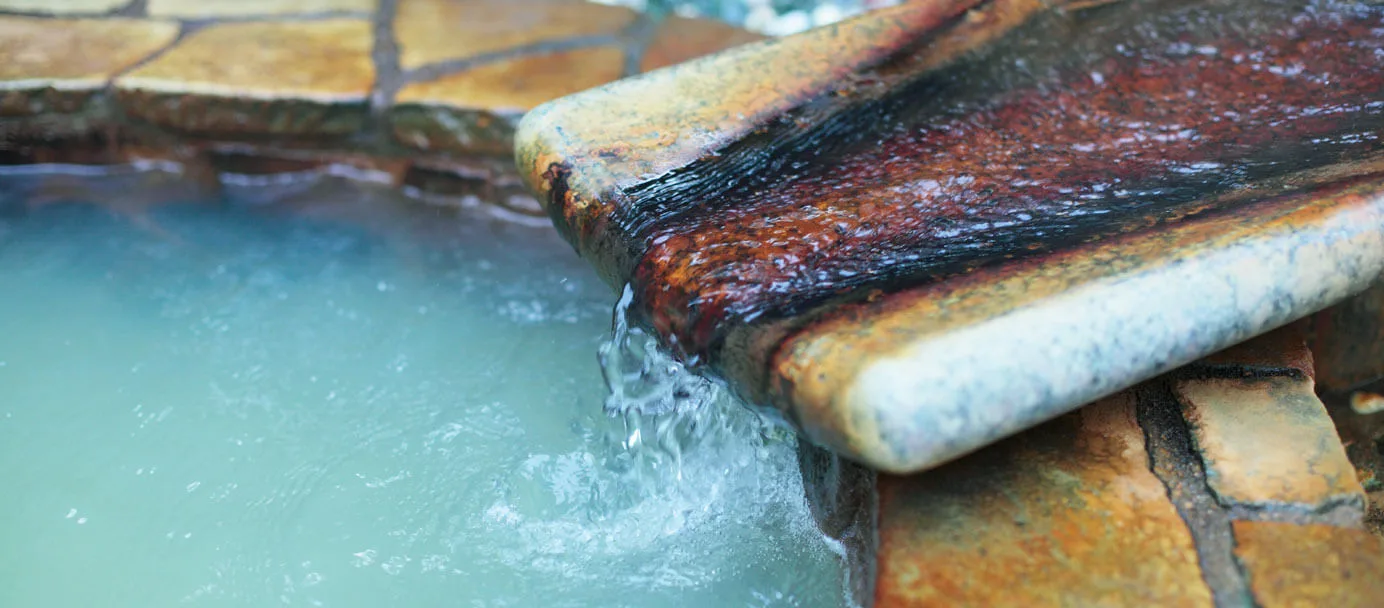
Look for the Gensen-buro if you want to bathe in the source water. Saya-no-Yudokoro identifies it as the Itabashi Maeno spring: a high-salinity sodium-chloride spring emerging at 32.7°C, with a listed flow of 27 litres per minute. The operator says this particular pool is heated but not diluted, disinfected or recirculated.
The other outdoor spring pools are treated differently: they are diluted, filtered and disinfected with chlorine-based chemicals. Indoors, softened well water feeds the carbonated tub, jets, reclining baths and cold plunge. That distinction is easy to miss if you assume every pool uses the spring in the same way.
The source-fed pool is the one to linger in for the spring itself; the remaining baths provide temperature and massage options rather than untreated source water.
What the ordinary ticket includes
| Guest / date | Admission |
|---|---|
| Adult, weekday | ¥970 |
| Adult, weekend / public holiday | ¥1,300 |
| Child, weekday | ¥600 |
| Child, weekend / public holiday | ¥900 |
On designated busy days, the weekend tariff may apply even when the calendar says weekday. Current hours are 9 a.m. to midnight, with entry ending at 11 p.m.; the operator warns that maintenance can affect opening.
From November 4, 2026, weekday admission after 6 p.m. is ¥1,000. The weekday rate in the table applies before that change.
Shampoo, conditioner and body wash are supplied. A towel set is ¥380 if you arrive empty-handed. Guests aged 13 and over can add the bedrock sauna for ¥760; indoor wear and a special towel are included. You can use all the main baths without buying this extra pass.
Only the women’s side currently lists the herbal salt-steam sauna. The operator says the former men’s steam equipment has been discontinued, so do not plan around matching sauna menus on both sides.
Private bath “Akari” is not a mixed-bathing shortcut
Akari is a reservable semi-open-air bath in the garden, priced at ¥2,100 for one hour. A credit card is required to make the booking. Private use does not change Itabashi’s opposite-sex bathing limit: from age seven, guests of different sexes cannot share a bath, including relatives. The venue names Akari as an exception for guests who still use diapers; confirm suitability directly before reserving.
Entry conditions to know before you travel
The tattoo allowance is limited to two venue-issued cover stickers, each 11 × 20 cm and ¥310. They must hide the tattoo completely; personal covers do not qualify. Contact the facility if you are unsure whether yours can be covered.
Guests in diapers or training pants cannot enter the public changing room or baths; Akari is the stated exception. Children below elementary-school age need an accompanying adult, while sauna and bedrock-area access starts at age 13. Wheelchairs and canes are not allowed in the bathing zone, so arrange assistance with the changing-room-to-bath transfer if needed.
Getting there and choosing how long to stay
Exit A2 at Shimura-sakaue on the Toei Mita Line is the simplest rail approach; allow about eight minutes on foot. There is no shuttle. Akabane or Tokiwadai buses on route Aka 53 stop near Maenocho 4-chome, around a minute from the entrance. Drivers have 74 spaces: free on weekdays, or the first five hours free on weekends and holidays, then ¥100 per hour. Busy dates can fill the lot.
For a wash, the Gensen-buro and another pool, allow about 90 minutes. Two and a half to three hours gives space for a meal or garden break as well. Add the bedrock zone only if that longer rhythm suits you.
For nearby alternatives, compare the Tokyo Dome City overnight spa, Thermae-Yu in Shinjuku, Somei Onsen SAKURA, Takaosan Gokurakuyu and the Ariake waterfront spa. The Tokyo day-onsen comparison weighs full-service facilities; use the tattoo rules guide before choosing, and see first-visit sento etiquette if you are adding a neighbourhood bath.