Hoshi Onsen Chojukan Day Visit: Baths, Hours and the Real Trade-offs
Hoshi Onsen day trip: fees, two baths, mixed bathing, entry time and bus limits.
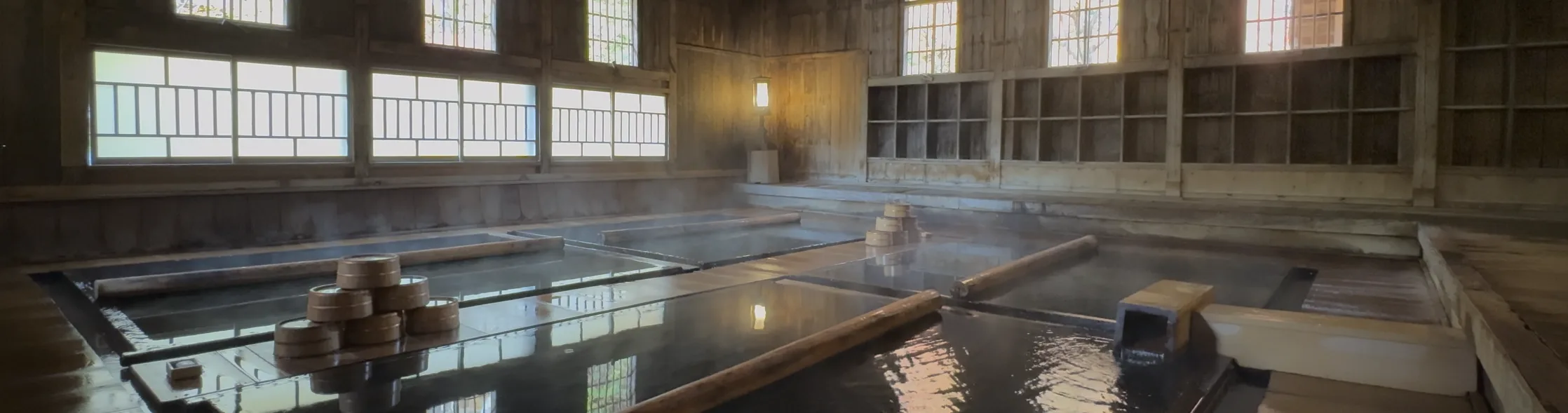
Hoshi Onsen Chojukan is a destination for a particular kind of bath: Hoshi-no-yu, where spring water wells up through the stone floor beneath a timber bathhouse. A day visit can be rewarding if that is what you came for. Plan around two fixed cutoffs—reception stops at 1:30 p.m. and bathing ends at 2 p.m. The signature pool is shared by men and women; swimwear and towel wraps are not allowed.
Confirm that day visitors are being accepted before travelling. Wednesday is the regular cleaning day, and the inn also lists irregular closures.
What the day ticket actually includes
Day visitors may use two baths. Hoshi-no-yu is the mixed bath, known for its old timber structure and natural floor-level spring flow. Choju-no-yu is reserved for women and also has a floor-fed source. Chojukan describes both as rare floor-source baths; in winter, Choju-no-yu is heated. The inn does not publish a fixed temperature for each bathing pool, so the source temperature should not be mistaken for a promise about the water you will feel.
Hoshi-no-yu has four bathing areas with different temperatures, but the bathing arrangement is the deciding factor for many visitors. The inn does not permit bathing clothes or a towel wrapped around the body in this mixed bath. Women can choose the women-only Choju-no-yu; male day visitors have no separate men-only bath. If you would not be comfortable bathing under those rules, a day ticket may offer too little choice to justify the journey.
Ordinary day tickets exclude Tamaki-no-yu, which belongs to the overnight bath rotation. A room reservation changes which facilities are available and when; it does not create unrestricted access at every hour. See the day-trip versus overnight comparison before booking around a particular bath.
Make the short opening window work
| Day-use detail | Current information |
|---|---|
| Reception | 11:00 a.m.–1:30 p.m. |
| Bathing ends | 2:00 p.m. |
| Adult admission | ¥1,500 (about HK$75 / NT$306) |
| Child admission | ¥500 (about HK$25 / NT$102), ages 3 through elementary school |
| Included baths | Hoshi-no-yu and women-only Choju-no-yu |
Arriving before the last-entry cutoff is essential, but it is not a guarantee of admission: Chojukan says it may stop accepting visitors when capacity is reached. Call ahead to check the day's operation, especially if you are crossing the mountains for a short visit. Tattoos are not clearly addressed in the current day-use notice; if that applies to you, ask the inn directly rather than assuming either permission or a ban.
There is also a bath-and-lunch option, but its current menu and terms need confirmation. Chojukan published an October 2026 correction explaining that parts of its website still showed outdated meal prices and a package structure that had changed. Food service ends at 12:30 p.m.; plan an early arrival if you want to eat as well as bathe.
The setting is part of the visit, but access is not casual
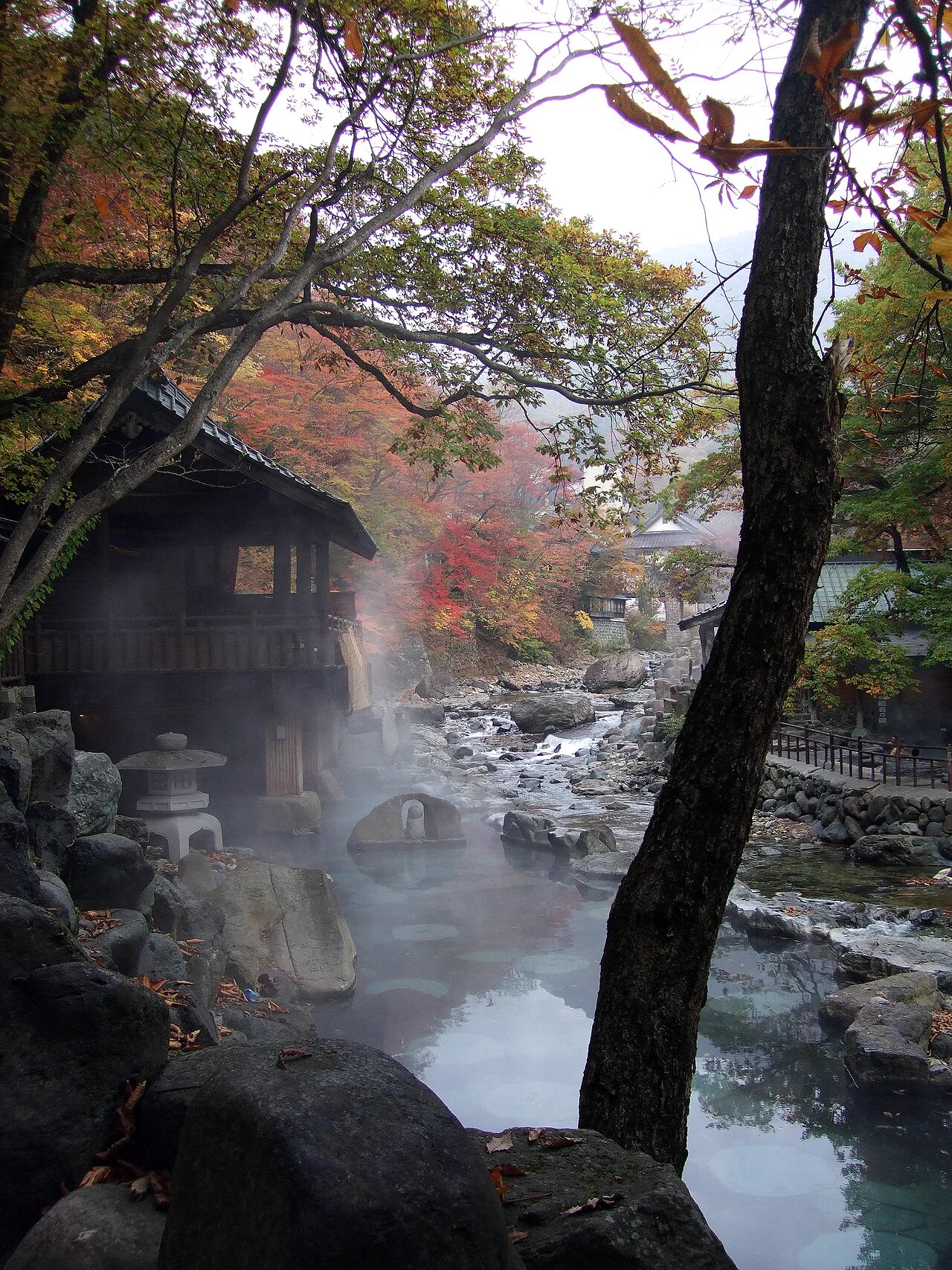
The inn sits in a mountain valley in Minakami. Three of its structures—the Main Building, the Hoshi-no-yu bathhouse and the Annex—are registered Tangible Cultural Properties. Arched windows and heavy timber frame the bath; the architecture is part of what makes the detour distinctive.
Public transport requires a transfer at Sarugakyo to the town-operated Hoshi Line, which runs only a few times a day. For the current seasonal connections, cash requirement and return timing, use the no-car day-trip route guide. A late connection can leave too little time for bathing or a long wait on the return. If you want a broader Minakami shortlist, compare the Minakami day-onsen guide and the Gunma onsen overview before committing to this remote stop.
Chojukan recommends winter tires from December through March; the access road can receive substantial snow. A winter drive needs current road and weather checks. For nearby alternatives, the Sarugakyo day-onsen guide and Sarugakyo no-car half-day route cover options with different transport demands. The Sarugakyo and Hoshi comparison helps decide whether the historic bath is worth the extra effort, while Kawafuru versus Hoshi is useful if you are weighing another mountain-side option.
Who should make the detour?
The day visit makes sense when Hoshi-no-yu is your main reason to come, its shared-bath rules work for you, and the journey leaves a comfortable arrival buffer. Travelers who need a private or men-only option should choose another facility. A night at the inn suits anyone hoping to use all three baths on their rotation or spend time with the historic buildings. Room and meal plans set the lodging rate; check the amount for your dates with Chojukan.
For additional nearby planning, see the Choseikan day-bathing guide and Sarugakyo's day-trip overview.
Sources
- Hoshi Onsen Chojukan, [day-use bathing and current fee](https://hoshi-onsen.com/), [bath information](https://hoshi-onsen.com/onsen/), [access and winter guidance](https://hoshi-onsen.com/access/index.html), and [October 2026 correction notice](https://hoshi-onsen.com/%E3%80%90%E3%81%8A%E8%A9%AB%E3%81%B3%E3%81%A8%E8%A8%82%E6%AD%A3%E3%80%91%E5%BD%93%E9%A4%A8%E5%85%AC%E5%BC%8F%E3%83%9A%E3%83%BC%E3%82%B8%E5%86%85%E3%81%AB%E3%81%82%E3%82%8B%E7%8E%89%E5%9F%8E%E4%B9%83%E6%B9%AF%E3%81%AE%E3%81%8A%E9%A2%A8%E5%91%82%E6%99%82%E9%96%93%E5%89%B2%E8%A1%A8%E7%A4%BA%E3%81%AE%E8%AA%A4%E3%82%8A%E3%80%81%E3%81%AA%E3%82%89%E3%81%B3%E3%81%AB%E3%80%81%E6%98%BC%E9%A3%9F%E4%BC%91%E6%86%A9%E3%81%AE%E3%83%A1%E3%83%8B%E3%83%A5%E3%83%BC%E3%83%BB%E6%96%99%E9%87%91%E3%81%AE%E5%A4%89%E6%9B%B4%E3%81%AB%E3%81%A4%E3%81%84%E3%81%A6/). - Minakami Tourism Association, [bus timetable index and seasonal notes](https://www.enjoy-minakami.jp/timetable.php) and [transport payment information](https://www.enjoy-minakami.jp/access/). - Exchange estimate uses ¥1 ≈ HK$0.0503 ≈ NT$0.2043; actual card conversion varies.Checked: 2026-10-29