Ibusuki Onsen on a Budget: What a Bath Costs Without Your Own Towel
Compare Sayuri, Unagi Onsen and Tamatebako in Ibusuki by entry fee, towel costs and washing facilities, so a low ticket price does not catch you out.
The cheapest bath in Ibusuki is not automatically the cheapest place to wash. Sayuri charges ¥200 for its indoor bath alone, but soap and shampoo are not allowed there. Tamatebako Onsen costs ¥900 on an ordinary day and provides shampoo, conditioner, body wash and hair dryers, so it is the clearest choice if you arrive without toiletries. Unagi Onsen sits between them at ¥300, though its official listing does not say what towels or washing supplies are available.
These prices are for admission and basic towel options; they do not include the trip out to Yamakawa. If you are starting near Ibusuki Station, factor in the return journey before treating a ¥200 or ¥300 ticket as a bargain. The Ibusuki access guide covers the local sightseeing bus and the extra walk from some southern stops. For a broader comparison of bath types and locations, see the Ibusuki day-use onsen guide.
What you pay when you arrive without a towel
| Bath | Adult admission | Towel options | Can you wash with soap and shampoo? |
|---|---|---|---|
| Sayuri, bath only | ¥200 (¥300 during listed special periods) | Small souvenir towel ¥300; rental bath towel ¥300 | No. The facility says soap and shampoo cannot be used. |
| Unagi Onsen | ¥300 | Not listed by the official site | Not listed; bring your own or call first. |
| Tamatebako Onsen | ¥900 (¥1,500 during listed special periods) | Small souvenir towel ¥300; rental bath towel ¥300 | Yes. Shampoo, conditioner, body wash and hair dryers are listed. |
| Tamatebako visit | Adult total with both ¥300 towel options | Child admission |
|---|---|---|
| Ordinary days | ¥1,500 | ¥450 |
| Listed special period, Dec. 29, 2026–Jan. 3, 2027 | ¥2,100 | ¥700 |
Bring your own towel to avoid the two ¥300 purchases. Check the facility calendar for the rate on your date.
Sayuri is cheap if you only want a soak
Sayuri’s ¥200 bath-only ticket is hard to beat if you have a towel and are happy with a quick soak. The catch is specific: its bathing page says soap and shampoo cannot be used because of the facility setup. Bringing travel-size toiletries will not change that rule.
The bath-only ticket is separate from Sayuri’s sand-bath session, which costs ¥1,100 for adults on an ordinary day and includes a rental yukata. Towels cost extra for either visit. The facility is open from 8:30 a.m. to 5 p.m., with reception ending at 4:30 p.m.; it closes on Wednesdays, moving the closure to Thursday when Wednesday is a public holiday. Busy days can bring an earlier cutoff, and rough weather may also interrupt service.
This is a sensible low-cost stop if you are already exploring Yamakawa or will return to your accommodation to shower. It is a poor match for a last-minute freshen-up before a long train ride if washing your hair is part of the plan. For the sand-bath experience itself, see the Sayuri sand-bath guide and the Saraku–Sayuri comparison.
Unagi Onsen has the lowest confirmed sulfur-bath price
The municipal bath at Unagi Onsen charges adults ¥300 and has a simple indoor bath for men and another for women. Its spring is classified as a simple sulfur spring. That makes it a useful stop if the sulfur water is the point of the detour, rather than just finding the nearest inexpensive bath.
The listing gives no information about towel sales, rentals or bath amenities. Bring your own supplies, or call 0993-35-0814 to ask what is available. From October 1, 2026, the bath is scheduled to close at 7 p.m. in both seasonal schedules. It normally closes on the first and third Monday of each month, with a different schedule when Monday is a public holiday.
Unagi is by Lake Unagi, not beside Ibusuki Station. If you are not driving, plan the return connection before heading out; a low admission fee can quickly lose its appeal if the journey is the main expense. The municipal bath is listed by the Ibusuki Tourism Association.
Tamatebako costs more, but the wash-up is straightforward
Tamatebako is the practical choice when you have no toiletries and want to wash properly before moving on. The official facility page lists shampoo, conditioner, body wash and hair dryers. Adults pay ¥900 on ordinary days; children up to elementary-school age pay ¥450, and children under three enter free. The two towel options are ¥300 each, and bringing your own is allowed.
| Tamatebako special-period admission | 2026 listed price |
|---|---|
| Adult | ¥1,500 |
| Child | ¥700 |
| Under 3 | Free |
The calendar includes Golden Week, Obon, Silver Week and December 29–January 3. Check whether your visit falls in a special period.
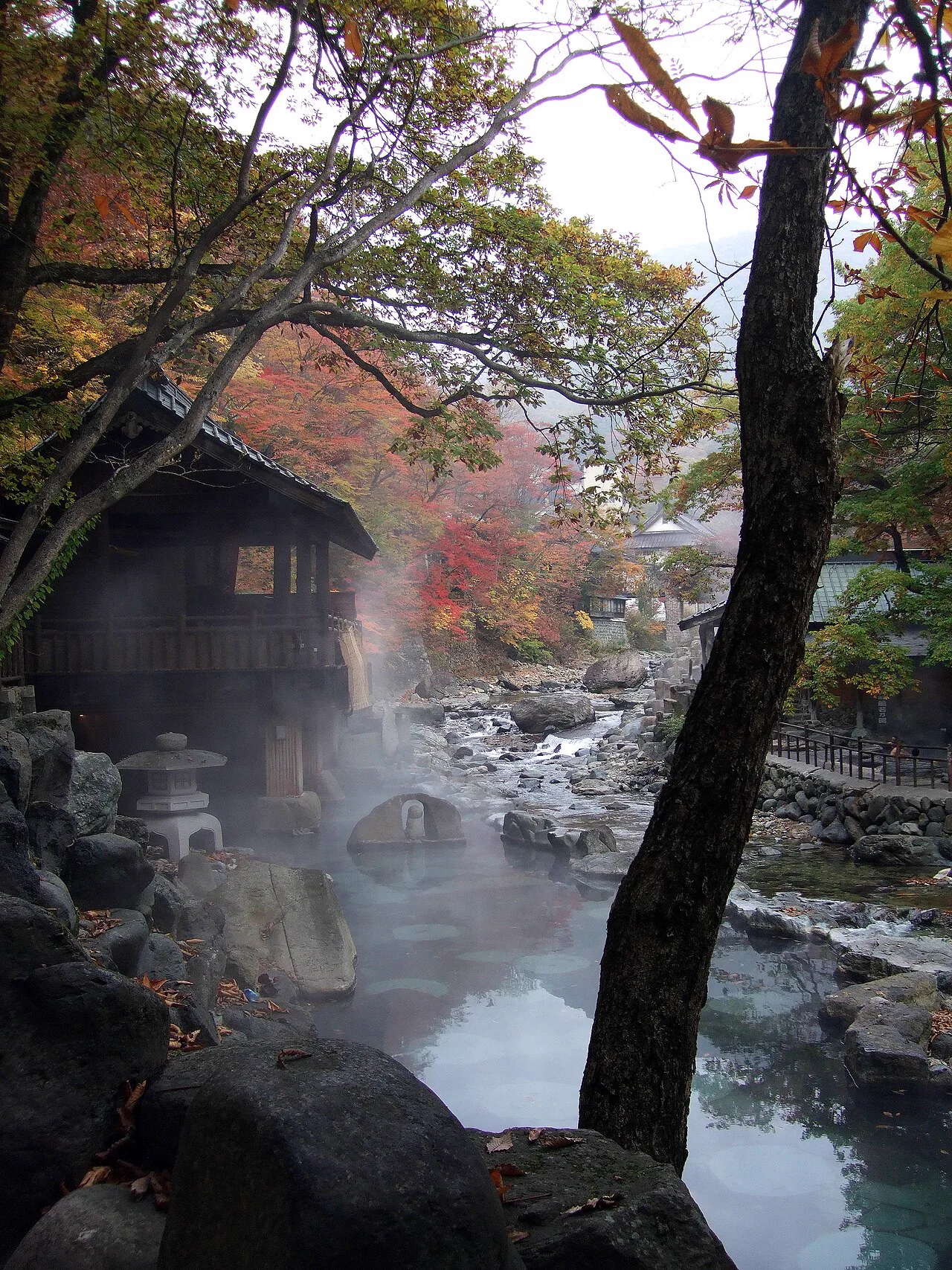
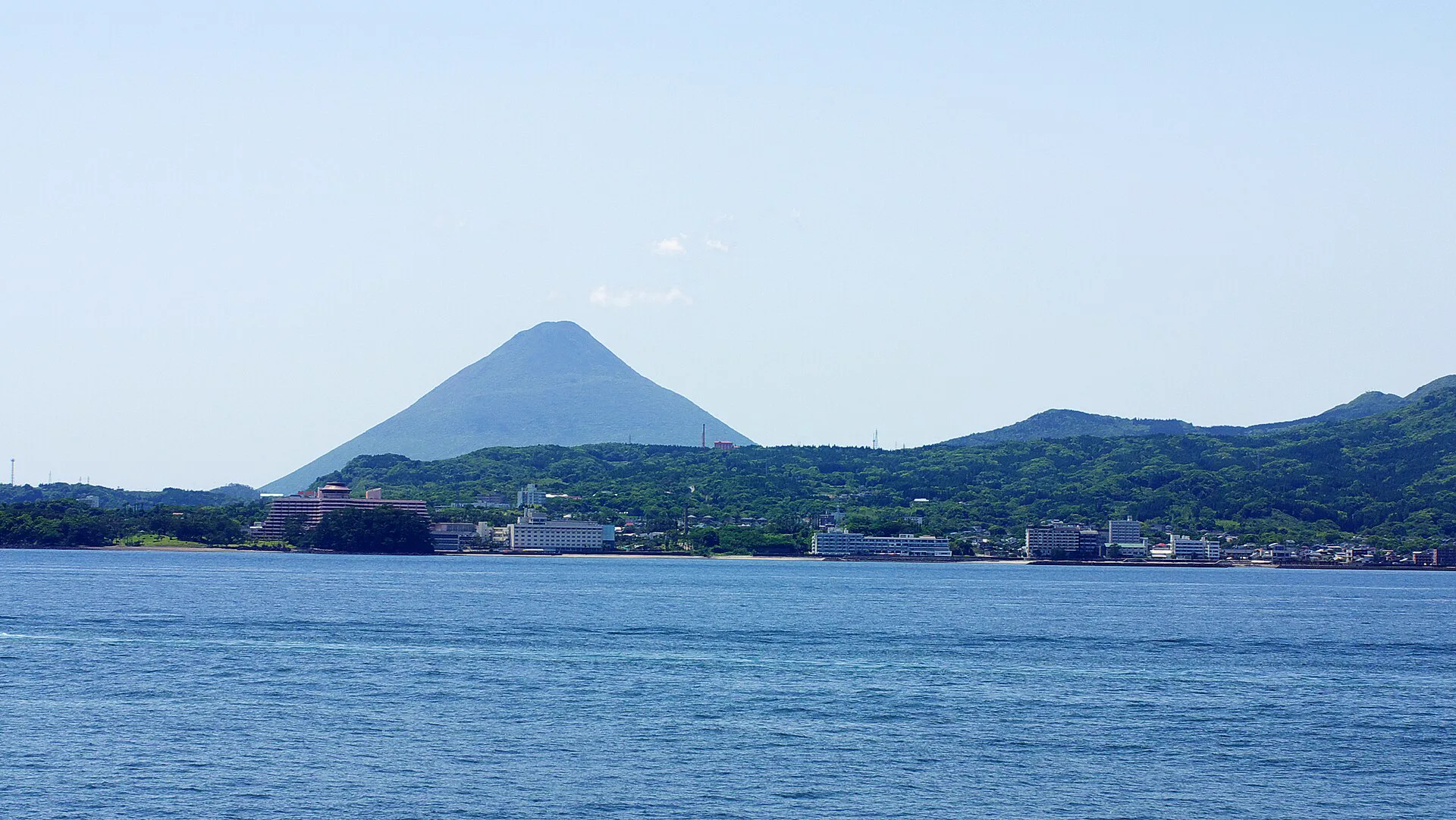
Tamatebako is an outdoor bath with two sides that alternate between men and women each day. One looks toward Mount Kaimon and the other toward Take-yama; the side you get depends on the date. It opens at 9:30 a.m. and closes at 7:30 p.m., with final admission at 7 p.m. It is closed on Thursdays, or Friday when Thursday is a public holiday. From JR Yamakawa Station, the tourism association lists about 14 minutes by bus or ten minutes by car.
The separate Tamatebako Onsen guide explains the alternating views and visit logistics. If your priority is staying near these southern stops rather than returning to central Ibusuki, compare the Ibusuki stay areas first.
Add the journey before you call it a budget bath
Sayuri and Tamatebako are in the same southern part of Ibusuki, while Unagi is beside a different lake road. None is a station-side walk-in from central Ibusuki. The lowest admission price only saves money when you are already heading that way, have a car, or have checked a workable bus connection.
For a short stay near the station, compare admission plus any extra trip against a bath in town. For a day around Yamakawa, Sayuri’s low ticket price makes more sense when the area is already on your route. If you are relying on buses, the car-free Yamakawa half-day plan lays out the limited connections and walks. Do not add a made-up “all-in” fare: the final cost depends on the service and date you choose.
The spring water is different at each bath
All three are natural hot springs, but the published spring details are not interchangeable. Sayuri lists chloride spring water at a source temperature of 86°C; Unagi is a simple sulfur spring at 88.8°C; Tamatebako lists a sodium-chloride spring at 100.4°C. Those are source temperatures, not bath temperatures. Each facility says its water is diluted and/or managed before bathing, so the hottest source is not a useful way to rank the experience.
| Published detail | Sayuri | Unagi Onsen | Tamatebako |
|---|---|---|---|
| Spring type | Chloride | Simple sulfur | Sodium-chloride, strongly saline |
| Source temperature | 86°C | 88.8°C | 100.4°C |
| Supply notes | Diluted; flowing spring water listed | Diluted; flowing spring water listed | Diluted; flowing spring water listed |
| Bath temperature | Not published here | Cannot be inferred from source temperature | Cannot be inferred from source temperature |
A low-cost bath for four different situations
If you already have a car and your own towel, Sayuri’s ¥200 bath-only ticket is the cheapest confirmed option, provided a simple soak is enough. Choose Unagi when the sulfur water is the reason for going; pack your own towel and toiletries because the current public listing does not confirm them. Tamatebako is the straightforward pick when you arrive empty-handed and need a proper wash, though towels and transport push the total above its ¥900 entry fee. If you are based near Ibusuki Station without a car, price the journey first: a cheap southern bath can cost more overall than a convenient town bath.
Tattoo rules are not clearly stated on the current public listings for these three baths. If it affects whether you can enter, contact the facility directly before travelling rather than assuming the same policy applies at all of them.