Saraku or Sayuri? Choosing an Ibusuki Sand Bath
Compare Saraku and Sayuri sand baths by price, facilities, hours and access. Saraku is easier from Ibusuki Station; Sayuri sits beside the coast.
Saraku and Sayuri both use naturally heated sand, but they fit different days. Saraku is the straightforward option from Ibusuki Station, with a public bath, showers and sauna after the sand session. Sayuri is farther south in Yamagawa, where several sand beds sit by the beach and Mount Kaimon and the East China Sea frame the setting.
The ordinary adult sand-bath ticket is ¥1,500 at Saraku and ¥1,100 at Sayuri. That ¥400 gap does not compare like-for-like comfort: Saraku’s ticket includes the public bath and its more complete wash-up facilities, while Sayuri charges separately for towels and does not allow soap or shampoo in its bath area.
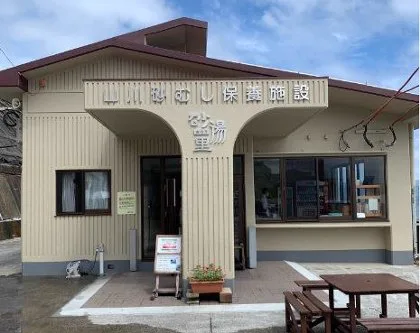
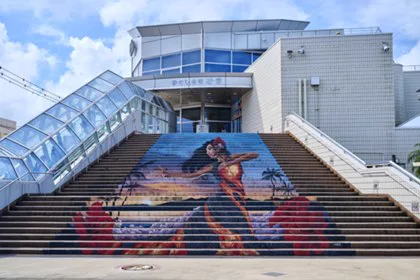
Facility photos: Ibusuki Tourism Association and Sayuri’s listing.
| What matters | Saraku | Sayuri |
|---|---|---|
| Regular adult sand bath | ¥1,500, including yukata and public-bath access | ¥1,100, including yukata; towels cost extra |
| Next listed special-price period | Dec. 29, 2026–Jan. 3, 2027: ¥2,000 | Dec. 29, 2026–Jan. 3, 2027: ¥1,500 |
| Usual hours | 8:30 a.m.–9 p.m.; last reception 8 p.m. | Opens at 8:30 a.m.; last reception 4:30 p.m. Official listings give closing times of 5 p.m. and 5:30 p.m. |
| Weekly / maintenance closure | No weekly closing day; planned maintenance closure Dec. 14–18, 2026 | Closed Wednesdays, or the following day if Wednesday is a holiday; severe weather can also close it |
| After the sand bath | Public bath, showers, shampoo, body wash, sauna and cold bath | Simple indoor bath; soap and shampoo are not permitted |
| Setting | Covered sand-bath area is the usual setup; shoreline sessions depend on tide and conditions | Sand beds 2–4 are on the beach; bed 5 is beside the building |
| Getting there | Near Ibusuki Station, with a bus stop at the entrance | In Yamagawa; check bus departures and the final connection before setting out |
Pay more for a flexible stop, or less for the coastline?
Saraku fits a day that has a train, dinner booking or another stop after bathing. It is open later, and the public bath gives you somewhere to rinse off and soak before changing. The venue lists free parking for about 90 cars. Its sand-bath reception can close early when the queue is heavy, though, so the posted 8 p.m. cutoff is not a guarantee that every late arrival will be admitted.
Sayuri works best when Yamagawa is already part of your plan—perhaps with the southern coast or a drive around the peninsula. The lower ticket price is meaningful if you bring your own towels and are happy with a quick rinse and simple bath. Since soap and shampoo cannot be used there, plan to wash properly at your accommodation or another facility.
Sayuri lists capacity at about 30 visitors an hour and may issue numbered tickets when busy. Reception can end around 4 p.m., earlier than its usual 4:30 p.m. cutoff. The Ibusuki Tourism Association lists a 5 p.m. close, while Kagoshima Prefecture lists 5:30 p.m.; both give the same last-reception time. Arrive well before 4:30, especially on a busy day.
Open coast versus all-weather cover
Sayuri’s beachside setting is its point of difference. The association lists three sand beds on the shore and another beside the building, with the sea and Mount Kaimon as the backdrop. Bad weather can still close the facility, and the outdoor view is not a reason to ignore the forecast.
Saraku’s covered, all-weather sand area is the normal arrangement. Staff may use the shoreline when the tide and conditions allow, but that is not something visitors can request or reserve. Its FAQ says ordinary rain does not automatically stop service; check the day’s notice for severe weather, equipment issues and queue updates.
Getting there is part of the choice
Saraku is about a 20-minute walk from JR Ibusuki Station, and local buses stop directly outside. That makes it easier to add to a car-free itinerary without building the day around a limited connection.
Sayuri is in Yamagawa, around 10 minutes from JR Yamagawa Station by car and listed as about 20 minutes by bus. Check the current bus route and departure time for your date, including how you will get back; the station and the facility are not the same stop. If you are already driving the southern peninsula, this extra step matters less.
Spring-water details, without overreading the numbers
Both facilities list chloride spring water and dilute it. Saraku publishes a source temperature of 84.7°C and describes its supply as a combination of flowing source water and recirculation. Sayuri lists 86°C and source-fed flow. Those are source figures, not the temperature of the bathing pools or the sand covering each visitor.
A quick decision
Pick Saraku for the train access, later hours, full wash-up or published tattoo conditions. Saraku’s FAQ allows tattooed visitors under stated conditions; Sayuri’s listing gives no equivalent rule, so ask Sayuri if that affects your choice.
Pick Sayuri if you will have a car or a confirmed Yamagawa connection and care most about the beach setting. Go early enough to absorb a queue or weather change, and bring your own towels if you want to keep the price difference.
For the basic sequence and what to bring, read the Ibusuki sand-bath first-timer’s guide. Saraku’s own details—including the active escalator notice—are in the Saraku facility guide.