A Car-Free Half-Day in Yamakawa: Sayuri and Tamatebako Onsen by Bus
Plan a car-free half-day to Sayuri and Tamatebako Onsen in Yamakawa, with current Ibusuki bus times, the temporary shuttle and the walks at each stop.
Sayuri and Tamatebako Onsen can fit into one half-day without a car, but the awkward part is the connection between them. While the footpath is under construction, a temporary shuttle runs roughly once an hour. The timetable does not publish its exact departure minutes, so check with staff when you arrive at Tamatebako rather than planning around a guessed connection.
Plan around a late-morning bus and leave roughly four hours for the two baths, with a later service held in reserve. That slack matters more here than the short distance between the facilities.
Build the day around the bus, not the map
The Nottari Oritari sightseeing bus makes four round trips daily and serves the southern peninsula. The current timetable listed by Ibusuki’s tourism association is the October 1, 2025 revision; Ibusuki City says the Tamatebako stop resumed service on November 22, 2025, with no change to the stop times. JR Kyushu’s current sample route uses the 11:10 departure from Ibusuki Station and an 11:36 arrival at Tamatebako.
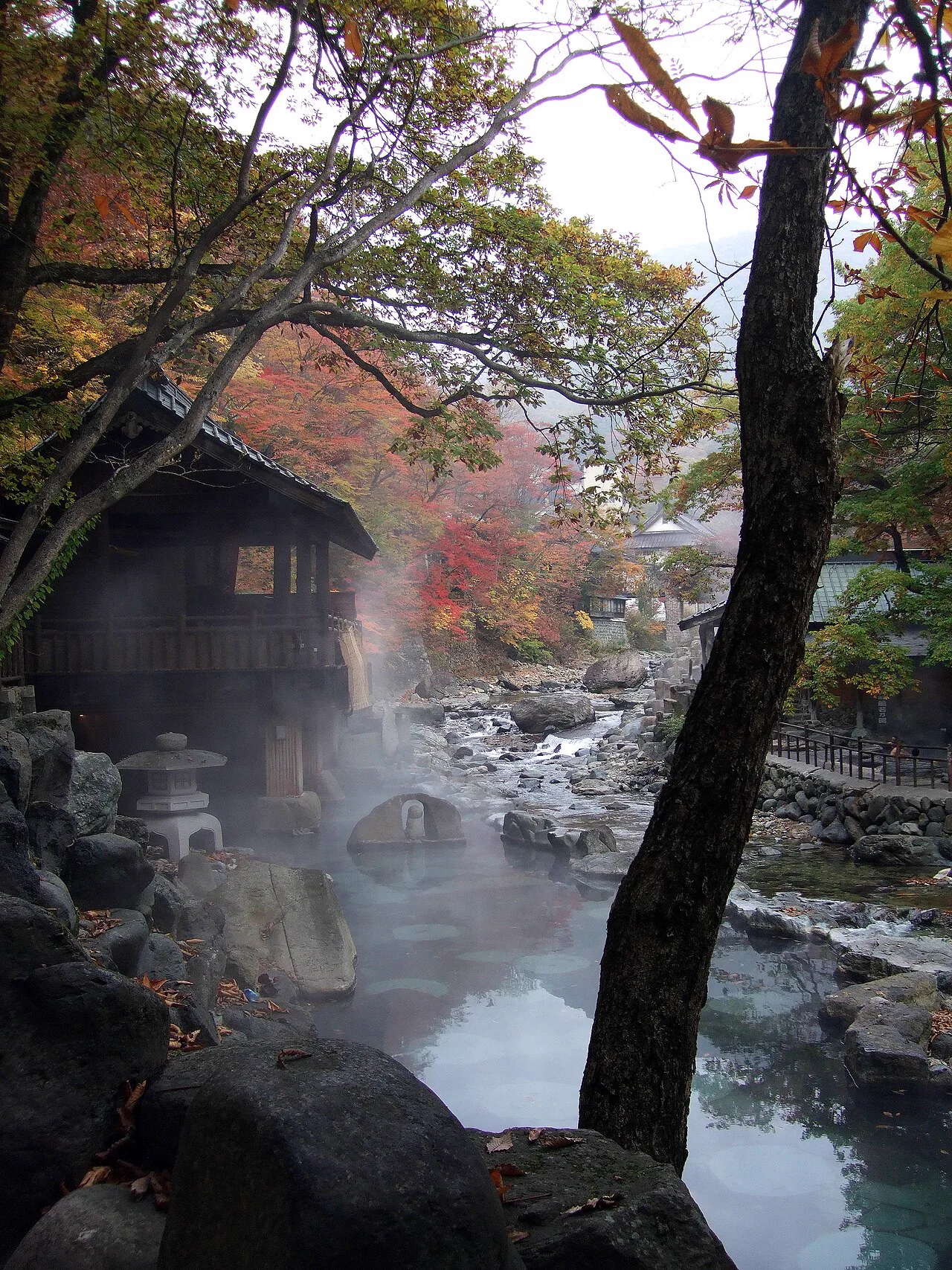
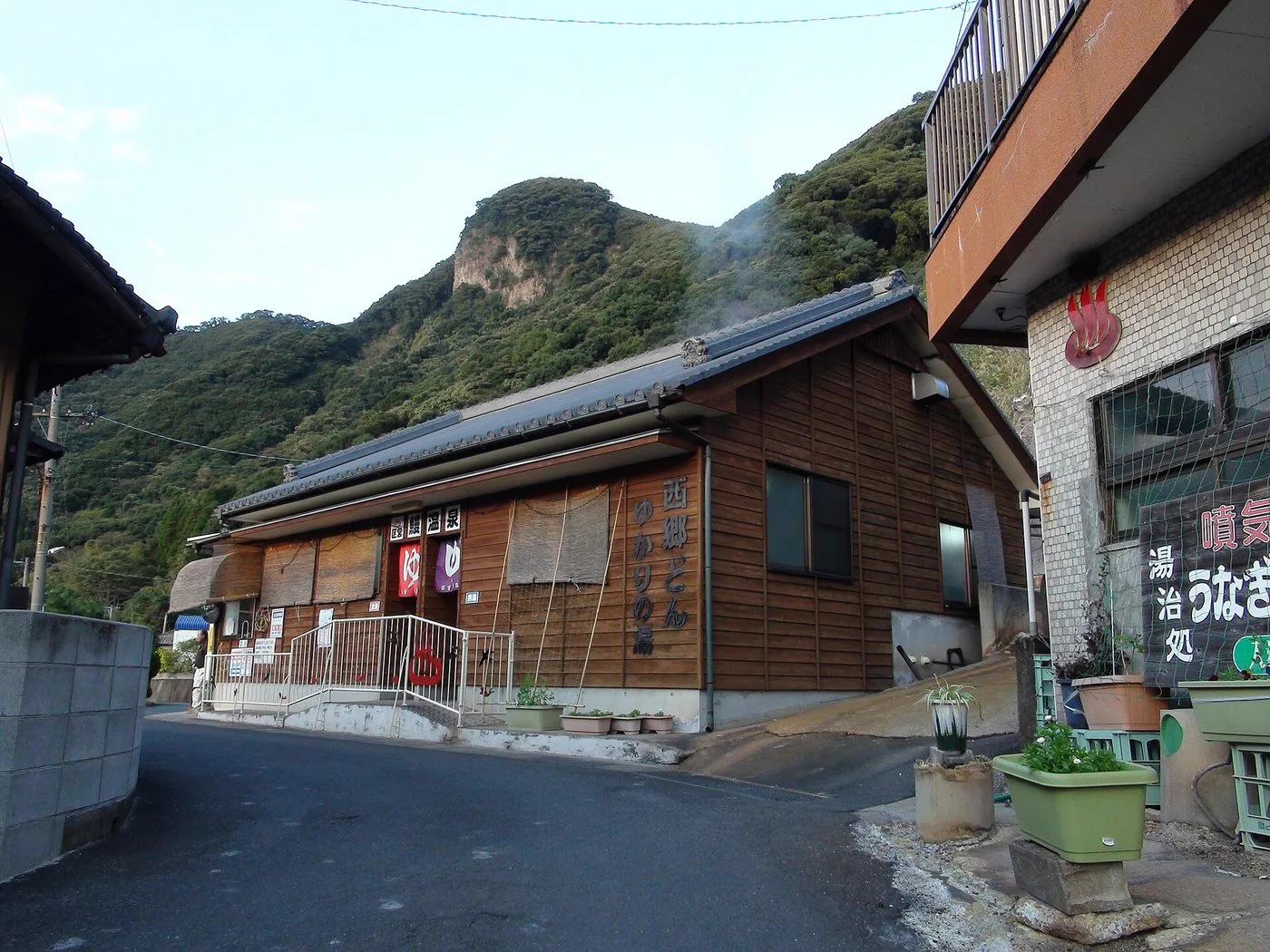
From the bus stop, the walk depends on which service and stop you use. The sightseeing-loop stop is listed as “Heli/Land Entrance,” about eight minutes on foot from Tamatebako’s open-air baths. Another local route serves a stop named “Tamatebako Onsen.” Sayuri is a separate 11-minute uphill walk from “Yamakawa Sunamushi Onsen Entrance,” with a noticeable change in elevation. For the two-bath plan, use the temporary shuttle between the facilities rather than walking an unverified route across the construction area.
At the start of your visit, ask when the next shuttle leaves in each direction. Since it comes about hourly, a missed departure can take a meaningful bite out of a four-hour window. If walking uphill is difficult, or you cannot afford a long wait, a taxi between the baths is the more dependable fallback; ask staff to help arrange one.
A workable half-day, with room to slow down
Once you arrive, confirm the shuttle and go to Sayuri first. Its last reception is 4:30 p.m. (the facility closes at 5:30 p.m.), and rough weather can stop operations. Tamatebako stays open later, until 7:30 p.m. with last entry at 7 p.m., which makes it the better place to finish.
Allow enough time at Sayuri to change, take the sand bath and wash off before the shuttle back. At Tamatebako, the 3:34 p.m. bus reaches Ibusuki Station at 4 p.m., provided the shuttle and reception are on time.
The 5:34 p.m. bus arrives at 6 p.m. and leaves more breathing room. An earlier 1:34 p.m. return reaches the station at 2 p.m., but gives little margin for delays or a busy sand bath.
The order matters because Sayuri has the earlier cutoff and can close in bad weather. It is normally closed on Wednesdays; Tamatebako normally closes on Thursdays, with its closure moving to Friday when Thursday is a public holiday. Check both facilities for holiday changes or temporary notices before travelling. If only one is open, make it a single-bath visit rather than trying to force the two-stop route.
The walk is the trade-off
This is not a simple hop off the bus and straight into either bath. The sightseeing bus stop for Tamatebako is a short walk from the entrance; Sayuri’s named stop involves an uphill approach. The shuttle avoids that climb, but its hourly rhythm means flexibility matters more than the distance on a map. Carry water, allow extra time if you walk slowly, and avoid setting a tight onward train connection after the 4 p.m. return.
For a day that includes several other Ibusuki stops, the adult one-day bus pass costs ¥1,500 (children ¥750) and must be purchased before boarding. A return between Ibusuki Station and Tamatebako is listed at ¥500 each way, so two rides total ¥1,000; for this itinerary alone, individual fares cost less. The pass may suit you if you will continue to other stops on the same day. Confirm which service accepts it before buying, especially if you are mixing route buses.
If you are still choosing between these baths and the more accessible options near town, compare the Ibusuki day-use onsen guide. For the longer journey into the area, see how to get to Ibusuki from Kagoshima; whether to return the same day is a separate question covered in the Ibusuki day trip or overnight guide.
Sources
Checked September 28, 2026. Bus and facility details can change; confirm the service for your date. - [Ibusuki Tourism Association: Nottari Oritari pass, route and access notes](https://www.ibusuki.or.jp/access/city/plan/) — daily service frequency, pass prices, walk times from listed stops and current timetable link. - [Ibusuki City: local bus timetable](https://www.city.ibusuki.lg.jp/main/fp/machi/syakaikiban/kotsu/page002659.html) — October 2025 timetable revision and Tamatebako stop restoration. - [Kagoshima Kotsu: Ibusuki-area timetable PDF](https://www.ibusuki.or.jp/access/676324513d27e1fe650a22ab4d6783f0.pdf) — published stop times, including the 11:10 departure and 11:36 arrival. - [JR Kyushu: Ibusuki-area sample bus itinerary](https://www.jrkyushu.co.jp/train/kagonmarvelous/area/index.php) — sample connections, ¥500 one-way fare and pass information (times stated as of February 2026). - [Kagoshima Prefecture Tourism: Sayuri](https://www.kagoshima-kankou.com/guide/10682) — hours, final reception, closure, weather caveat and shuttle notice. - [Kagoshima Prefecture Tourism: Tamatebako Onsen](https://www.kagoshima-kankou.com/guide/10674) — hours, last entry, weekly closure and shuttle notice.Related guides
Tags: Yamakawa onsen without a car, Ibusuki bus timetable, Sayuri sand bath, Tamatebako Onsen, Ibusuki itinerary, Kagoshima travel