Obonai at Kindaichi Onsen: A ¥600 Day-Use Bath in a Traditional Ryokan
Obonai offers a ¥600 day-use soak in Kindaichi Onsen’s Tamano-yu spring. Check the small bath’s limits and confirm bus times and availability.
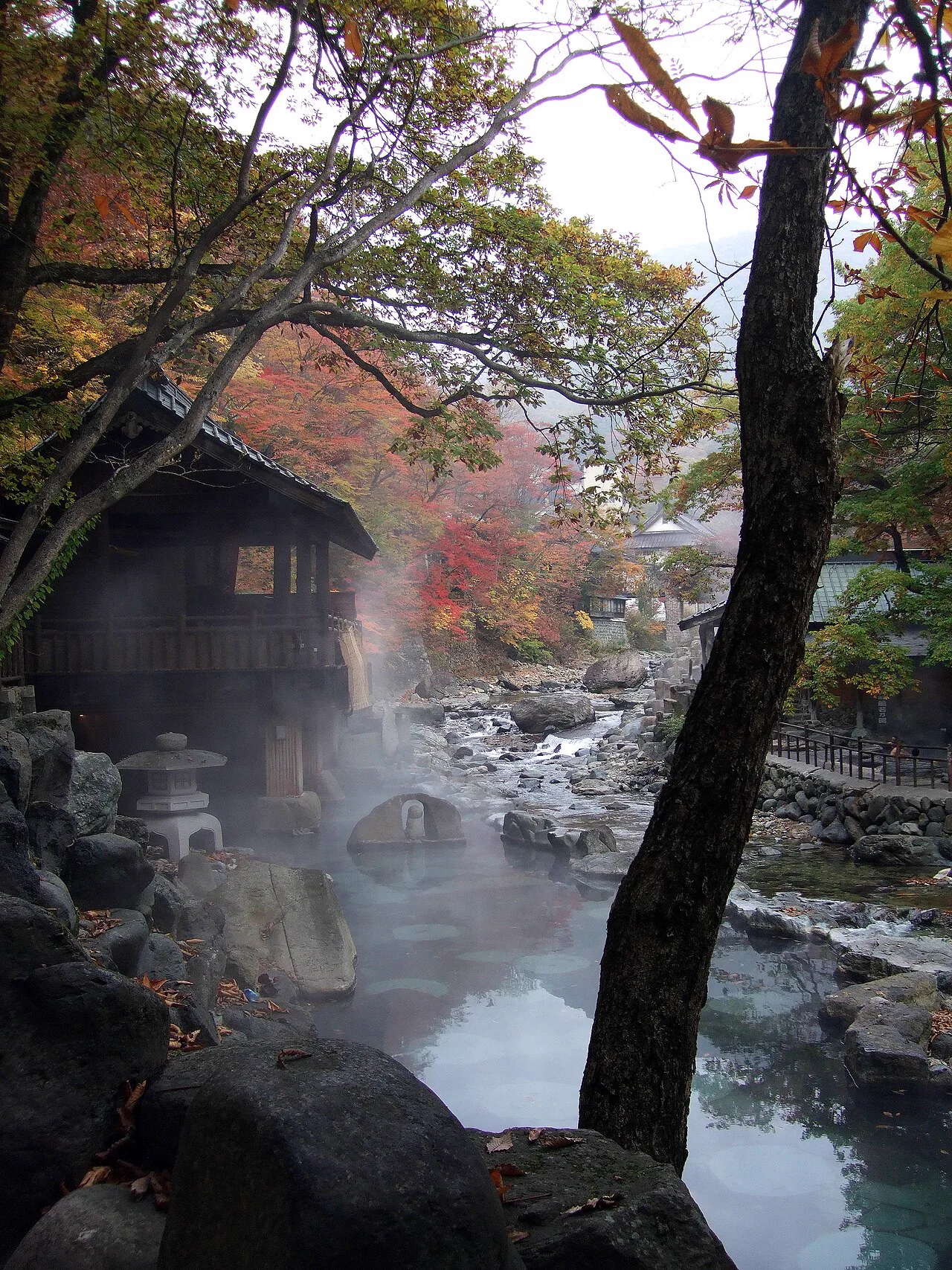
Obonai is the Kindaichi choice for a quiet, old-inn atmosphere and a soak in Tamano-yu, one of the area’s named springs. Adult day admission is ¥600 (about HK$30 / NT$123). It is a simple, gender-separated indoor bath rather than a large spa: there is no advertised sauna or outdoor pool. If you want several bathing options, a cold plunge or a long evening visit, the newer Kadar Terrace nearby is a better fit.
Price and hours: use the newer city listing, then call
| Current Kindaichi day-use guide | |
|---|---|
| Adults | ¥600 (about HK$30 / NT$123) |
| Primary-school children | ¥400 (about HK$20 / NT$82) |
| Preschool children | ¥300 (about HK$15 / NT$61) |
| Opening hours | 10:30am–6pm |
| Last reception | 5pm |
| Regular closing day | Irregular; call ahead |
The inn’s static onsen page still says day bathing is 10am–5pm, while Ninohe City’s current guide gives 10:30am–6pm, with reception ending at 5pm. Use the city’s later listing as a planning reference, but call Obonai before making a long trip. The city also warns that some baths in Kindaichi are small and may involve a wait during busy periods or group bookings.
What you get for ¥600
Obonai has an indoor, gender-separated public bath supplied by the inn’s Tamano-yu spring. The inn describes it as a weakly alkaline simple spring, and Ninohe City calls Tamano-yu the oldest privately owned spring in Kindaichi Onsen.
A separate spring database associated with the inn lists pH 8.1. Current public pages do not provide a new individual analysis with a confirmed 2026 source temperature or flow rate. The district’s often-mentioned temperature of about 33°C should not be assigned to this inn’s bath.
There is also a detail for spring-water purists: the inn’s bathing information uses both “free-flowing” and “circulation” in its description. It confirms natural spring water, but does not provide a tub-by-tub treatment breakdown. Do not turn that wording into a blanket claim that every bath is untreated or never circulated.
Obonai is best understood as an inn bath, not a facility checklist. The draw is the named source and the traditional lodging setting. Kadar Terrace is the practical alternative if you would rather have a carbonated bath, a 33°C source-fed pool and a dry sauna; adult day admission there is ¥700 (about HK$35 / NT$143), with longer daily hours.
The bath has shampoo, conditioner, body wash, soap and a hair dryer. There is no advertised open-air bath or sauna. The building retains an early-Showa feel; later additions make the interior layout less straightforward than a modern spa. If anyone in your group needs step-free access or a spacious changing area, ask the inn about stairs and the route to the bath before visiting.
Kindaichi’s “Samurai’s Bath” name has a real local history behind it. Ninohe City dates the spring’s opening to 1626 and the public bath to 1635; 2026 marks 400 years since the spring was found. That history belongs to the wider onsen district, while Obonai’s own identity is tied to Tamano-yu, which the city describes as its oldest privately owned source.
The station is not the front door
From Tokyo, take the Tohoku Shinkansen to Ninohe, then transfer to the IGR Iwate Galaxy Railway for Kindaichi-Onsen Station. Obonai says the bus ride from the station takes about seven minutes. It does not publish a year-round bus timetable on its access page, so check both directions for your date; the station’s name does not mean the inn is beside the platform.
Driving is simpler if the bus connection does not line up. Obonai lists about 25 minutes by car from Ichinohe Interchange and parking at the inn. Without a car, the visit is conditional on a workable local-bus schedule or a taxi plan. Since last reception is 5pm and the bath may close or pause for inn operations, arriving on a late connection is a poor gamble.
For a broader base in Iwate’s hot-spring region, see the Hanamaki access and stay guide. Kindaichi sits farther north and is a different kind of visit; it should not be treated as a quick side trip from Hanamaki.
Go for the old inn and spring, not resort facilities
Obonai suits a visit to northern Mogami when a simple inn bath is enough. For an outdoor pool, sauna or later hours, choose nearby Kadar Terrace instead. Tattoo policy: Unconfirmed; contact the inn before travelling if entry depends on it.
Sources
- [Ninohe City: current Kindaichi Onsen day-use bath guide](https://www.city.ninohe.lg.jp/Info/342) - [Obonai: onsen details and bathing hours](https://obonairyokan.com/onseninfo/) - [Obonai: access from Kindaichi-Onsen Station and Ichinohe Interchange](https://obonairyokan.com/shisetsu/access/) - [YUDABASE at Obonai: Tamano-yu spring information](https://yudabase.obonairyokan.com/) - [Ninohe Tourism Association: Kindaichi accommodation and day-use information](https://www.ninohe-kanko.com/access/yado-kintaichi) - [Jalan: Obonai accommodation listing and guest reviews](https://www.jalan.net/yad334145/)Checked: 27 September 2026. Tags: Kindaichi Onsen, Obonai, Tamano-yu, Ninohe, Iwate, day-use onsen, traditional ryokan, public bath, natural hot spring, Tohoku, IGR railway, Ninohe travel, low-cost onsen, Japan hot springs, rural onsen