Shikisou Sauna in Izumo: Hours, Prices and the 6am Session
Shikisou's PARATIISI sauna opens at 6 am and costs ¥1,480 on weekdays. Sauna and public onsen tickets are separate; the cold bath is 1.6 metres deep.
Shikisou is a useful early-morning stop near Izumo Airport, but it is easy to budget for the wrong product. A regular public-bath ticket does not include PARATIISI. The sauna has its own entry fee, and access to the public onsen costs extra; a morning sauna-only visit is possible, with private shower booths available in the sauna area.
Choose the ticket around the kind of visit you want
| PARATIISI admission | Weekday | Weekend or holiday |
|---|---|---|
| General sauna entry | ¥1,480 | ¥1,680 |
| Member sauna entry | ¥1,180 | ¥1,380 |
| General entry with public onsen | ¥1,780 | ¥1,980 |
| Women-only day, first and third Thursday | ¥1,080, including onsen | — |
The sauna opens 6–9 a.m. and 10 a.m.–9:30 p.m.; the facility closes for cleaning from 9–10 a.m. Check the calendar before planning around the women-only session.
The sauna page lists public-onsen access as a ¥300 add-on to sauna admission. Do not add the public-bath ticket price again: sauna and onsen are separate products, and the combined sauna rate is the sauna price plus ¥300. The published member rate is ¥300 below the general sauna rate on both weekdays and weekends.
If you only want the hot spring, the public bath is open 6–9 a.m. and 10 a.m.–9:30 p.m.; it is reserved for overnight guests after 9:30 p.m. The 9–10 a.m. interval is for cleaning and maintenance.
| Public onsen admission | Standard price | Member price |
|---|---|---|
| General admission (high-school age and older) | ¥700 | ¥600 |
| Senior admission (age 60 and older) | ¥500 | ¥400 |
| Primary- and junior-high students | ¥500 | ¥400 |
| Age 3 to preschool | ¥300 | ¥200 |
The sauna’s ¥1,480/¥1,680 rates are separate from this public-bath admission; only sauna guests can add the onsen for ¥300.
For a broader choice of baths, see the Yunokawa Onsen day-use comparison. Shikisou stands out there for the early sauna, while the Shikisou–Yumoto comparison is more useful if spring-water supply is your priority.
What makes PARATIISI different
The Finnish-style sauna uses löyly, with automatic steam and an automatic heat-wave system. A professional heat-wave session is scheduled every Sunday, although the operator’s notices are the place to confirm event changes. The dedicated area has 60 lockers, five individual shower booths and KUOPPA, a booth-style rest space with charging outlets. These are practical extras if you plan to stay for more than one sauna round; they matter less for a quick bath.
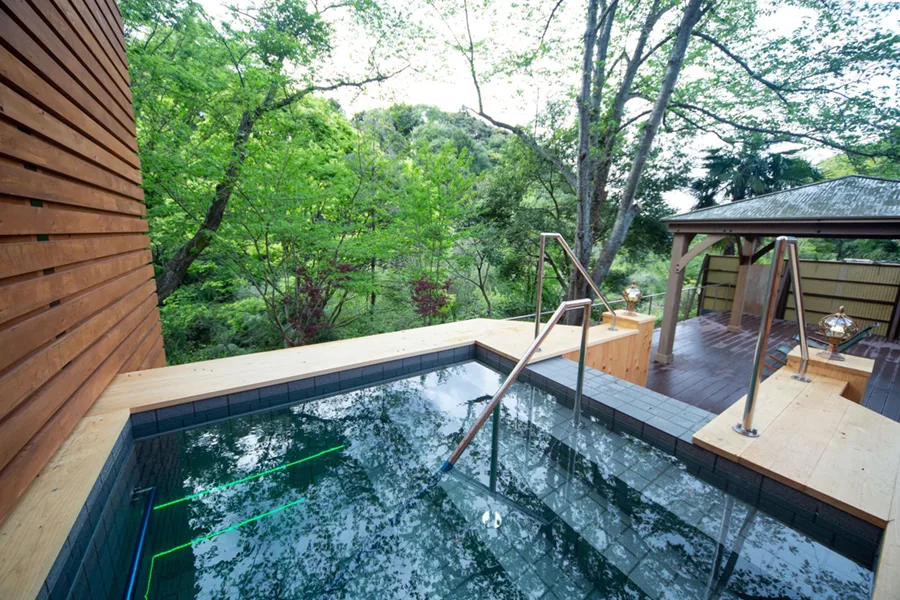
Its most unusual feature is the cold bath: the operator gives a total water volume of about four tonnes and a maximum depth of 160cm, and says the bath uses Shikisou hot-spring water. There is no current published fixed temperature for that pool. The 50.2°C figure on the onsen page is the source temperature, not the cold bath’s temperature. A deep plunge is not a requirement; use a shallower entry point and leave the water if the depth or cold feels uncomfortable.
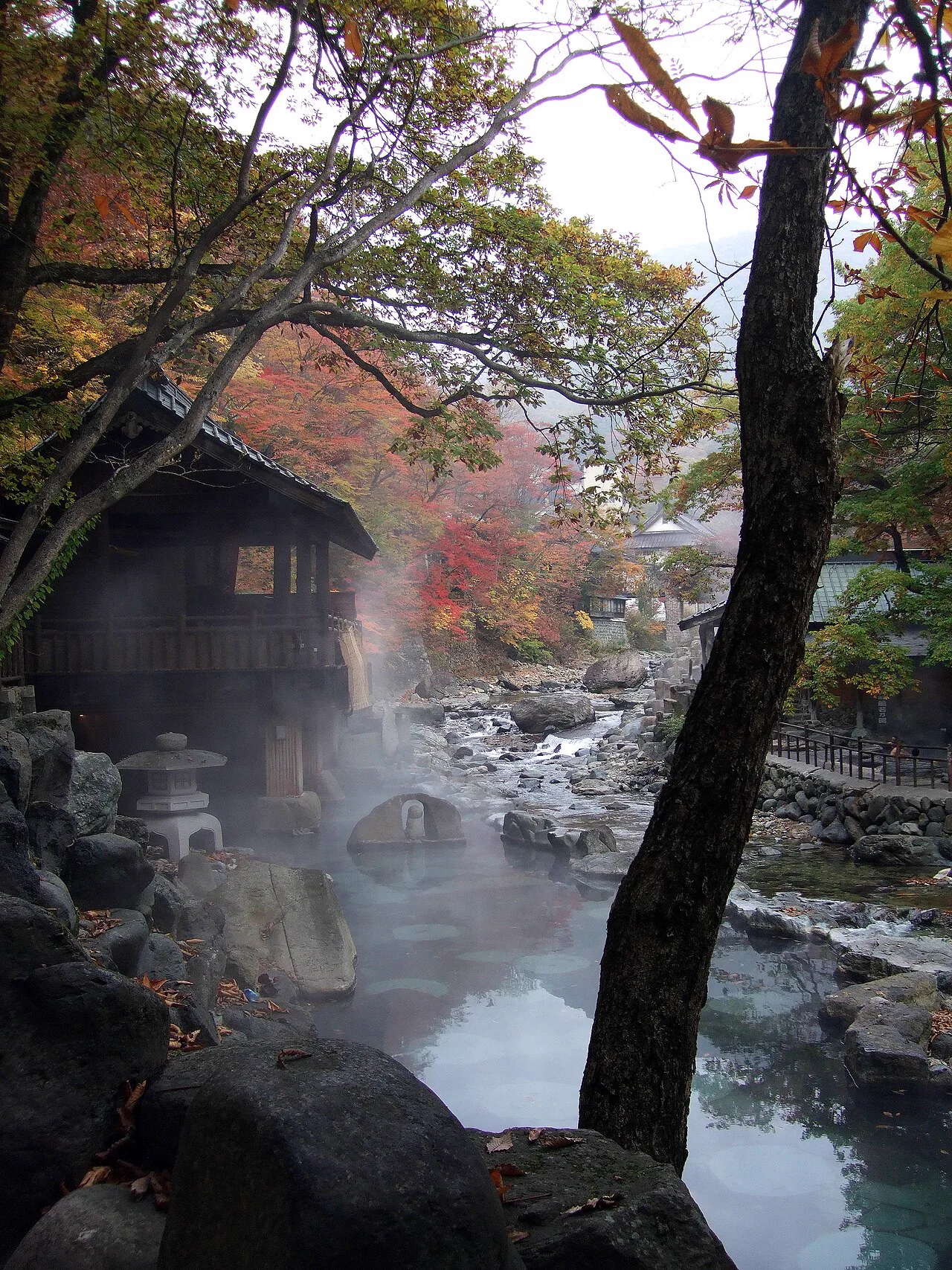
The spring is Yunokawa Onsen’s sodium-calcium sulfate-chloride water. Shikisou describes it as free-flowing, but also notes that circulation equipment is installed in both the indoor and outdoor baths. The spring is real; a claim that every pool is exclusively free-flowing would go beyond the facility’s own description.
The early opening only helps if you can reach it
Shikisou is in Hikawa-cho, about a 20-minute walk from JR Shōbara Station according to the inn. The Shimane tourism listing estimates the walk at about 15 minutes, so allow time for the longer figure if you are carrying a bag or walking before dawn. A taxi or rental car is more practical for a short sauna visit; the property is also about ten minutes by car from the Shinji interchange. There is no need to assume the nearby airport has a frequent shuttle to the entrance—arrange a taxi or the day’s transfer before relying on it.
The 6–9am window can preserve the day for Izumo Taisha or Matsue, but the train station walk cuts into that advantage. If you are coming by public transport, check the first train and return connections before booking anything else around the session. For an overnight stay, the inn also has capsule lodging; confirm the current plan and access terms directly rather than assuming lodging is part of sauna admission.
Who should pay for the sauna?
Choose the public bath ticket if you want the hot spring and outdoor bath without spending several hours at the facility. PARATIISI makes more sense if you will use the sauna, cold bath, showers and rest area as one longer stop. The Sunday heat-wave session gives sauna enthusiasts another reason to time a visit, while women planning around the women-only date should verify that month’s schedule.
Shikisou says its spring water flows continuously, while also noting that circulation equipment is installed in both public baths. If you need to know whether a specific pool uses only fresh source water, see the Shikisou–Yumoto Yunokawa comparison. The hotel does not publish a clear tattoo policy; ask before travelling if that affects your choice.
Sources
- [Shikisou: PARATIISI sauna hours, admission and facilities](https://shikisou.com/sauna.php) - [Shikisou: Yunokawa Onsen details and day-use admission](https://shikisou.com/onsen.php) - [Shimane Tourism Navi: Shikisou](https://www.kankou-shimane.com/destination/28019) - [Shikisou: 2026 source maintenance notice](https://shikisou.com/news_detail.php?id=9) - [Shikisou: location and access](https://shikisou.com/)Checked: 27 September 2026. Tags: Izumo, Yunokawa Onsen, Shikisou, PARATIISI, sauna, morning sauna, day-use onsen, cold plunge, Shimane, Sanin, Japan hot springs, sauna prices, sauna hours, public bath, Izumo travel