Hadano Kobo-no-Satoyu: A Day-Use Onsen Near Tokyo
Plan a visit to Hadano Kobo-no-Satoyu with current ticket options, alternating baths, two spring sources, private Tsurunoyu and station access.
Hadano Kobo-no-Satoyu is an easy day-use bath to reach from Tokyo: the Odakyu ride from Shinjuku takes about 65 minutes, followed by a two-minute walk from Tsurumaki-Onsen Station. Check the date before setting out; the dry and steam saunas switch sides, and each admission covers one side only.
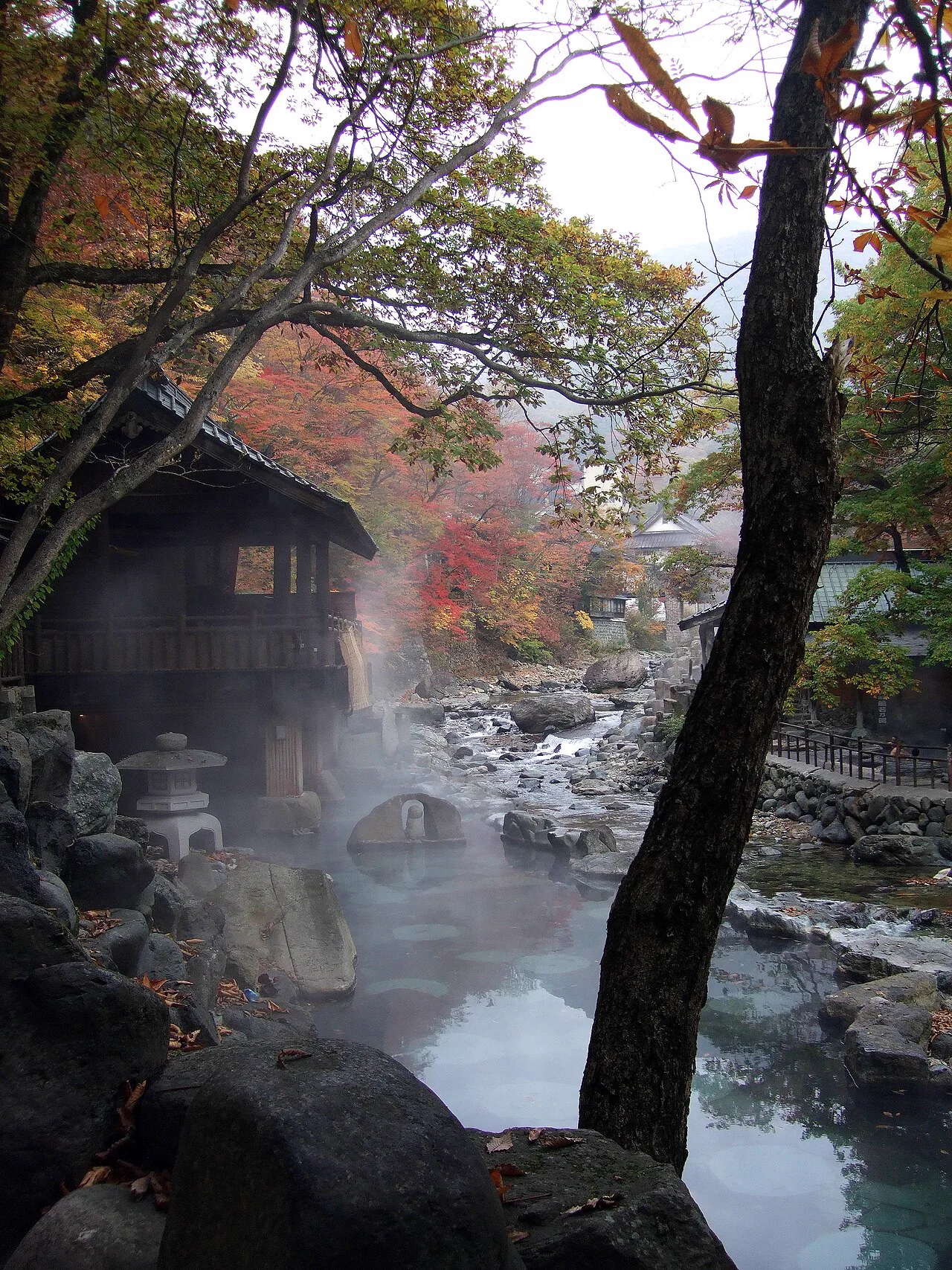
!Hadano Kobo-no-Satoyu, a municipal day-use bathhouse in Tsurumaki Onsen <small>Photo: Suikotei, CC BY-SA 4.0.</small>
Pick a ticket around the rest of your day
| Ticket | Weekdays | Weekends and public holidays |
|---|---|---|
| Two hours | ¥800 | ¥1,000 |
| All day | ¥1,000 | Not offered |
| Extra hour | — | ¥200 |
The weekday all-day ticket is only ¥200 more than the two-hour option. It makes sense if you expect to eat at the restaurant, take a break in the large rest hall, or return to the baths later. There is no equivalent all-day ticket for ordinary weekend visitors, so the ¥200 hourly extension can add up if lunch and a long rest are part of the plan.
Preschool children enter free; elementary and junior high students pay half the adult rate. A ¥200 discount is available for holders of the Tanzawa–Oyama Free Pass, visitors entering after 7:30 p.m., and weekday visitors aged 65 or older with ID. Discounts cannot be combined. The late-entry deal has a narrow window: last admission is 8 p.m., and the facility closes at 9.
The bath is closed on Mondays, or on the next weekday when Monday is a public holiday, as well as December 31. From December 28 through January 3 it closes at 5 p.m., with last admission at 4. Towels are sold on site rather than rented. Bring one if you prefer not to buy a towel there.
The sauna changes with the calendar
The two bathing sides, Yama-yu and Ri-yu, alternate between men and women by date. Men use Yama-yu on even-numbered dates and Ri-yu on odd-numbered dates; the allocation is reversed for women. Yama-yu has a steam sauna, while Ri-yu has a dry sauna. Admission gives you access to your assigned side for that visit, not a chance to switch between both.
The facility draws hikers returning from the Tanzawa and Oyama area, so a quiet soak is not guaranteed even on a weekday. Visit accounts include a crowded Saturday evening and a weekday afternoon when the washing stations were full. If you dislike sharing a busy changing room or waiting to wash, leave extra time rather than planning a tight train connection.
Two springs, with a limit to what is published
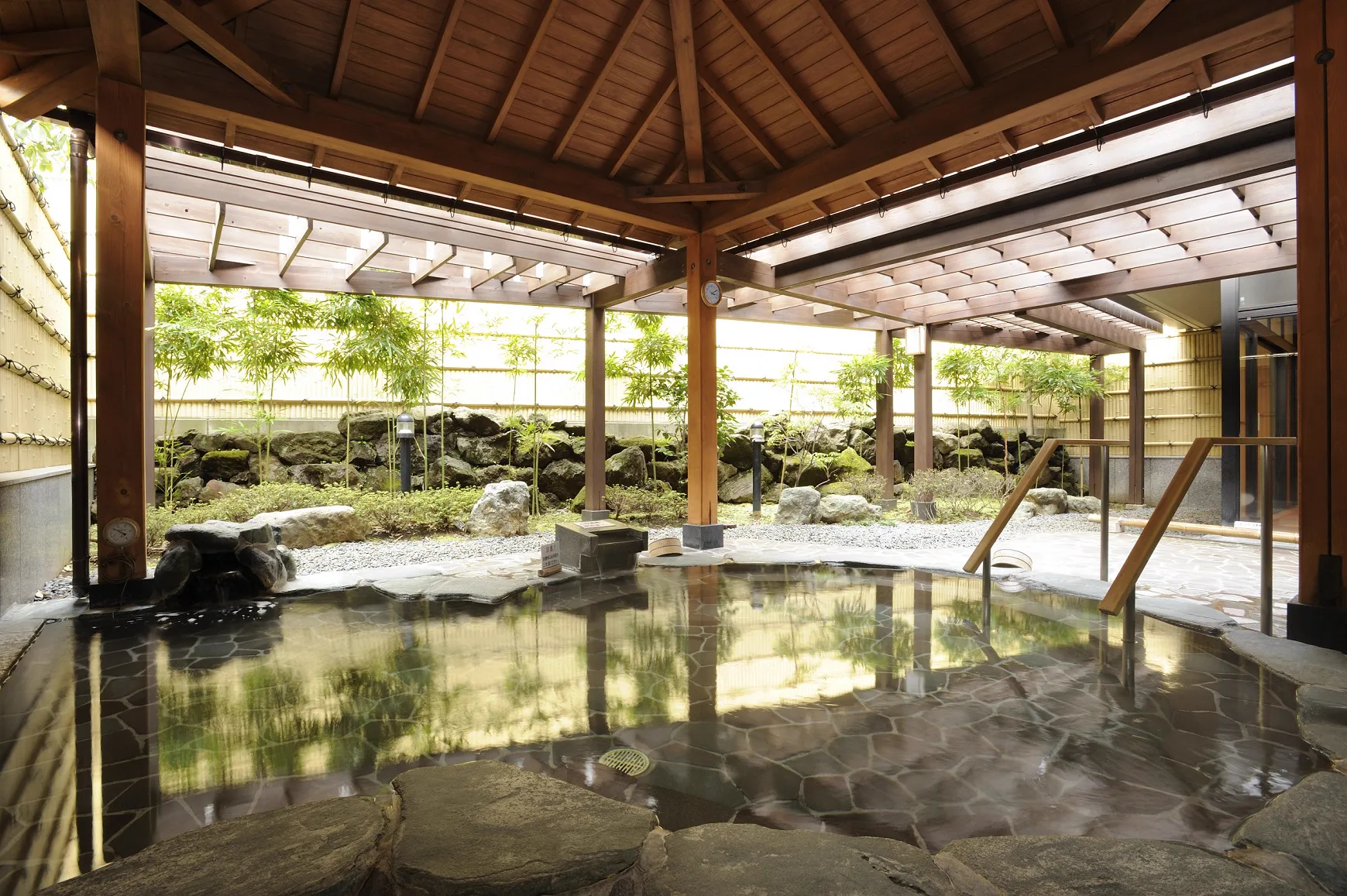
Hadano No. 1 spring supplies the outdoor bath. The indoor and private baths use Tsurumaki Sen-no-yu, also known as source No. 24. Both are classified as weakly alkaline calcium-sodium chloride springs.
Current bath-by-bath temperatures and water-treatment details are not published, and the facility does not make a whole-building claim that every bath is 100% free-flowing spring water. The roughly 40°C figure sometimes associated with the site belongs to the separate outdoor footbath, not the bathing pools. That footbath is free and generally open from 10 a.m. to 5 p.m., except on closure days.
Booking the private Tsurunoyu bath
Tsurunoyu has indoor and outdoor bathing areas and costs ¥1,000 per room for one hour, in addition to each person’s admission fee. There are nine daily sessions, starting at 10:10 a.m. and ending with a 7:30 p.m. slot. Phone bookings open on the first day of the month before your visit.
Individuals, families and same-gender groups can use the room; mixed-gender groups who are not family members are not accepted. A baby bath, bath mat, grab rail and bathing wheelchair can be requested when booking. Diaper users cannot use the tubs. Tattoo policy: Unconfirmed; contact the facility before booking if it affects your visit.
A short walk from the station, with one parking catch
For a hike-day visit, the station walk avoids adding a mountain shuttle to the final leg. Parking costs ¥150 for the first hour, then ¥100 for each additional 30 minutes, with no daily cap. The train is simpler for a bath-only visit; driving makes more sense when it fits the rest of your route.
The free rest hall has 120 mats. The restaurant serves from 11 a.m. to 7:30 p.m., with last orders at 7, so a late visit may leave little time to eat before it closes.
For a wider choice of day-use baths, compare the Kanto onsen guide for Tokyo day trips and the Kanto onsen guide without a car. If you are choosing between two Hakone facilities, see Hakone Yuryo vs Tenzan.
Sources
- Hadano City: [Kobo-no-Satoyu hours, admission, facilities and rules](https://www.city.hadano.kanagawa.jp/kanko/onsen/2674.html) and [Tsurumaki Onsen spring information](https://www.city.hadano.kanagawa.jp/kanko/onsen/3687.html) - [Odakyu Tsurumaki-Onsen Station](https://www.odakyu.jp/station/tsurumaki_onsen/) - Visitor accounts used only to assess crowding: [Nifty Onsen reviews](https://onsen.nifty.com/tanzawa-onsen/onsen004944/kuchikomi/) and [Jalan review](https://www.jalan.net/kankou/spt_14211cc3360155634/kuchikomi/0000843399/) - Exterior photo: [Suikotei on Wikimedia Commons](https://commons.wikimedia.org/wiki/File:Tsurumaki_Onsen_Kobo-no-Satoyu.jpg), CC BY-SA 4.0Checked: September 27, 2026