Kyoto Day-Use Onsen: Five Baths, Five Different Reasons to Go
Five natural hot springs around Kyoto vary in location, water source, visit time and restrictions. Use the shortlist to plan a route, not rank baths.
Kyoto’s day-use hot springs are spread across the city, so choose one near the places you plan to visit. Tensho-no-yu Daimon is a low-cost option in western Kyoto; Chikara-no-yu is near Takeda in the south, though its spring water is trucked in from Joyo.
Nizaemon-no-yu has two source baths at different temperatures. Tenzan-no-yu suits a longer stop in Sagano. Kyoto Takenosato Manyo-no-yu has two on-site springs, plus dining and rest areas.
| Bath | Best fit | Adult admission | What changes the decision |
|---|---|---|---|
| Tensho-no-yu Daimon | A short visit in western Kyoto | ¥550 | Natural spring water is used in the outdoor bath; the operator describes it as free-flowing. |
| Fushimi Chikara-no-yu | Takeda and southern Kyoto | ¥850 weekdays; ¥950 weekends and holidays | The spring water comes by tanker from Joyo; last admission is 30 minutes before closing. |
| Nizaemon-no-yu | Comparing two spring sources | ¥900 weekdays; ¥1,050 weekends and holidays | The two source baths are listed at 46.6°C and 26.2°C; these are source temperatures, not a promise about bathing temperature. |
| Sagano Onsen Tenzan-no-yu | A longer stop after Sagano | ¥1,200 weekdays; ¥1,300 weekends and holidays | Re-entry to the baths is allowed while you remain inside; last admission is 11 p.m. |
| Kyoto Takenosato Onsen Manyo-no-yu | Half a day or longer | ¥2,730, plus ¥100 bathing tax | Two on-site springs feed designated baths; food and other extras cost more. |
Prices and schedules were checked against official and public tourism pages on September 28, 2026. Tattoo rules for four facilities are unconfirmed; ask the bathhouse directly if that affects your visit.
Choose by route, then by the water
Tensho-no-yu Daimon: a short bath at the public-bath price
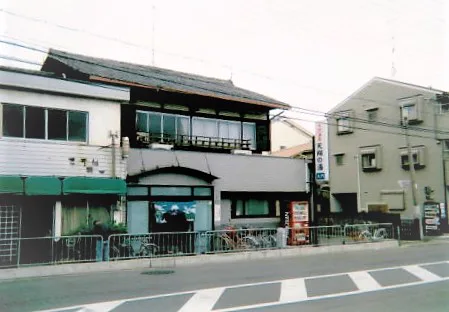
Tensho-no-yu Daimon is a traditional neighborhood sento in Ukyo Ward. The Kyoto Tourism Federation lists adult admission at ¥550 and hours of 3 p.m.–midnight, with Tuesday as the closing day. The association describes the outdoor bath as using natural hot-spring water from a free-flowing source. That description applies to the outdoor bath; it should not be stretched to every pool in the building.
This is the practical pick if you are already near Nishikyogoku or Nishi-Oji and have about an hour. It is not a reason to cross Kyoto from the opposite side of the city.
Fushimi Chikara-no-yu: easiest from Takeda, but not a local spring
Chikara-no-yu is about a five-minute walk from Takeda Station’s west exit 2. Its current rate is ¥850 on weekdays and ¥950 on weekends and public holidays. Hours are 10 a.m.–11 p.m. Sunday through Thursday and until midnight on Friday and Saturday; last bathing admission is 30 minutes before closing. Tattoos, including fake tattoos, are not accepted under the posted admission rules.
The facility says its natural spring water comes from Joyo and is transported to the bathhouse. If an on-site source is essential, choose another facility. If you are already in southern Kyoto, the location and broader bathing facilities may matter more.
Nizaemon-no-yu: two source baths, not two guaranteed bathing temperatures
Kyoto Prefecture’s tourism listing describes two free-flowing source baths: Jin-no-yu at 46.6°C and Ichi-no-yu at 26.2°C. Those figures refer to the sources. They do not tell you exactly how warm either bathing pool will feel on a particular visit. The listing gives adult rates of ¥900 on weekdays and ¥1,050 on weekends and public holidays, and says the facility is open until 1 a.m., with last admission at 12:30 a.m. Sunday and public-holiday opening begins at 8 a.m.; other days begin at 10 a.m.
Choose Nizaemon-no-yu when the two-source setup is the point of the trip. From eastern Kyoto, the cross-city journey can outweigh that difference.
Tenzan-no-yu: allow time to use the whole building
Tenzan-no-yu is near Arisugawa Station on the Randen line. The operator lists hours of 10 a.m.–midnight, last admission at 11 p.m., and closure on the third Monday of each month (the following day if that Monday is a public holiday). Its current facility information describes a spring drawn from about 1,200 metres underground. The admission page allows repeat bathing while you stay in the building, which makes the bath more useful if you plan to eat or rest between soaks.
If you only want a quick bath beside Hankyu Arashiyama Station, Fufu no Yu is closer to that station. Tenzan is a separate stop in Sagano, not a bath beside the Togetsukyo Bridge.
Kyoto Takenosato Onsen Manyo-no-yu: budget for a longer stay
The operator lists weekday adult admission at ¥2,730, plus a ¥100 bathing tax. The facility has two on-site springs of different compositions and says the natural water is supplied to designated baths; other pools should not automatically be counted as spring baths. Food, bedrock bathing and other additions may raise the total.
This is the most expensive option in the comparison. It makes more sense if you have several hours to use the bathing, dining and rest facilities than if you only want a brief rinse and soak.
Tattoo rules and access are facility-specific
Chikara-no-yu bars guests with tattoos or fake tattoos. The other four baths do not publish a clear rule, so ask each facility before visiting if you have a tattoo. One bathhouse’s policy does not apply to the others.
For dedicated details, see Chikara-no-yu in Fushimi or the broader Kyoto natural-spring sento guide. For a different kind of visit in the mountains north of the city, ASOBIYUKU Kyoto Rurikei Onsen combines a separate-gender bath with a swimsuit area and pool.
Sources
- Kyoto Tourism Federation: Tensho-no-yu Daimon
- Fushimi Chikara-no-yu: admission and rules
- Fushimi Chikara-no-yu: access and hours
- Kyoto Tourism Federation: Nizaemon-no-yu
- Sagano Onsen Tenzan-no-yu: access and hours
- Sagano Onsen Tenzan-no-yu: baths and spring
- Kyoto Takenosato Onsen Manyo-no-yu: facility information
- Kyoto City: permitted hot-spring facilities
Checked: September 28, 2026. Hours, fees and facility rules are subject to change. Verify on each operator’s current page before visiting.