Chikara no Yu in Fushimi: A Natural-Spring Day Bath Near Takeda Station
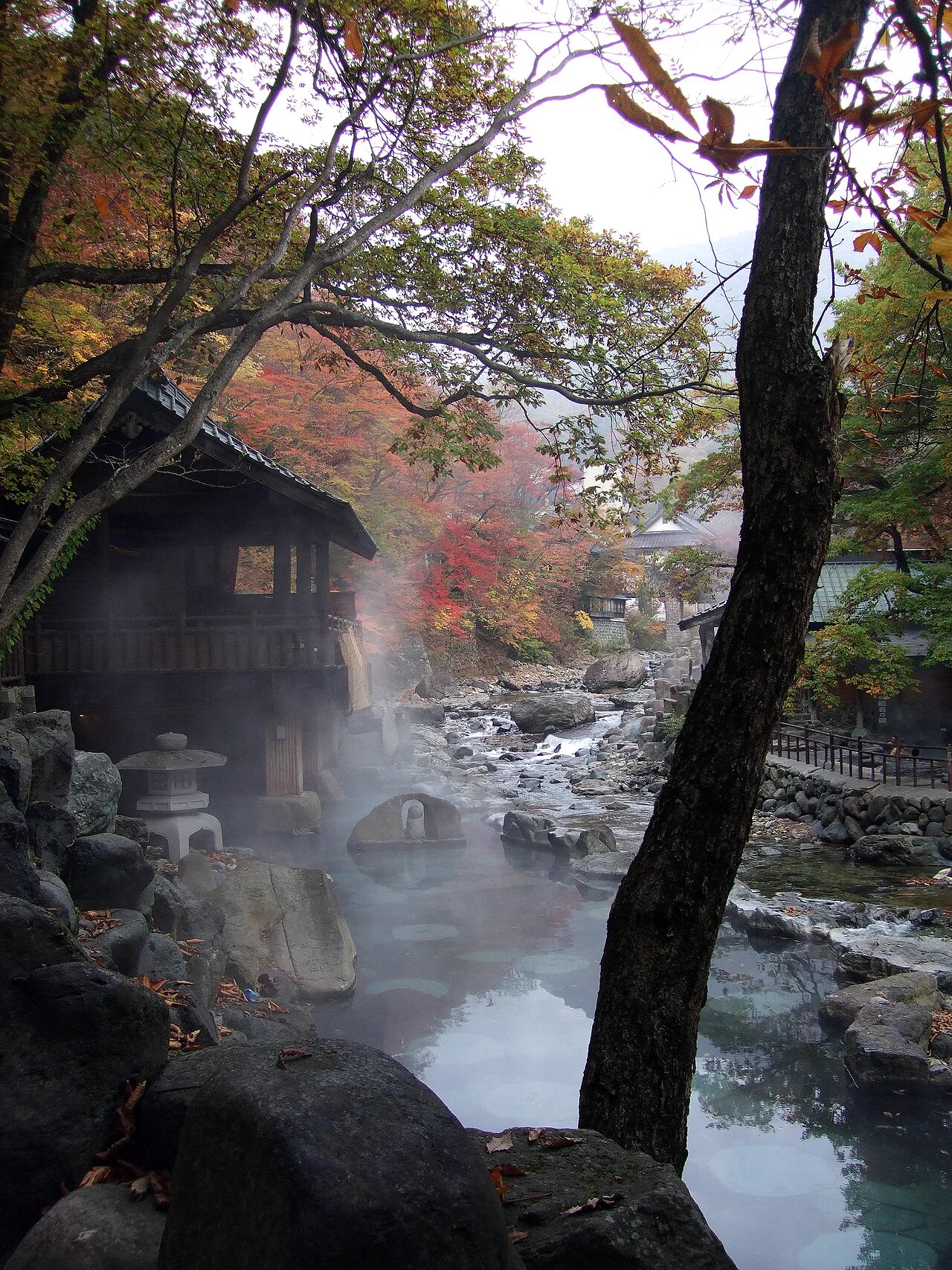
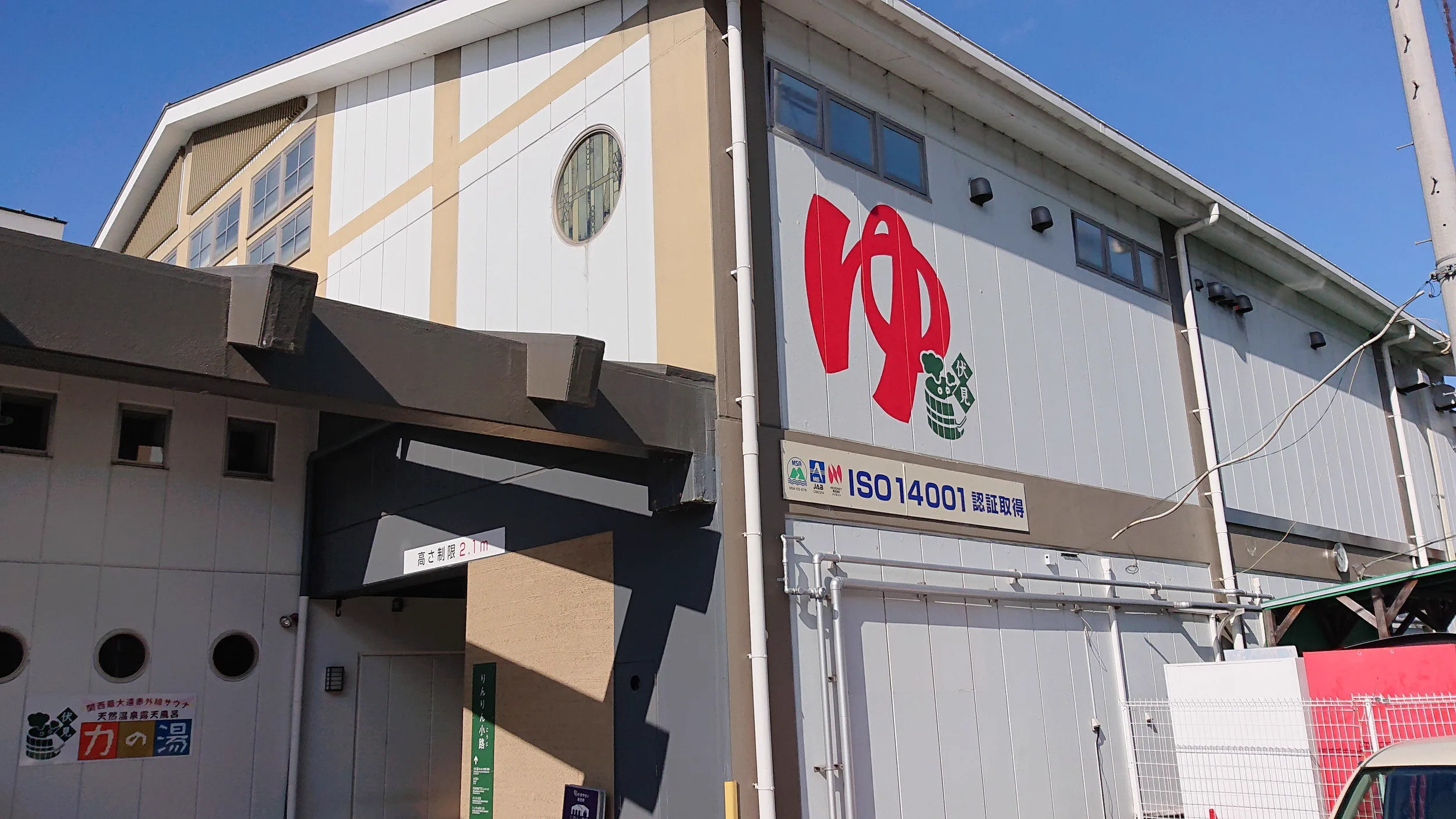
Chikara no Yu's outdoor bath and saunas are a 5-minute walk from Takeda Station.
Chikara no Yu works well after time in Fushimi or on the way back through southern Kyoto. It has the range of a larger day spa, with baths, saunas and an on-site restaurant, while the station walk is manageable. The spring water arrives from Kyoto Joyo Onsen by tanker; the outdoor bath is heated at the facility.
Which baths use natural spring water?
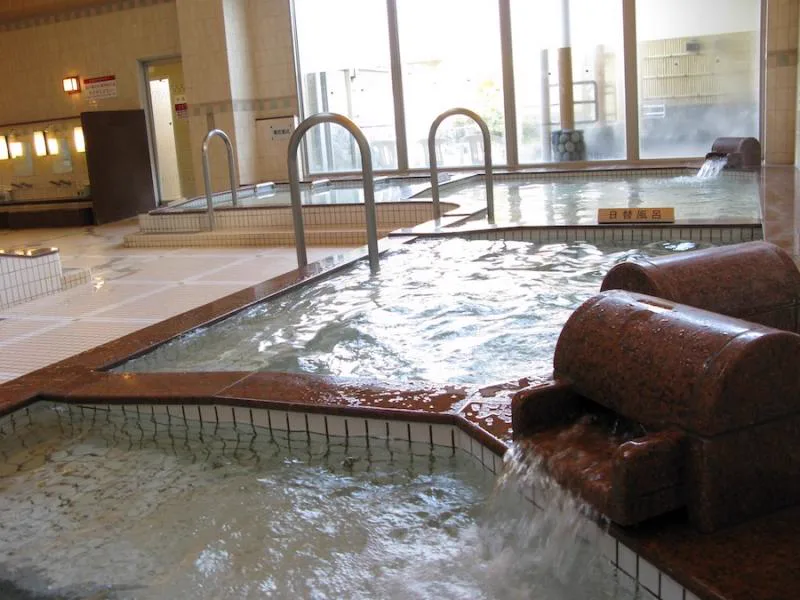
One outside pool is filled with mineral water trucked in from Kyoto Joyo Onsen. The source is a sodium bicarbonate–chloride spring at 31°C; Chikara no Yu warms it to roughly 41°C before it reaches bathers. The rest of the tubs use other water.
There are 11 bath types in all. The cold plunge sits at 17–18°C. A second, warmer pool, usually 26–29°C, makes for a less abrupt cool-down and is occasionally repurposed for events. Both bathing areas have far-infrared and mist saunas; women also have a low-temperature salt sauna.
Admission, towels and the hot-stone lounge
| Admission | Weekday | Weekend or public holiday |
|---|---|---|
| Adult, junior high school age and older | ¥850 | ¥950 |
| Elementary school | ¥400 | ¥450 |
| Age 3 to preschool | ¥250 | ¥300 |
| Under age 3 | Free | Free |
Wash products are stocked at the shower stations. Reception rents a towel bundle for ¥330 and sells face and bath towels separately. Two adult weekend tickets come to ¥1,900, before adding a towel or a meal.
Women can add the hot-stone lounge for ¥600. Its 14 beds are available from quarter to eleven in the morning until half past nine at night, with no booking needed. The lounge ticket is separate; the bathing areas and saunas are part of the regular visit.
Access and closing times
Takeda is served by both the Kintetsu Kyoto Line and the Karasuma Subway Line. From west exit 2, the walk takes around five minutes. The car park holds 160 vehicles, and Kyoto-Minami interchange is roughly a five-minute drive away.
Doors open at 10 a.m. On Sunday–Thursday the bathing area shuts at 11 p.m.; Friday and Saturday it stays open to midnight. The ticket window closes half an hour ahead of either cutoff. The stone lounge wraps up at 9:30 p.m. Set aside two or three hours for a bath, changing and sauna time, with a longer stop if dinner is on the plan.
Guests visiting the restaurant, massage rooms or barber can arrange to return through reception before exiting the bathing zone. That arrangement does not cover an excursion beyond the building. Tattoos bar entry, including temporary ink and imitation designs. Babies who still wear diapers are allowed; the bathing water is chlorinated.
Fitting it into a Kyoto visit
This is a practical stop if your plans already bring you south. For neighborhood baths nearby, compare the Fushimi sento guide and Kyoto’s central sento options. Travellers arriving by rail can also use the Kyoto Station sento guide to find a bath closer to the city centre.
If spring water is the reason for your visit, see how natural onsen water is identified at Kyoto sento. For a different day-spa format, compare Kyoto day-use onsen and super sento or the open-air bath options. The Kyoto sauna sento guide focuses on sauna facilities, while the Kyoto sento directory covers smaller baths across the city. If admission and add-ons are your main concern, the Kyoto sento price guide explains the standard ¥550 public-bath fare.