Sento in Ukyo and Nishikyo: Choose by Route, Bath Type and Hours
Compare nine sento across Ukyo and Nishikyo by neighborhood, opening hours, sauna and natural spring water. Includes Sunday morning and late-night options.
Ukyo and Nishikyo cover several distinct bath trips: a natural hot spring in Nishikyogoku, Sunday morning bathing in Uzumasa, a late bath in Saiin and a neighborhood sento in Katsura. The Kyoto Sento Association’s Japanese directory lists nine baths across the two wards; its English category page shows a different count. The selections below follow the Japanese directory.
First, be clear about the water
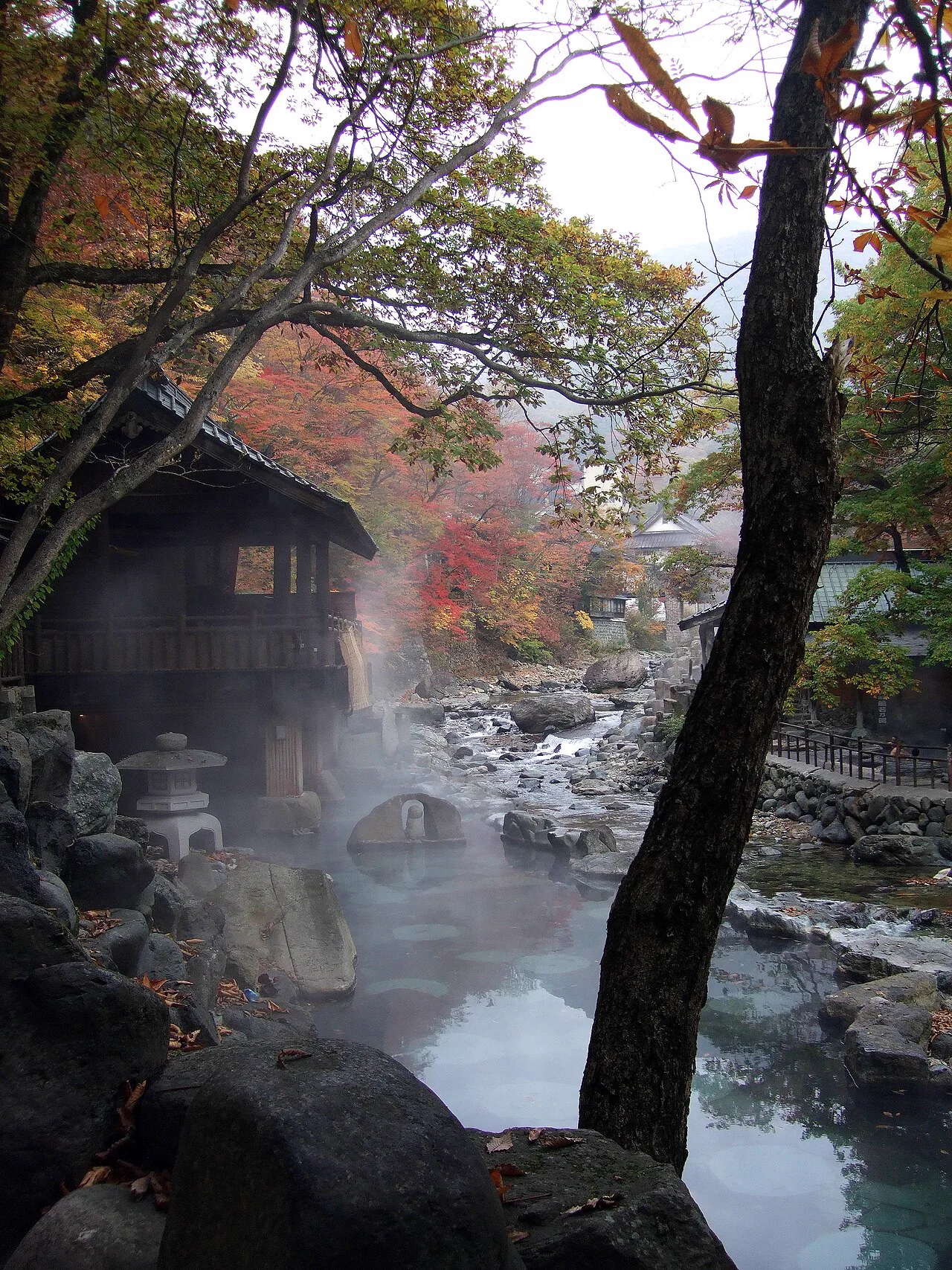
If you specifically want a legally classified natural hot spring, start with Tensho-no-yu Daimon in Nishikyogoku. Its outdoor bath uses sodium-chloride spring water, with source flow-through described in the official Kyoto tourism listing. Do not assume that this applies to every bath in the building.
Uzumasa Onsen and Asahi-yu in Saiin describe groundwater as part of their appeal. That is not the same as a natural hot spring. Yashiro-yu’s listing describes an artificial carbonated bath and soft water, while Kyogoku-yu, Kotobuki-yu and Yamanouchi-yu have ordinary outdoor-bath options. The distinction matters if you are choosing for the water itself; for a neighborhood soak, location and hours may matter more.
For access and current hours, use the association’s Tensho-no-yu Daimon listing. The wider Kyoto natural-onsen guide compares spring water with groundwater and artificial baths.
Which part of the wards are you in?
| Your route | Bath to check | The practical detail |
|---|---|---|
| Saiin | Asahi-yu | Opens at 2:15 p.m., closes at 12:30 a.m.; closed Fridays. The listing includes towel rental. |
| Uzumasa | Uzumasa Onsen or Yashiro-yu | Uzumasa Onsen has a separate Sunday 7–11 a.m. session and closes the first and third Wednesday. Yashiro-yu opens at 6 a.m. on Sundays and public holidays, and closes Wednesdays and Thursdays. |
| Nishikyogoku | Tensho-no-yu Daimon or Kyogoku-yu | Choose Daimon for the documented natural spring; Kyogoku-yu for an outdoor bath and sauna without the spring requirement. |
| Yamanouchi | Kotobuki-yu or Yamanouchi-yu | Both have an outdoor bath and sauna; Kotobuki-yu is closed Monday, Yamanouchi-yu Tuesday. |
| Katsura | Katsura-yu | A local option with dry and mist saunas, but it closes at 10 p.m. and is shut Mondays and Tuesdays. |
| Saga | Rokuo-yu | A basic neighborhood bath, open until 10 p.m.; closed Sundays. |
The table is a route filter, not a ranking. If your hotel or last stop is in Katsura, travelling to Saiin for a later closing time may cost more time than it saves.
Morning bathing: two different Sunday plans
Yashiro-yu opens at 6 a.m. on Sundays and public holidays, then its regular afternoon-to-midnight session runs on other days. It is closed Wednesday and Thursday. Uzumasa Onsen has a separate Sunday morning session from 7 to 11 a.m.; its normal hours are 3 p.m. to midnight, and it closes on the first and third Wednesday of the month. Do not read the morning session as continuous 7 a.m.–midnight opening.
Uzumasa Onsen also describes its water as groundwater from the Atago mountain area, heated slowly with firewood. That is a local water-and-heating detail, not a natural-hot-spring classification. For other early options around Kyoto, use the citywide morning sento guide.
Late soak or open-air bath?
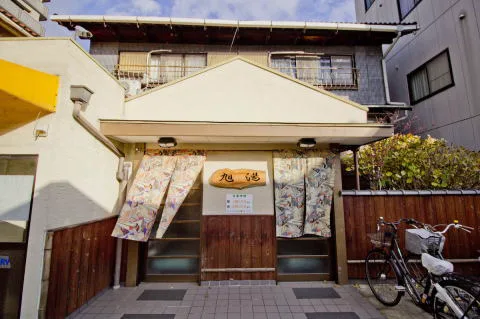
Asahi-yu in Saiin is the clearest late option here: its current Japanese listing gives 2:15 p.m.–12:30 a.m., with Fridays off. The association says it offers a free basic bath set with a towel and washing items; confirm what is included when you arrive. Its groundwater source should not be confused with the legally defined natural spring at Tensho-no-yu Daimon.
For an outdoor bath and sauna, Kyogoku-yu is listed until 11 p.m. and closed Mondays. Kotobuki-yu in Yamanouchi is also listed with an outdoor bath and sauna, closes at 11 p.m. and is shut Mondays. Yamanouchi-yu has the same closing time but is closed Tuesdays. Check the exact location: the two Yamanouchi choices are close enough to compare by your route, while Nishikyogoku is a separate trip.
Tensho-no-yu Daimon’s Japanese listing currently gives 3 p.m.–midnight, with Tuesdays off. Older translated pages still show earlier opening or a 1 a.m. close. Use the current Japanese listing for planning rather than carrying those older hours forward.
When a simpler local bath is enough
Katsura-yu works well if you are staying near Katsura and want both dry and mist sauna options. Its 3–10 p.m. hours leave less room for a late dinner; Monday and Tuesday are closing days. Rokuo-yu in Saga has a more basic facility listing and closes at 10 p.m., with Sundays off. It is a local bathing option, not a substitute for the natural onsen facilities around Arashiyama; see the Arashiyama onsen comparison for that separate decision.
Kyoto’s standard adult sento charge is ¥550, but towels and extras vary by bathhouse. The association’s current directory for Ukyo and Nishikyo has current Japanese listings and closure notices. The association’s English category page may not match its current Japanese count or schedule, so verify the individual Japanese listing if hours are central to your plan.