Kyoto Sento and Natural Spring Water: What the Records Show
Kyoto sento spring claims: official records, legal criteria and source per bath.
Among Kyoto’s neighborhood sento, Tensho-no-yu Daimon has the clearest official record for natural spring water. Kyoto Prefecture identifies its source and sodium-chloride classification; the Kyoto Tourism Federation specifies that the outdoor bath uses the spring as a free-flowing source. That evidence applies to the named source and that bath. It is not a claim that every pool at the facility is supplied in the same way.
Other Kyoto baths use groundwater or an artificial mineral bath, while some publish no spring analysis. The word “Onsen” in a business name does not settle the question. The useful evidence is a source name, an official classification or analysis, and a description linking that source to a particular bathing pool.
What the official records establish
| Evidence in the record | Kyoto example | Supported description |
|---|---|---|
| Spring source and classification, with bath use described | Tensho-no-yu Daimon | Sodium-chloride spring used in the outdoor bath. |
| Artificial bath material described by the operator | Tron Onsen Inari-yu | Artificial Tron bath; its groundwater cold bath is a separate pool. |
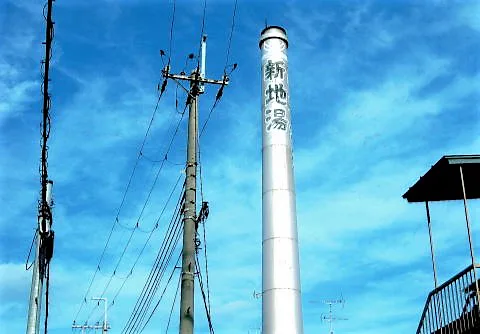
| Groundwater identified, without spring classification | Uzumasa Onsen, Daitokuji Onsen, Higashiyama-yu Onsen, Shinchi-yu and Hinode-yu in Maizuru | State the groundwater detail and the bath it applies to. |
| No current public spring analysis identified for the named facility | Imomatsu Onsen, Omiya Onsen, Kinugasa Onsen, Taisei Onsen, Murasakino Onsen and Ryugu Onsen | The available name or feature description does not establish natural spring water. |
These records answer a water-source question, not whether a particular bathhouse is enjoyable or well equipped. Sauna, outdoor bathing, late hours and proximity may be more useful filters for an evening visit. The Kyoto sento directory, Ukyo and Nishikyo baths and Sakyo sento by neighborhood help with those decisions.
The legal test is about the source
Japan’s Ministry of the Environment says a natural onsen must emerge from underground and meet a statutory temperature or mineral-content criterion. The temperature route is at least 25°C at the source. Water below that mark may still qualify if it contains one of the listed substances at the specified concentration.
That definition keeps several common descriptions distinct. Groundwater is a source, but the word alone does not establish an onsen classification. Heating groundwater with firewood describes how a bath is prepared; it does not change its source. “Kakenagashi” describes water flow, not its chemistry. An outdoor bath, a medicinal bath or the word “Onsen” in a facility name is not a spring analysis.
The Kyoto Prefecture source register is useful because it lists source names, classifications and public-bath supply for registered waters. The Ministry’s display rules also explain why a spring notice should identify its analysis date and source. When a facility describes only one pool, keep the statement attached to that pool.
Three different examples in practice
At Tensho-no-yu Daimon, the prefectural register names Tensho-no-yu and classifies it as sodium-chloride water. The tourism listing identifies the outdoor bath as the free-flowing spring bath. Its current listing gives ¥550 adult admission, a 3 p.m.–midnight session, Tuesday closure and directions from the west side of Kyoto. See the Tensho-no-yu guide or Kyoto day-use onsen shortlist for route context.
Uzumasa Onsen describes groundwater from the Atago-yama area and says it is heated slowly with firewood. Daitokuji Onsen also identifies groundwater. Higashiyama-yu Onsen describes its cold plunge as flowing groundwater; that statement is specific to the cold bath. Shinchi-yu connects its groundwater to the Fushimi area. None of those source descriptions should be converted into a natural-spring classification without the corresponding analysis.
Tron Onsen Inari-yu illustrates why pool-level detail matters: its operator describes an artificial Tron bath and separately identifies groundwater for the cold bath. The Kyoto station sento guide, Kamogawa-yu first-visit guide and Uji, Joyo and Muko bath guide cover neighborhood baths where other practical features may lead the choice.
Choose what matters for your visit
If natural spring water is essential, start with Tensho-no-yu Daimon and identify the outdoor spring bath in the facility description. If the source story interests you, Uzumasa or Daitokuji offers a documented groundwater detail, while Inari-yu separates its artificial Tron pool from its groundwater-fed cold bath.
For a broader shortlist, compare the Kyoto day-use onsen guide, Tenzan-no-yu in Sagano, Fushimi Chikara-no-yu guide, Kyoto budget sento guide and Kyoto sauna sento guide. Each facility has its own hours, price and entry conditions, so use the operator’s page for the detail that affects your plan.
