Kyoto Sento with Outdoor Baths: Which One Fits Your Schedule?
Kyoto sento with outdoor baths: compare hours, facilities and locations by area.
The Kyoto Sento Association’s outdoor-bath filter currently returns 18 facilities, including baths outside Kyoto City. For a city visit, narrow the choice by opening time and area. The directory tag indicates that an outdoor bath is listed; it does not promise a view, a garden setting or a natural hot spring.
Sunday morning, central and western Kyoto
| Bathhouse | Morning opening | Regular close / weekly closure |
|---|---|---|
| Gokoyu | Sunday 7 a.m.; public holidays 11 a.m. | 12:30 a.m. weekdays; midnight Sunday/holidays; Monday and third Tuesday |
| Komachi-yu | Sunday 7 a.m. | 1 a.m.; Tuesday |
| Hakusanyu Rokujo | Saturday, Sunday and public holidays 7 a.m. | Midnight; Wednesday |
Gokoyu is near Omiya-Gojo; Komachi-yu is in Nishishichijo. Hakusanyu Rokujo suits the Gojo and Kyoto Station area. The station-area sento guide can help if you are staying near the main rail hub. Gokoyu’s facility profile covers its separate bedrock-bath booking and add-on prices.
Weekend mornings in the north
Yamashiro Onsen opens at 8 a.m. on Saturdays, Sundays and public holidays, then closes at 1 a.m.; the association lists no regular day off. Funaoka Onsen opens at 8 a.m. Sunday and closes at 11:30 p.m.; it is closed Tuesday. Both sit in northern Kyoto, so they fit better with plans in the same area than with a cross-city detour from the station.
| Late option | Hours in the Japanese listing | Regular closure |
|---|---|---|
| Monzen-yu | Weekdays 9 a.m.–noon and 3 p.m.–2 a.m.; Sunday 9 a.m.–2 a.m. continuous | Thursday |
| Murasakino Onsen | 3 p.m.–2 a.m. | Wednesday |
| Murasaki-yu | 3 p.m.–1 a.m. | Monday |
The association’s English Murasaki-yu page gives a 12:30 a.m. close. If you plan to arrive late, verify the time with the bathhouse.
The Kyoto late-night sento guide compares closing times and return-trip planning. The morning sento schedule covers additional early sessions, including baths without an outdoor tag. Check the Kita Ward guide if you want to keep the trip north; the central Kyoto guide focuses on baths closer to the city center.
What the outdoor-bath tag does not establish
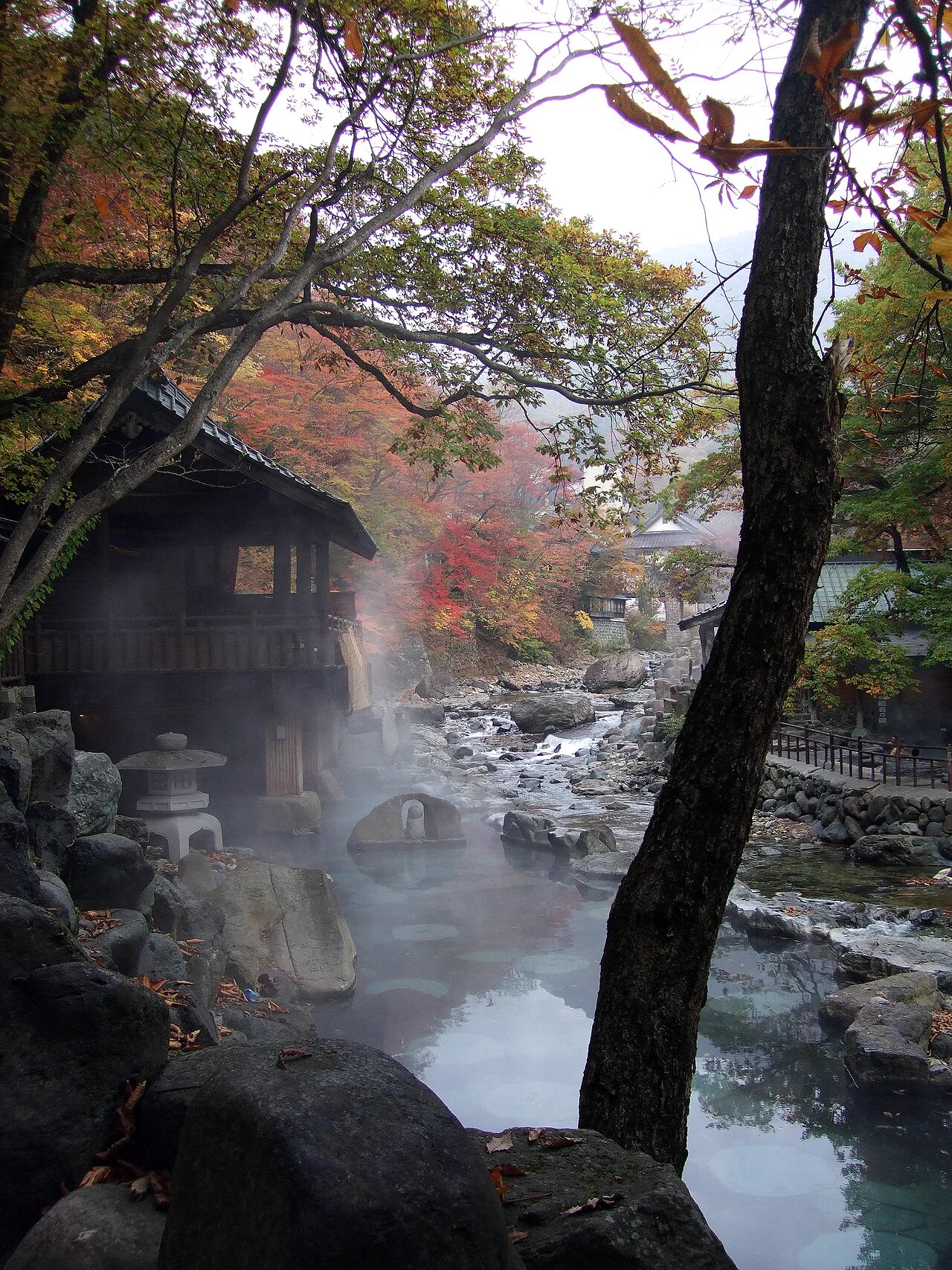
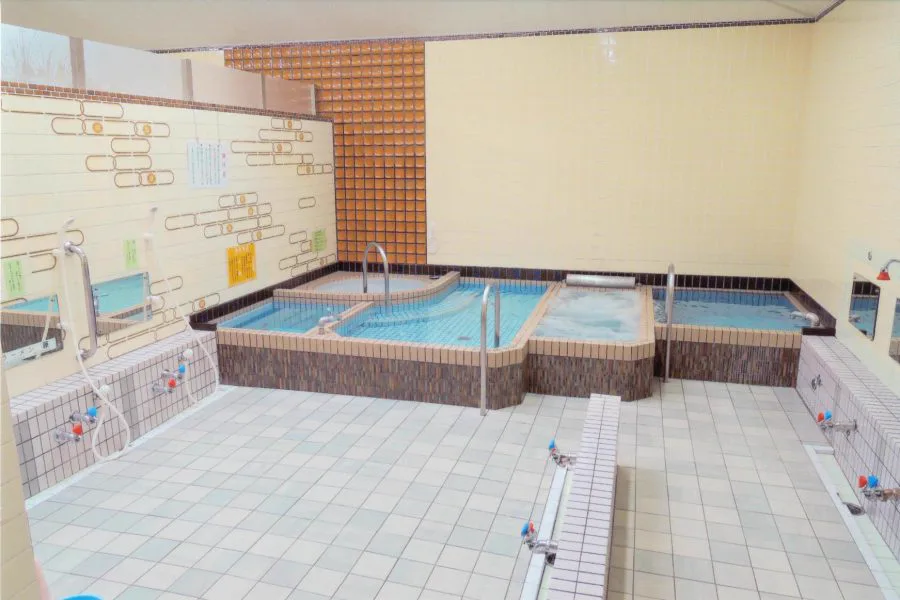
An open-air tub can be part of an enclosed neighborhood bathhouse. The directory does not describe the view or guarantee that both sides of a gender-separated bath have identical features. It also does not establish hot-spring status. A bathhouse with “Onsen” in its name may still use heated tap water or groundwater; check the source and analysis if natural spring water matters. The Kyoto natural-onsen explainer separates those claims.
Sauna and cold-bath tags are separate filters, so confirm those facilities on the individual page. The Kyoto sauna guide compares them; the first-visit guide explains basic sento etiquette. You can search all areas in the full Kyoto directory or choose by Fushimi and Sakyo Ward. If you need towels or wash products, check the arrive-without-a-kit guide.