Staying at Hoseikan in Tamatsukuri Onsen: Baths and Rooms
Choose a Hoseikan room by building and bath access, understand the Red Clay and Ruri rotation, and plan the shuttle from Tamatsukuri Onsen Station.
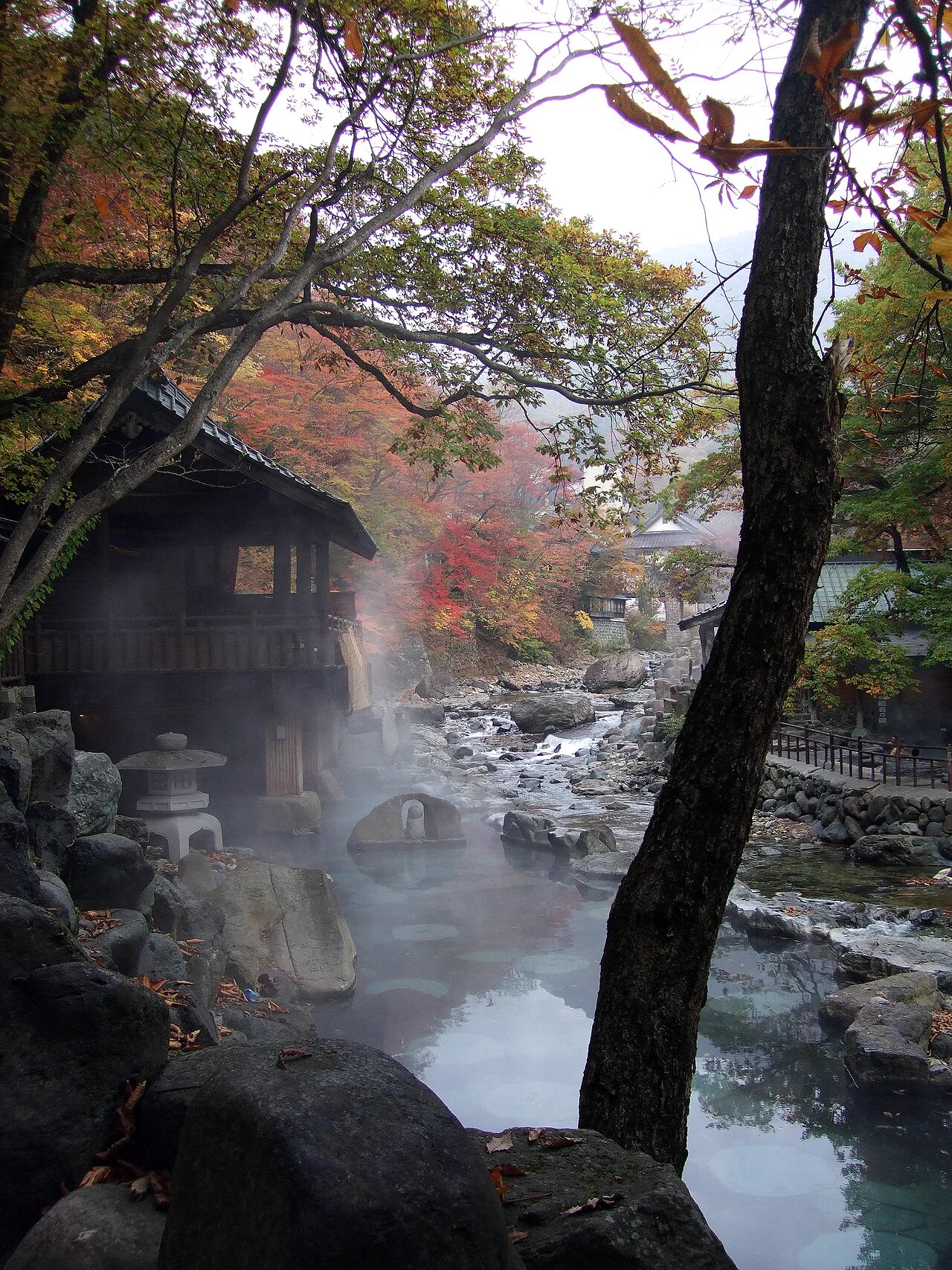
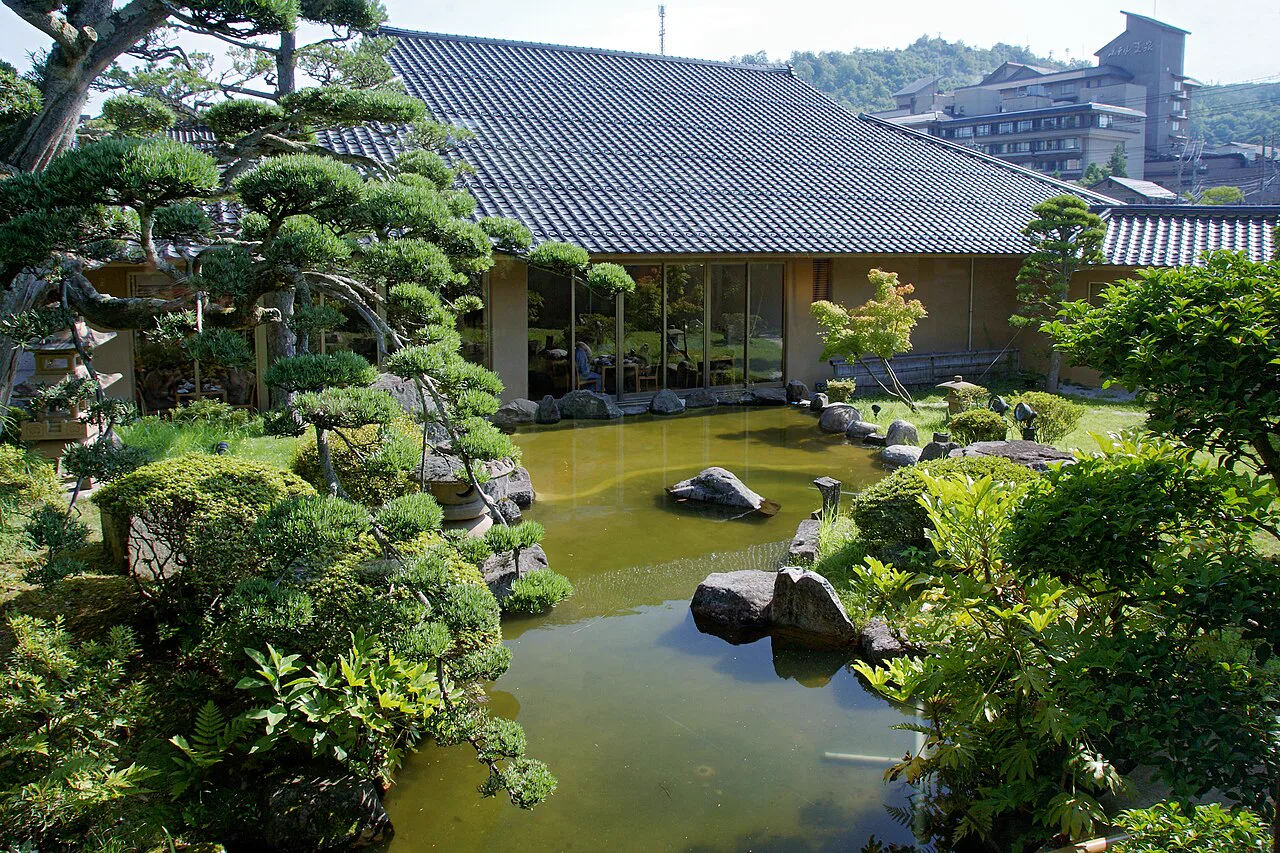
Hoseikan suits an overnight guest who wants two different communal baths and a traditional inn setting. The main decision is which building best fits the group and how much time to spend in the baths: the Red Clay bath has a garden-facing outdoor pool, while Ruri features large stones from Okuizumo. Both facilities change gender assignment between evening and morning, so a single visit may not show both interiors.
Plan the bath visits around the rotation
Red Clay sits on the first floor of Shosho-kaku; Ruri is in the basement of Takeju-kaku. The hotel lists both for use from 5:30 a.m. until midnight. Men’s and women’s bathing areas switch assignments overnight. A guest who wants to see both can bathe before bed, then return after the morning change.
Hoseikan’s source water is listed at 59.4°C and classified as a low-tonicity alkaline high-temperature spring. The inn adds water to lower the temperature and uses circulation, filtration and chlorine-based disinfection. It is not an untreated flow-through setup, and the property says the water is not drinkable. For terminology, compare spring classification and treatment with source and bath temperatures.
There is no listed private family bath. Couples or relatives who need to bathe together should book elsewhere or choose a room with a private bath at another inn. Hoseikan’s public information does not set out a tattoo policy; contact the property before reserving if that could affect use of the shared pools.
Match the room building to the group
Hoseikan has 56 rooms in three buildings. Standard rooms in Kajō-kaku are the straightforward option for parties of up to five. Takeju-kaku has rooms for smaller groups and places guests near Ruri. Yusen-tei and Koubai-kaku offer the traditional wooden architecture; their room bathrooms are not described as onsen-fed.
Yusen-tei also contains a registered cultural property built in 1931. The former imperial special room is available for viewing, not overnight booking. It is separate from the bookable guest rooms in Yusen-tei and Koubai-kaku, so check the exact room name on the plan rather than choosing by the building label alone.
Room rates vary by date and meal plan. Compare the same number of guests, cancellation terms and meal inclusions before judging which building costs more. Hoseikan rooms do not include an in-room spring bath; the Tamatsukuri stay-area guide helps compare locations and room types across nearby properties.
Reach the inn from the station
JR Tamatsukuri Onsen Station is about a 10-minute drive from Hoseikan. It is not a luggage-friendly walk into the hot-spring district. The hotel offers transport; arrange it with the property and confirm the pickup point and times for your arrival. A local bus or taxi covers the final leg if the shuttle does not fit your train.
For the larger stay decision, compare a Tamatsukuri overnight stay with a day trip, then use the Matsue–Izumo one-night route to place it between the castle and shrine. Access planning starts with the Izumo Airport transfer guide; nearby bathing options appear in the Tamatsukuri day-use guide and spring profile guide. For other Shimane stays, see the Matsue Ohashikan guide and the Izumo Taisha after-onsen route.
Sources and verification
- [Hoseikan official site: baths, rooms, access and cultural property](https://hmihotelgroup.com/ryokan-hoseikan/) - [Hoseikan official FAQ: bath hours, rotation, meals and station access](https://hmihotelgroup.com/ryokan-hoseikan/faq/index.php)Checked: October 30, 2026.