Hotel Daiheigen: a lower-cost base if its afternoon bath hours suit you
See when Hotel Daiheigen’s baths open, what its Moor onsen day ticket costs, and when staying overnight makes more sense than visiting for the afternoon.
Hotel Daiheigen is worth comparing when price matters and an afternoon bath suits your schedule. It is a poor match for an early arrival from Obihiro unless you have another plan for the gap before bathing.
For an overnight guest, the hotel makes more sense if you will use the bath around your stay rather than cross the district for one short soak. You can leave daytime sightseeing in Obihiro or the Tokachi countryside, arrive later, bathe and have dinner without planning a same-day return bus. Compare the room-and-meal total against that simpler schedule; low day-entry cost does not by itself mean the hotel is the cheapest overnight option.
What the day ticket tells you
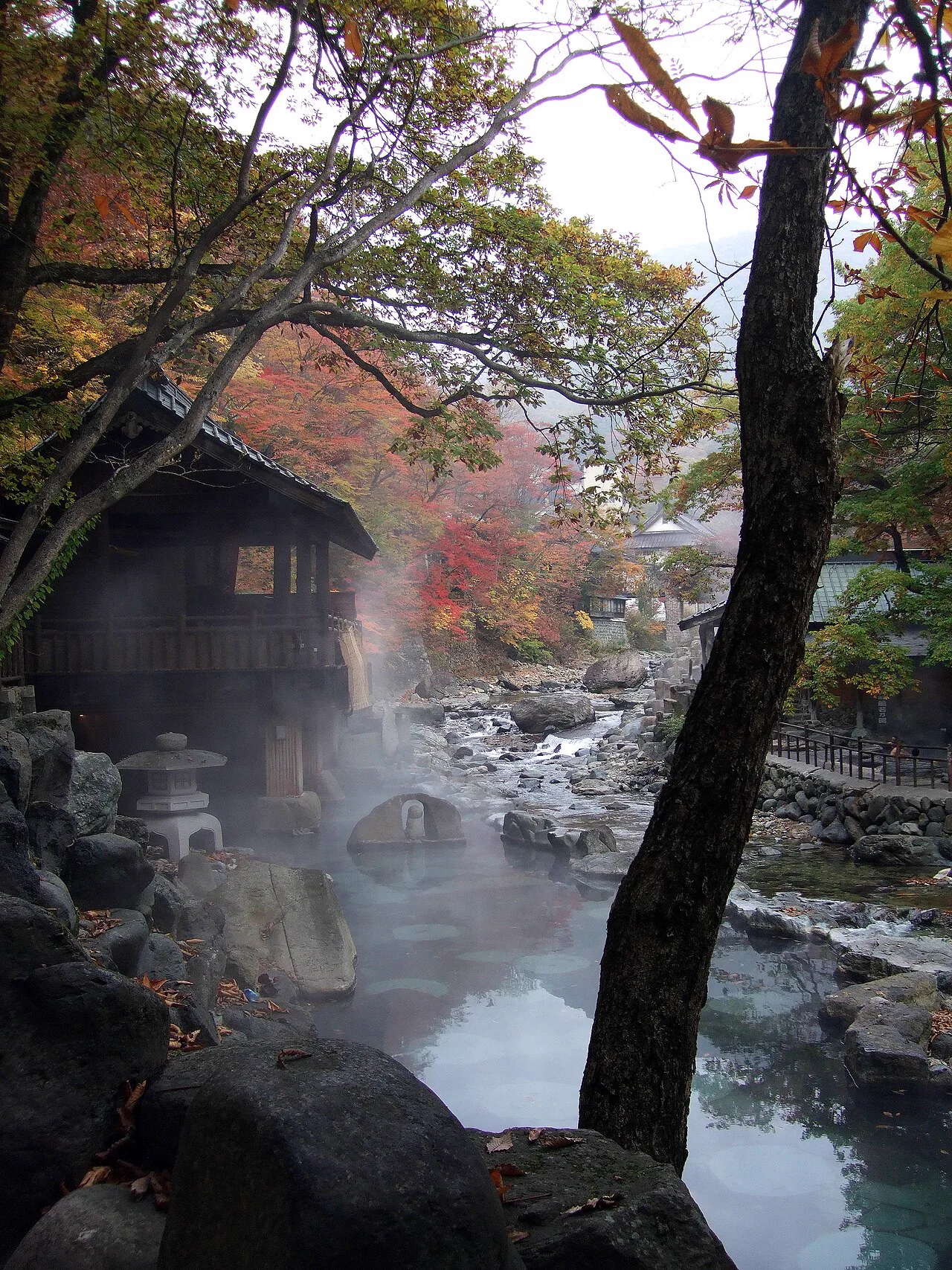
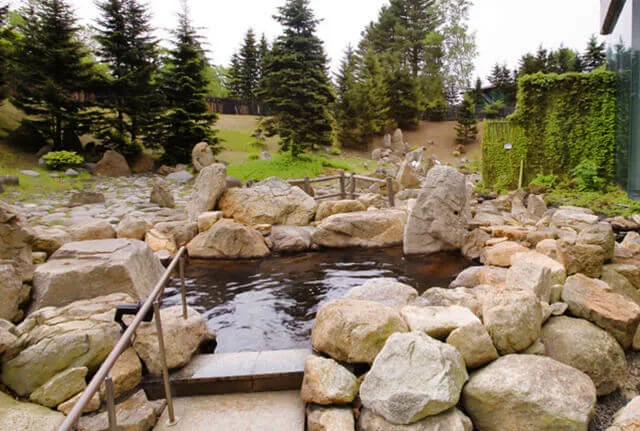
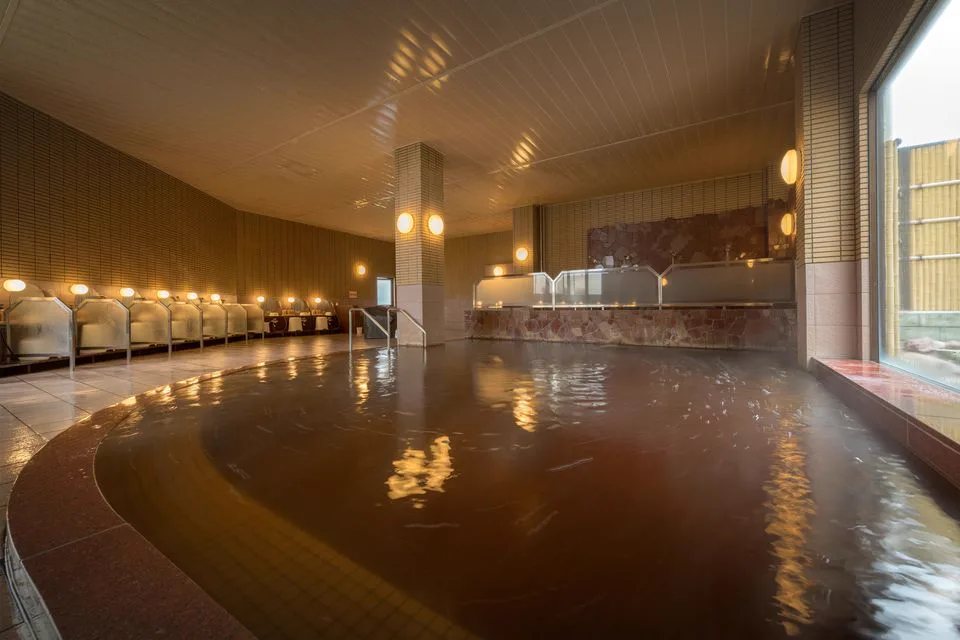
The hotel promotes Moor hot spring water and lists a range of baths and sauna facilities. The regional “Moor” label describes organic material in the water; it does not provide a single temperature or supply method for every bath. The association’s area guide identifies flowing Moor baths at Daiheigen, but does not publish a detailed treatment breakdown for every pool. Avoid treating a feature bath or sauna as a natural-water bath unless the hotel identifies it that way.
The base day ticket costs less than the listed admission at Tokachigawa Daiichi Hotel and Kangetsuen. It makes most sense when you can arrive after opening and stay long enough to justify the trip; a low entry fee loses its appeal if it means a long wait or a taxi between facilities.
Plan the transfer from Obihiro
Tokachi Bus Route 45 links Obihiro with the Tokachigawa area in roughly half an hour, but departures are spaced apart. Check the exact return before entering the bath. In winter, add time for snow and cold waits. The hotel’s own day-use timetable and the bus timetable should be planned together, not separately.
Choose Daiheigen for a price-conscious afternoon and a stay that leaves room in the budget for meals or other Tokachi stops. If you want a wider selection of pools, included towels or a river-facing morning soak, compare Daiichi Hotel and Kangetsuen. The four-season Tokachigawa guide covers weather and bus planning.
How the low price fits a real itinerary
| Day-use detail (2026 listing) | Published terms |
|---|---|
| Adult admission | ¥1,000 |
| Child admission | ¥500 |
| Towel set | ¥200 |
| Weekday hours | 3–9 p.m.; last reception usually 8 p.m. |
| Weekend / holiday hours | 1–9 p.m.; last reception usually 8 p.m. |
These are published hours, not a guarantee for a particular date; cleaning, repairs or busy periods can change admission. The association describes Daiheigen’s main Moor bath as free-flowing, but does not publish a treatment breakdown or fixed temperature for every feature pool.
Its strongest use is “one bath after the day out.” Spring thaw and winter snow both call for extra road and bus time; in summer, an outdoor stop can come first while daylight lasts. Families should check the room-to-bath route and children’s meal arrangements, while older guests may want to ask about steps and winter transfers. A low ticket is less useful if your return bus leaves before you have time to bathe and change.
The source guide’s seven-part ratings are editorial comparisons, not booking-site stars: bathing comfort 80, bath variety 90, upkeep 80, scenery 80, quiet 70, transit 85 and value 100. Value scores highest because the admission is inexpensive when an afternoon visit suits; it does not mean Daiheigen leads on every facility. Check guest-bath hours separately if staying overnight, since day-use hours do not define when hotel guests may bathe.