Roadside Station Ukiha, Ukiha Inari Shrine and Chikugogawa Onsen in One Day
Drive from Roadside Station Ukiha to Ukiha Inari, then Chikugogawa Onsen. Shop before produce sits in a hot car; transit makes all three stops difficult.
By car, the day flows naturally in this order: Roadside Station Ukiha, Ukiha Inari Shrine, then Chikugogawa Onsen. Buy produce before it has to sit in a warm car all day, leave time for the shrine’s steep approach, and finish with a bath. Without a car, trying to fit all three stops into one day can turn into a transport puzzle; choose the onsen first, then decide whether the market or shrine matters more.
The bath changes the schedule. Kuwanoya is the straightforward pick for a public outdoor bath, while Fukusenka has private sessions that start in the afternoon. Kiyonoya’s day-use family baths stop at 2 pm, so they need to come before a leisurely lunch or a long shrine visit.
A route that works by car
Start at Roadside Station Ukiha, which lists opening hours of 9 am–6 pm and 320 regular-car spaces. It is a useful first stop for fruit, vegetables and gifts; 45–60 minutes is usually enough if you are not sitting down for a full meal. Its facility page says the second Tuesday closure does not apply from July through September, while the general listing gives the ordinary monthly closure. Check for special closures on the day.
Next, drive to Ukiha Inari Shrine. Tourism information describes 94 vermilion torii gates climbing the hillside. Even a short visit includes the approach, steps, photos and walk back to the parking area; allow roughly 45–60 minutes for the main viewpoint. The road to the entrance is narrow, so follow local signs and do not assume that arriving at the map pin means parking is immediate. If anyone in the group has trouble with steep steps, this is the stop to skip.
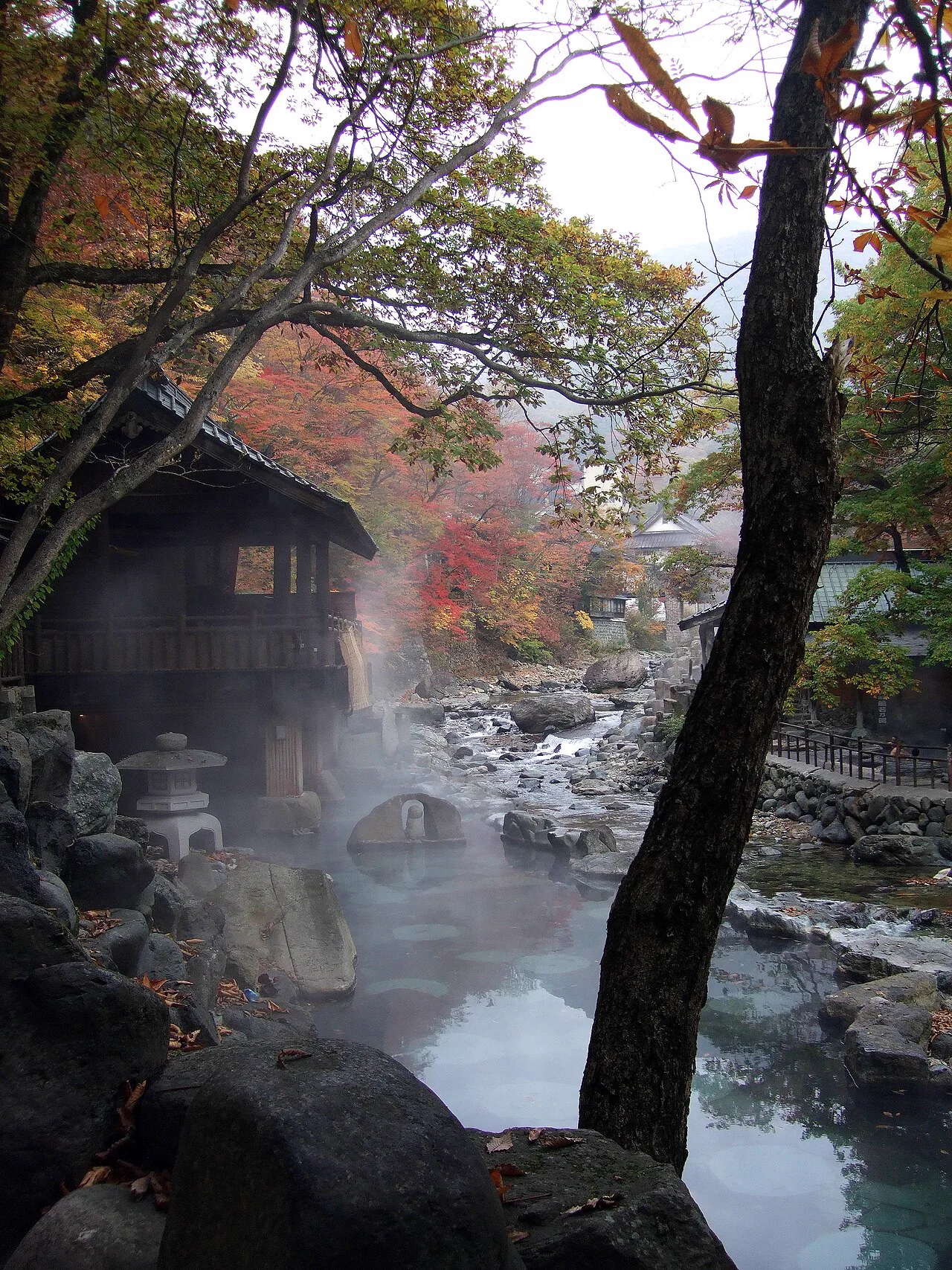
End at one bath in Chikugogawa Onsen. It is better to decide which bath you want before leaving the shrine than to arrive in the area and compare under time pressure.
Match the bath to your afternoon
| Bath | Why it fits this route | What can derail the plan |
|---|---|---|
| Kuwanoya | Public outdoor bath; day-use admission is listed at ¥600 on weekdays and ¥800 on weekends and public holidays | Last reception is 9 pm; tattoos are not accepted in the current prefectural listing |
| Fukusenka | Four private baths from 1 pm, listed at ¥2,500 per room for 60 minutes | Confirm a slot; public-bath last reception is 8 pm |
| Kiyonoya | Public bath admission is listed at ¥600; several private options | Day-use family baths are only available until 2 pm and cannot be booked ahead |
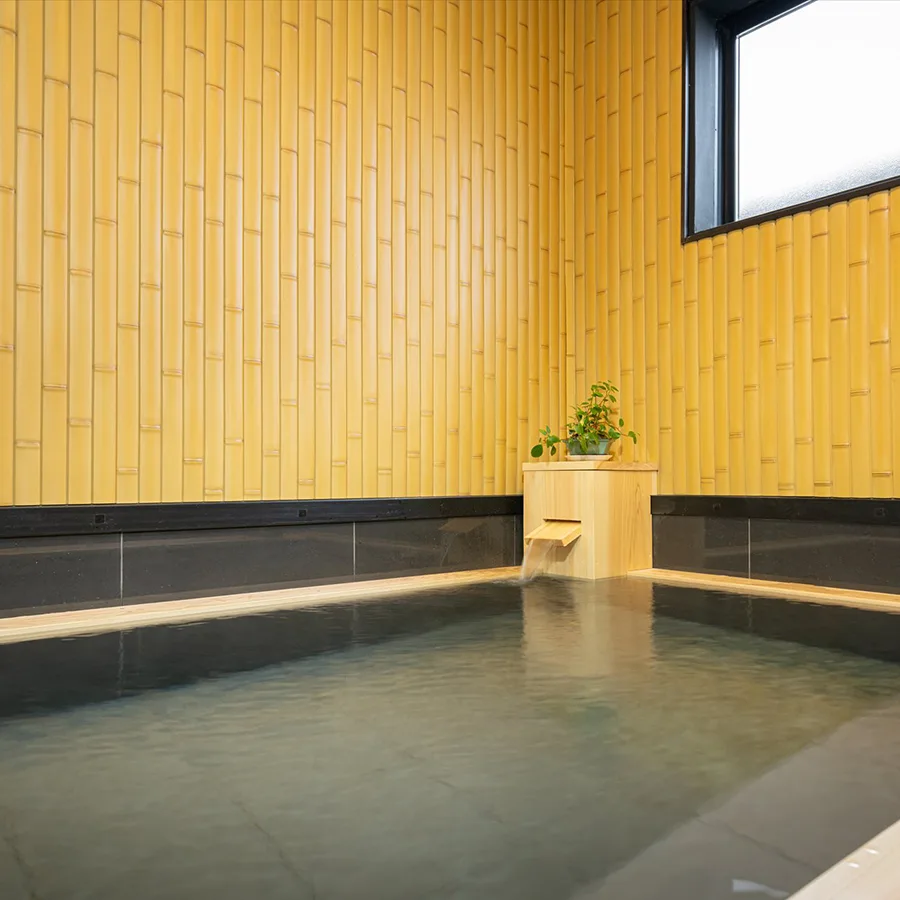
Kuwanoya includes its public outdoor bath with regular day-use admission; no private-room booking is needed to bathe outdoors. The inn lists a 44.6°C source and continuous-flow spring water.
Fukusenka has four timed private baths. Its public outdoor-bath arrangement alternates by gender, so facilities can differ by day. The spring is described as an alkaline simple sulfur/radium spring, with pH 8.7; no source temperature is published.
Kiyonoya publishes a 42.1°C source, pH 8.9 and a flow rate of 275 litres per minute, with no dilution or reheating. Those are source figures, not the measured temperature of each bathing tub. Its tattoo policy is listed as accepting bathers, but confirm directly if that is essential. For a five-inn comparison, see the Chikugogawa day-use guide.
If a private bath is non-negotiable
Fukusenka is easier to place after the market and shrine because private sessions are listed from 1 pm to 9 pm, with last reception at 8 pm. Each of its four options is ¥2,500 per room for 60 minutes. Check same-day availability before committing to the route.
Kiyonoya’s two indoor family baths cost ¥2,500 per 50 minutes. The rooftop Fūgetsu bath with sauna costs ¥4,000 per 50 minutes.
Day visitors can use these only until 2 pm, and advance reservations are not accepted for day-use sessions. To try one, shorten one of the earlier stops and get to the onsen area before the cutoff; a full market visit, shrine walk and long lunch may not fit.
Without a car, cut one stop
Noruto Ukiha is a reservation-based shared bus for the flatter parts of the city, not a fixed route and not a way into the mountain districts. The city’s 2026 page lists service from 8:30 am to 7 pm, fares of ¥300 for trips under 5 km and ¥500 for longer trips, with bookings from seven days ahead until 30 minutes before travel.
There is a date-sensitive change in 2026: the city says the old Ukiha Bus ends on September 30 and advises using Noruto Ukiha, taxis, Nishitetsu buses or JR from October 1. Yet the current Noruto information page still describes a trial period that also ends September 30. Recheck the city’s latest service notice before relying on it after that date. A taxi may be needed for the hillside shrine or the final leg to the onsen.
For a transit day, keep just one of the market and shrine, then verify the full chain: station to the chosen stop, stop to the bath, and the return to JR Chikugo-Oishi or your bus. The bath’s late opening does not extend the last train. If you would rather explore on foot and avoid the hillside connections, the Chikugo-Yoshii and onsen route is another option.
Sources
- Roadside Station Ukiha, facilities and access
- Ukiha Tourism, Ukiha Inari Shrine; shrine’s official site
- Ukiha City, Ukiha Bus service change, Noruto Ukiha and service information
- Fukuoka Prefecture, Chikugogawa day-use baths
- Kiyonoya, Kuwanoya and Fukusenka
Checked: 2026-09-28. Hours, bath access and transport can change; confirm current details with the relevant operator.