Five Kyushu Onsen Baths You Can Walk to from a Train Station
Compare five natural onsen baths near JR stations in Kyushu, with walking times, day-use hours, current admission where published, and luggage notes.
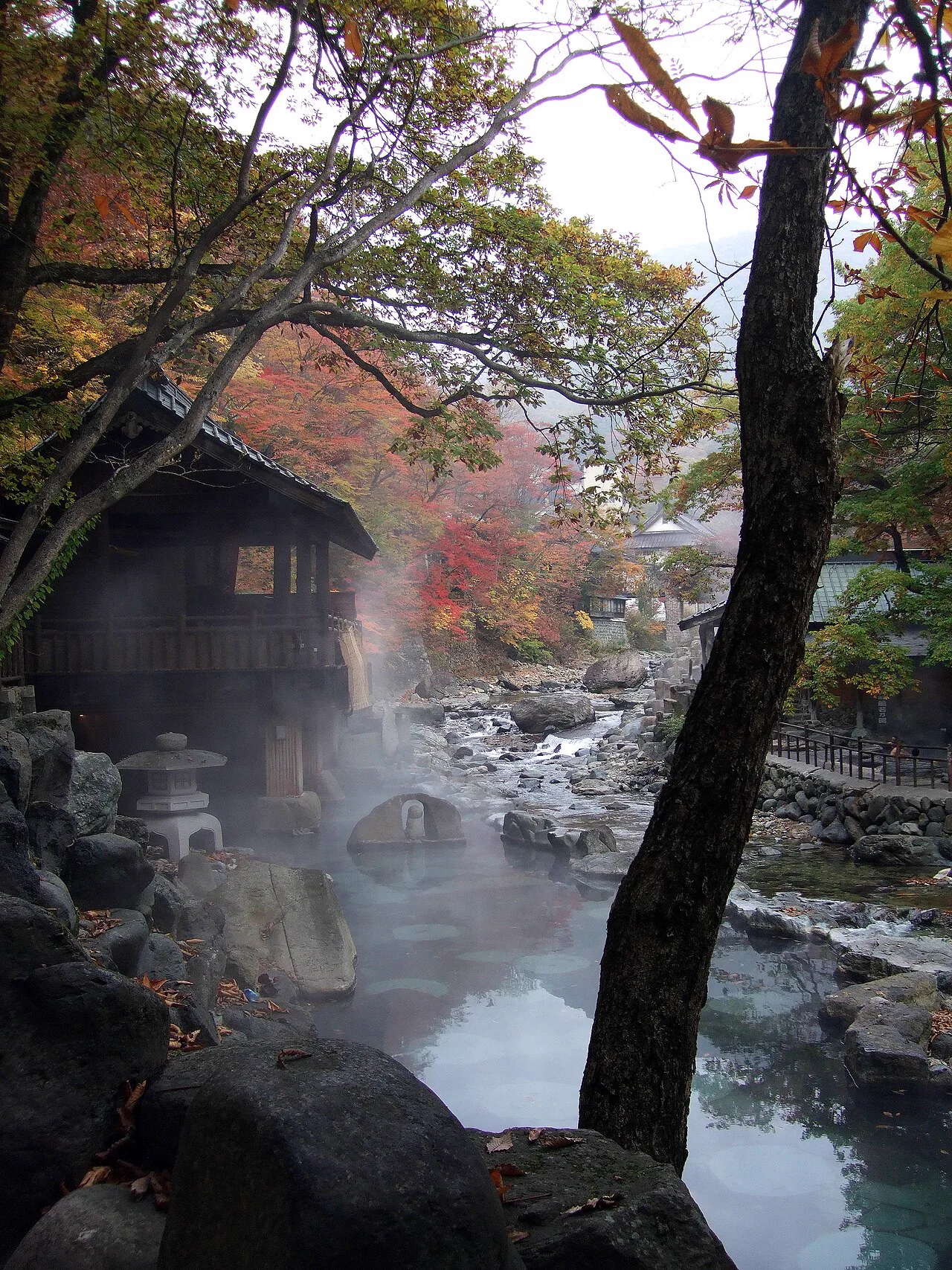
“Near the station” can mean a quick five-minute walk—or a longer detour that deserves its own stop. These five baths are all reachable on foot from a JR station, but they suit different gaps in a rail itinerary. Kaimonji in Beppu is the easiest short stop; Sansuikan in Yufuin only accepts day visitors in the afternoon; and Takeo Motoyu is about a 15-minute walk, so it is better with time set aside.
Distances below are published estimates, not a promise of a fast door-to-platform round trip. Allow extra time for finding the entrance, changing, drying off and getting back to your train. With a suitcase, check the station’s current locker information before setting out.
Five station-side baths at a glance
| Station and bath | Walk | Day-use hours | Adult admission | Luggage note |
|---|---|---|---|---|
| JR Aoshima Station → Shinwa-no-Yu, Miyazaki | About 3 minutes | 6 a.m.–10 p.m.; last entry 9:30 p.m. | ¥700 | JR’s Aoshima station page does not list coin lockers; arrange luggage first |
| Kagoshima-Chuo Station → Myoban-no-Yu | About 4 minutes from the west exit | 8 a.m.–10 p.m.; irregular closing days | Not currently listed by the bath association | JR lists coin lockers at the station |
| JR Beppu Station → Kaimonji Onsen | About 5 minutes | 6:30 a.m.–10:30 p.m.; closed for cleaning 2–3 p.m. | ¥250 | JR lists coin lockers at the station |
| JR Yufuin Station → Yufuin Sansuikan | About 8 minutes | 1–4 p.m. | ¥1,000; small towel included | JR lists coin lockers at the station |
| JR Takeo-Onsen Station → Motoyu | About 15 minutes | 6:30 a.m.–11:45 p.m.; last entry 11 p.m. | ¥500 | JR lists coin lockers at the station |
Takeo appears in this comparison because the bath is still walkable from the station, not because it is within ten minutes. The local tourism association currently estimates about 15 minutes from the north exit to the Romon gate, next to Motoyu. Treat it as a planned stop rather than a quick connection.
Beppu: the most manageable short break
Kaimonji Onsen is about five minutes from JR Beppu Station. Beppu City identifies it as a source-flowing bath and lists two pools at different temperatures, adult admission at ¥250, and opening hours from 6:30 a.m. to 10:30 p.m. The important catch is the cleaning break: visitors cannot enter between 2 and 3 p.m. It usually closes on the second Monday of the month, though the date may change around holidays.
The station has coin lockers, according to JR Kyushu. If you have a bag, leave it there before walking over; the bath’s nearby location does not make dragging luggage through a changing room any easier. For other baths on foot from the same station, see the Beppu station-area bath walk and the broader municipal onsen comparison.
Kagoshima-Chuo: a natural bath beside the Shinkansen hub
Myoban-no-Yu is four minutes on foot from the station’s west exit. The Kagoshima public-bath association says the facility reopened in December 2025 after a full rebuild and new well, and describes its familiar tiered baths as source-flowing. Its current listing gives hours of 8 a.m.–10 p.m. and irregular closing days.
The association has not published a current single-entry adult price on that page, so there is no reliable figure to put in the table. Don’t substitute Kagoshima Prefecture’s general public-bath price limit for this facility’s admission. JR Kyushu lists coin lockers at Kagoshima-Chuo. For other options around the city, use the Kagoshima City onsen and sento guide.
Aoshima: a short walk from the Nichinan Line
Shinwa-no-Yu is about three minutes from JR Aoshima Station. The facility’s English page lists a 6 a.m.–10 p.m. bathing window, last entry at 9:30 p.m., and adult admission of ¥700. It is a natural hot-spring facility; the operator also notes that maintenance closures can happen, so check its notice before making a tight connection around the bath.
JR’s Aoshima station page does not list coin lockers. That does not prove there are none, but it is a good reason not to arrive with a large case and assume storage will be available. Aoshima works better as a light day trip, perhaps after the shrine, than as an improvised stop with all your luggage. The Shinwa-no-Yu guide has the facility details; for a broader local comparison, see Aoshima day-use onsen options.
Yufuin: close to the station, with a narrow bathing window
Yufuin Sansuikan is around an eight-minute walk from JR Yufuin Station, but distance is not the deciding factor here. Its current day-use information lists admission from 1 to 4 p.m., with adults at ¥1,000 and a small towel included. If your train reaches Yufuin in the morning or you need to leave before lunch, this is not a usable option that day.
JR lists coin lockers at Yufuin Station, though availability and size are not guaranteed. Check the Yufuin day-use onsen guide for alternatives with different hours. If you are staying overnight, the Yufuin area guide can help you choose a base near the station or town center.
Takeo: allow time for the walk to Motoyu
Motoyu sits by Takeo Onsen’s Romon gate. The local tourism association lists adult admission at ¥500, hours from 6:30 a.m. to 11:45 p.m., and last entry at 11 p.m. It also states that people with tattoos are not admitted. The same association puts the walk from Takeo-Onsen Station’s north exit to the gate at about 15 minutes; JR’s station map shows coin lockers.
That makes Motoyu a sensible choice if you have deliberately built a longer stop into a Nishikyushu Shinkansen journey. It is not a good bet when the next departure is close. Keep enough time for the return walk, changing and the station approach, and check the bath’s own page for any updates before travelling.
The station name is not the whole access plan
A station with “Onsen” in its name does not guarantee a walk-up bath. Ureshino-Onsen Station is separate from the old hot-spring town, so visitors need another connection to reach its baths. Kurokawa is a bus-and-car destination; the local association’s access guide routes rail travellers via a separate station and onward connection. See the Ureshino day-use guide or Kurokawa without a car for those access plans.
How much transfer time should you leave?
For a short layover, Beppu is the clearest choice because the walk is brief and its hours are broad—provided your visit does not fall during the 2–3 p.m. cleaning break. Kagoshima-Chuo is similarly close, but check its irregular closing day and current admission before you go.
Aoshima is easy on foot, though train frequency and luggage storage matter more than the three-minute walk. Yufuin only works during Sansuikan’s afternoon window. Takeo needs more time on the ground: allow for roughly 15 minutes each way, the bath itself and a buffer to reach your platform. Walking time alone is never the full length of a train stop.
If you are fitting a bath around checkout, see the Kyushu last-onsen-after-checkout guide. Early arrivals and evening visits have different constraints; the morning onsen guide and after-dinner onsen comparison cover those cases.
Sources
Official bath, access and station information
- Beppu City, [Kaimonji Onsen hours, admission and spring type](https://www1.city.beppu.oita.jp/sisetu/shieionsen/detail7.html) and [municipal bath cleaning schedule](https://www.city.beppu.oita.jp/sangyou/onsen/seiso.html) - JR Kyushu, [Beppu Station](https://www.jrkyushu.co.jp/railway/station/1191859_1601.html) - Kagoshima public-bath association, [Myoban-no-Yu hours, access and spring information](https://www.kagoshima-onsen1010.net/sento-map/kagoshima/josai/post-40.php) and [December 2025 reopening notice](https://www.kagoshima-onsen1010.net/info/post-99.php) - JR Kyushu, [Kagoshima-Chuo Station](https://www.jrkyushu.co.jp/railway/station/1191491_1601.html) - Aoshima Fisherman’s Beachside Hostel & Spa, [Shinwa-no-Yu admission, hours and access](https://aoshima-hostel.com/en/hotspring/) - JR Kyushu, [Aoshima Station](https://www.jrkyushu.co.jp/railway/station/1191380_1601.html) - Yufuin Sansuikan, [day-use bathing](https://www.sansuikan.co.jp/day/) and [station access](https://www.sansuikan.co.jp/access/?c=4) - JR Kyushu, [Yufuin Station](https://www.jrkyushu.co.jp/railway/station/1191928_1601.html) - Takeo Onsen Tourism Association, [Motoyu admission, hours and tattoo policy](https://www.takeo-kk.net/spa/001331.php) and [Romon access from Takeo-Onsen Station](https://www.takeo-kk.net/sightseeing/001373.php) - JR Kyushu, [Takeo-Onsen Station](https://www.jrkyushu.co.jp/railway/station/1191668_1601.html) - Ureshino City, [public-transport connections from Ureshino-Onsen Station](https://www.city.ureshino.lg.jp/shisetsu/liberty/_23950.html) - Kurokawa Onsen Ryokan Association, [public transport access](https://www.kurokawaonsen.or.jp/en/access/)Checked: September 28, 2026
Tags: Kyushu, Kyushu onsen, station access, walkable onsen, day-use onsen, Beppu, Kagoshima, Aoshima, Miyazaki, Yufuin, Takeo Onsen, train travel, luggage storage, Japanese public baths, onsen itinerary