Hanamaki Onsenkyo by Season: Bathing and Travel Plans That Change with the Weather
Plan Hanamaki by season, accounting for outdoor-bath access, daylight and bus reliability. Its southern hot springs and Hanamaki Onsen use different routes.
Hanamaki’s hot springs run through several valleys, so a seasonal plan needs to account for transport as well as scenery. The southern baths follow the Yukuchi Line; Hanamaki Onsen and Dai Onsen sit on a different corridor. A bath that looks close on a map can still take a bus connection and a walk from the stop.
| Season | What to plan around | A sensible anchor |
|---|---|---|
| Spring | Maintenance schedules and lingering road or trail conditions | One confirmed bath close to your lodging route |
| Summer | Heat, hydration and time outside the bath | A lunch break or riverside stop only if transit leaves room |
| Autumn | Higher demand and less flexibility around popular dates | An overnight base rather than several day-use stops |
| Winter | Snow, shorter daylight and possible transport disruption | A ryokan bath and reserved transfer as the main plan |
Spring: confirm the bath before travelling
Do not assume every bath reopens on the same date after winter or maintenance. Each inn sets its own cleaning and repair schedule. If one particular outdoor pool is the reason for the trip, ask whether it will be open on your date, then choose a bus connection that still leaves a return option if it is not.
Summer: leave room to cool down
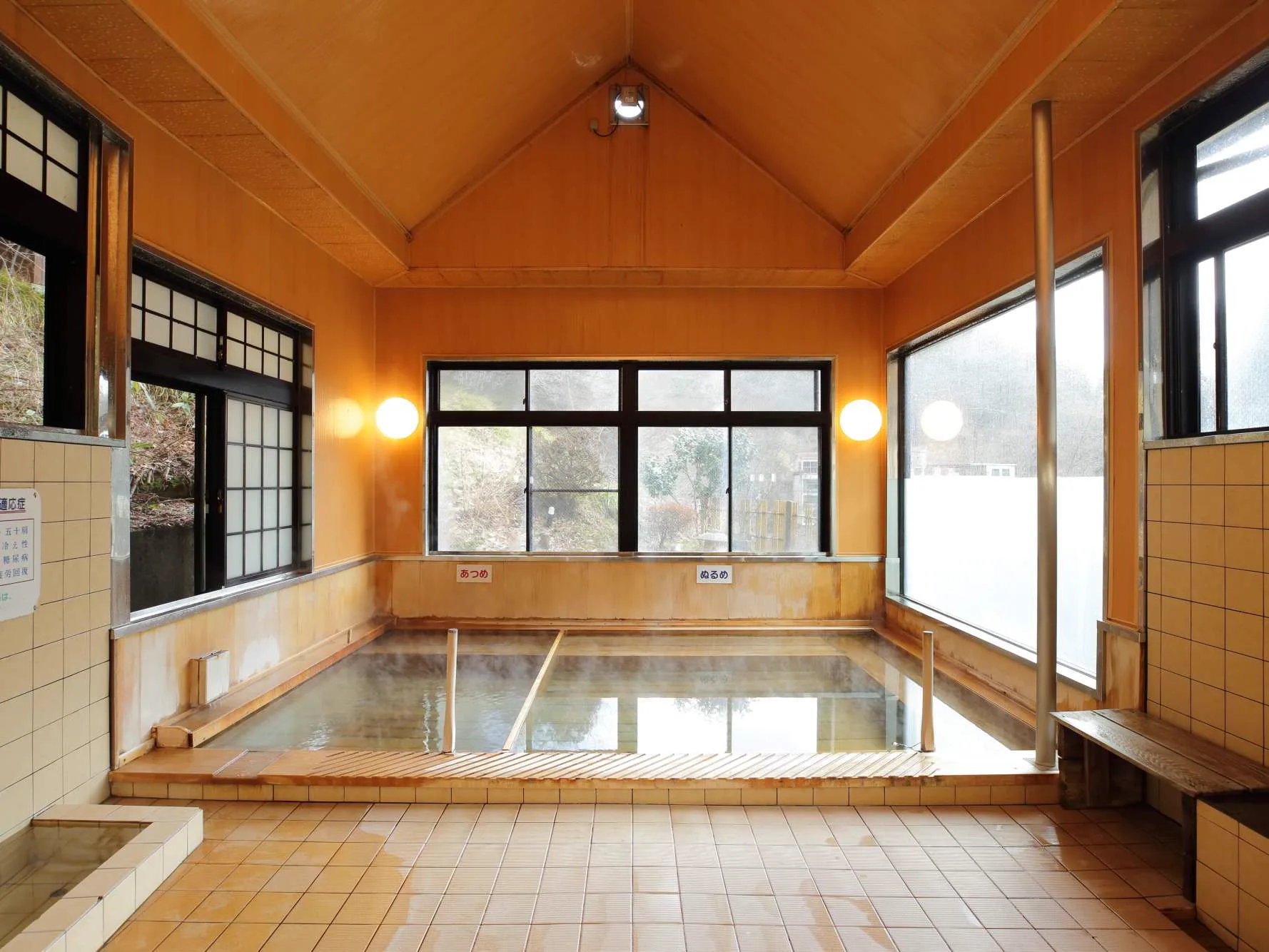
Longer daylight makes it easier to combine bathing with lunch or a short walk, but it does not add buses to the timetable. Nagomi-no-Yu has an indoor and outdoor bath, sauna and restaurant; check the current hours and lunch service before relying on a meal there. Bring water for the time between the bus stop and facility, particularly if you are not staying nearby.
Autumn: book the stay around the view you want
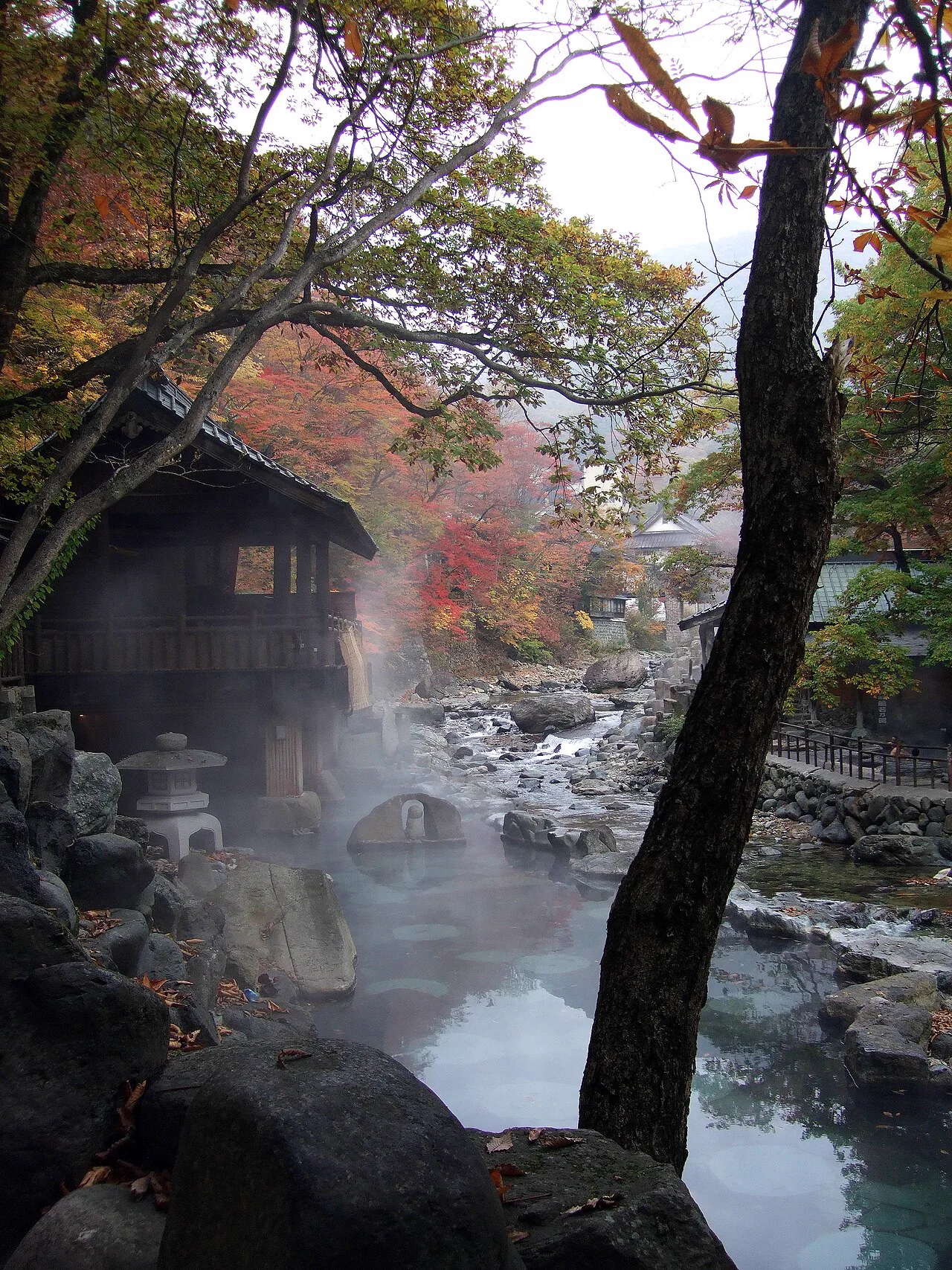
The southern valley’s wooded setting is a reason many visitors choose an overnight stay. If the goal is to enjoy the area without watching the clock, spend the night at one inn and use its baths before or after dinner. Reserve early for dates that matter to you, and verify access and cancellation terms directly with the property. Avoid building a day around several distant baths when local roads and bus timing leave little room for delay.
Winter: make the indoor bath the fallback
Snow can affect roads, walking and bus service. Check the operator’s travel-date notices, allow extra transfer time, and confirm whether your accommodation’s shuttle is running and reserved. The shared shuttle is for guests of participating inns, not a public day-trip service. A one-night stay with confirmed indoor bathing is more resilient than relying on an outdoor bath at the end of a chain of connections.
A compact day-trip framework
One workable outline is a planning skeleton, not a promise that every bus lines up this way:
| Time | Plan |
|---|---|
| 9:00 | Leave Hanamaki Station |
| Around 9:30 | Reach the chosen bath area |
| 11:00 | Begin bathing; allow at least 90 minutes for soaking and changing |
| 12:30 | Lunch |
| Around 14:00 | Short town or riverside walk |
| 16:00 | Head back toward the station |
Count bus rides and waits separately. In winter, cut the distant walk first.
Iwate Kenkotsu publishes current fares from the station and route timetables online; use the page for your direction and date, since the return service may not mirror the outbound schedule.
For facility-specific choices, see the Minami Onsenkyo day-use guide or the Hanamaki Onsen and Dai Onsen guide. The one-night itinerary is a better starting point if weather flexibility matters more than fitting in another bath.
Sources
Compare opening hours, baths, shuttles, meals and seasonal access.