Where to Stay in Hanamaki Minami Onsenkyo: Four Different Ryokan Setups
Compare Osawa, Fuji Ryokan, Yuukaen or Shidotaira: rooms, baths and meals today.
Hanamaki Minami Onsenkyo is a valley of separate inns, not one resort where every bath is a short stroll from every room. Osawa has a self-catering wing as well as a conventional hotel section; Fuji Ryokan at Namari places its historic baths at the centre of the stay; Yuukaen is a full-service ryokan; and Shidotaira is a larger riverside resort. Start with how much independence or hotel service you want. The name of the spring alone will not tell you what your room includes.
| Property | The stay is organized around… | Check before paying |
|---|---|---|
| Osawa Onsen: Tojiya or Sansuikaku | A bath network; Tojiya is the self-catering wing, Sansuikaku the conventional inn | Building, room amenities, meals, linen and which bath schedules apply |
| Namari Onsen: Fuji Ryokan | Four shared baths and a historic main building | Main building, annex or Toji section; room facilities and gender periods differ |
| Yama no Kami Onsen: Yuukaen | Full ryokan service and meals | The guest baths are separate from the Nagomi-no-Yu day-use building |
| Shidotaira Onsen: Hotel Shidotaira | Resort facilities beside the Toyosawa River | Seasonal pool access, meal plan and reserved shuttle details |
Osawa: decide whether you want to cook
Tojiya is the more independent way to stay. Its communal kitchens let guests prepare their own food, while an on-site restaurant and available meal plans provide alternatives. Rooms generally use shared facilities rather than the private bathroom setup many visitors expect from a full-service hotel. Linen, yukata and other items can be charged separately or depend on the selected plan. Compare the full room details, not only the nightly headline.
Sansuikaku is the conventional hotel section, with meal plans and a different room format. Guests can use the wider Osawa bathing area under current schedules, but the buildings have separate room facilities and bathing hours. If a private toilet, less independent meal planning or a more standard check-in matters, look closely at Sansuikaku. Kikusui-kan is not an accommodation option; it now houses a gallery that closes for winter.
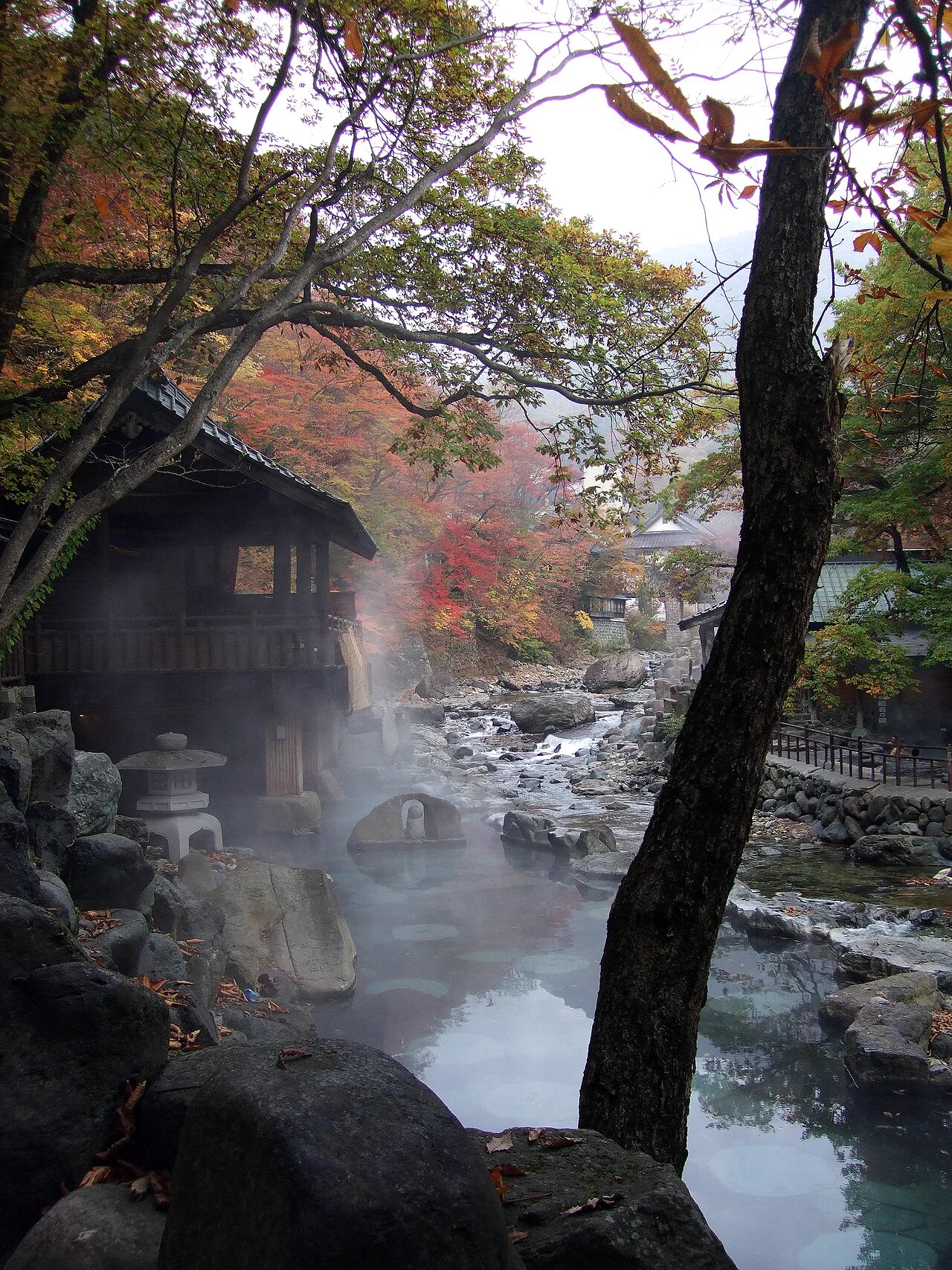
The bath circuit is a major reason to stay. Tojiya’s outdoor Osawa-no-yu is mixed bathing, and the four pools do not all follow the same schedule. Staying overnight gives more opportunities to work around cleaning and gender periods, but it does not make every bath open around the clock. Check the posted schedule when a specific pool matters.
Fuji Ryokan: choose the building as carefully as the bath
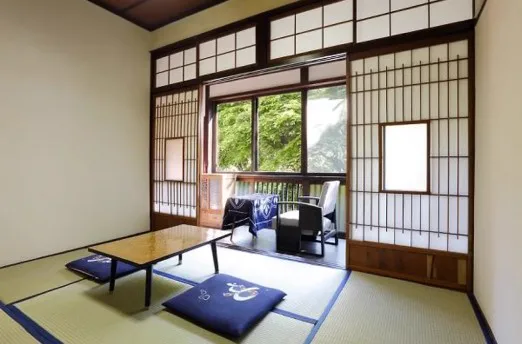
Fuji Ryokan at Namari has a historic wooden main building, a reinforced-concrete annex and a separate therapeutic-stay section. The older building is the atmospheric choice; the annex is described by the property as more insulated. Toji rooms are the more basic option, with shared kitchen access and no private toilet or washbasin in the room types described by the ryokan. Meal service can be added through selected plans.
The four baths have their own access rules. Shirozaru-no-yu is a deep standing bath, usually mixed, with women-only periods; other pools alternate by gender or have cleaning hours. A room reservation does not mean that a bath is private. Fuji Ryokan also has time-specific private-bath availability at Gin-no-yu, but current hours and eligibility should be checked against the bath schedule.
Namari is a better fit if bathing is central and the group is comfortable with an older inn layout. Anyone who needs a private toilet, wants to avoid steps or is travelling with a child who cannot stand securely should compare the room and bath access before booking. The property’s sections are not interchangeable just because they share one ryokan name.
Yuukaen: full-service rooms; a separate day-bath building
Yuukaen is the strongest match for a conventional ryokan stay with meals and a larger selection of guest baths. Its property information describes Japanese-style rooms and multiple spring-fed bathing areas. Select the meal plan based on the actual dinner and breakfast arrangement for your date; menu and dining details can vary by plan.
Nagomi-no-Yu sits on the grounds, but it is a separate public day-use bathhouse with its own reception, sauna, restaurant and admission. Those facilities should not be counted as included in an overnight booking unless the room plan says so. Yuukaen’s guest baths and Nagomi-no-Yu solve different parts of a trip: one belongs to the ryokan stay; the other sells day entry.
Shidotaira: more resort infrastructure for a family stay
Hotel Shidotaira is the most resort-like property in this group. It has multiple bathing areas, meal venues and child-oriented equipment. Seasonal pools are for overnight guests and operate only on the hotel’s published dates; a bath-only visit does not include them. When travelling with children, check the pool calendar, room capacity and meal timing at the same time. A family room can be less useful if the dinner start or shuttle does not match the day’s arrival.
This property is easier to shortlist if your group expects to use hotel facilities beyond the baths. The additional infrastructure comes with a different atmosphere from Tojiya or Fuji Ryokan’s traditional sections. If the main goal is to soak in an older bathhouse and spend little time indoors elsewhere, the resort facilities may add cost without helping your particular stay.
The transfer is part of the room decision
Iwate Kenkotsu’s posted adult fares from Hanamaki Station are ¥600 to Shidotaira, ¥670 to Osawa, ¥720 to Yama no Kami and ¥780 to Namari. The Yukuchi Line serves these stops, but the valley is elongated; a room closer to one stop does not automatically help with an outing to another. Read the route timetable in both directions and match arrival to dinner check-in, not just to the property’s check-in hour.
Participating inns offer a shared guest shuttle from Hanamaki or Shin-Hanamaki Station. It is not a public day-trip bus: the overnight guest must reserve through the booked inn, and stops are limited to lodging arrangements. Since September 1, 2026, the southern route asks for ¥100 per ride from each passenger aged three and over. The shuttle saves a transfer, but only if its departure fits the train and the property accepts the reservation.
For a few hours in the valley without an overnight booking, use the Minami Onsenkyo day-bath comparison. A one-night plan is laid out in the Hanamaki itinerary; the access guide explains how the southern and northern bus corridors differ. If ticket price is driving the choice, compare admission and transport together instead of looking at the bath fee alone.
The private-bath comparison clarifies what can be reserved. A shorter visit has its own day-trip route plan, while seasonal Hanamaki planning covers weather and daylight. The northern side has a different product mix: see the three Hanamaki Onsen hotels and the Hanamaki Onsen versus Dai Onsen day-use guide. For a wider region overview, use the Tohoku onsen guide.