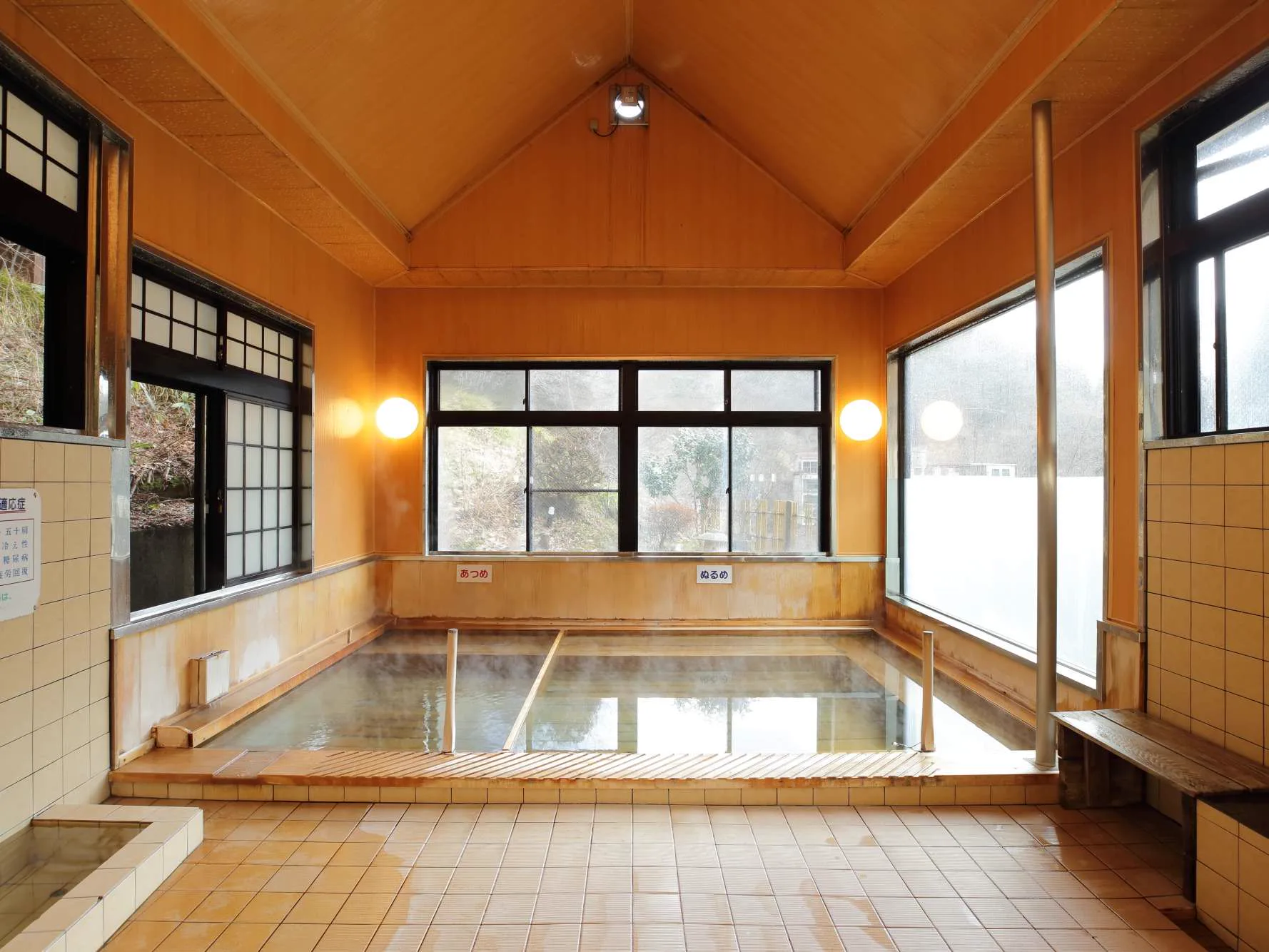
Hanamaki Onsen Hotels Compared: Koyokan, Hotel Hanamaki and Senshukaku
For Koyokan, Hotel Hanamaki or Senshukaku compare baths, rooms and family needs.
Hotel Koyokan, Hotel Hanamaki and Hotel Senshukaku are connected by indoor passages and an internal shuttle. Overnight guests can visit the resort’s three main public baths under the current guest arrangement. That shared access is the reason to compare the hotels as one destination; it does not make their rooms, meal plans or bathing hours identical.
| Hotel | What stands out in the bath complex | Strongest reason to shortlist it | Check in the actual plan |
|---|---|---|---|
| Hotel Koyokan | Momiji-no-yu: sauna, outdoor stone bath, ceramic tubs and cooling terrace | You expect to spend time in the sauna or outside after bathing | Room category, meal venue and which facilities are open during maintenance |
| Hotel Hanamaki | Hanamaki-no-yu, plus the separate Manten-no-yu garden bath and paid private rooms | You want the choice of a standard bath, a separate outdoor bath or reserved private time | Manten-no-yu and the private baths are separate products, not automatic room benefits |
| Hotel Senshukaku | Senshu-no-yu includes sauna and several bath types; the resort lists child bathing equipment | Family facilities or the practical bath range matter more than a specific view | Room building, equipment availability and route to the bath |
The highest-value distinction is the bath you plan to use, not a generalized “best hotel” ranking. A family may care more about the distance from room to bath than the number of pools; a couple may prefer a reserved room; a sauna visit points toward Koyokan. Room plans change by date, so compare the full package instead of assuming every stay includes the same dinner or view.
Koyokan: the sauna is the clearest reason to choose it
Momiji-no-yu at Koyokan combines a sauna with an outdoor stone bath and individual ceramic tubs. The resort added an outdoor cooling terrace, giving sauna users a place to sit between rounds without returning to the changing area. The bath’s strength is that combination; if you are mainly looking for a private soak, Hotel Hanamaki has a more direct paid option.
Day-use opening is split, with a morning period from 8:00 to 10:00 and an afternoon/evening period from noon to 21:00. Overnight bath access follows a different schedule. Cleaning and inspection can also affect which facility is open, so a room reservation should not be read as a promise that every bath will be available at every hour.
Hotel Hanamaki: keep the three bath products separate
The regular public bath is Hanamaki-no-yu, with an outdoor rock bath and sauna. Manten-no-yu is a separate garden bath with its own admission and timetable; the hotel describes it as an outdoor-only facility without an indoor pool or sauna. It is not included automatically with the standard day-use ticket.
| Day-use private room | Posted terms from May 1, 2026 |
|---|---|
| Session | ¥3,300 per room for 45 minutes |
| Bath admission | Each visitor pays the applicable admission separately |
| Example for two weekday adults | ¥5,700 total for one session plus entry |
Overnight arrangements may differ by plan, so check the booking terms before assuming a private bath is included.
That option answers a specific need: a group wants to bathe together in a reserved space. It is unnecessary if everyone is comfortable using separate public baths, and it does not replace the sauna or the larger pool range. For the room itself, check whether the booked category faces the garden or has another view; the bath name alone says nothing about room outlook.
Senshukaku: make the family details concrete
Senshukaku’s public bath, Senshu-no-yu, includes a sauna, a cascade-style bath and ceramic tubs. The resort’s facility information also lists baby bathing equipment, a changing table and child seats. Those details can reduce what a family needs to pack, though availability and location should be confirmed for the specific building and date.
For a child who is tired after travel, the walk from room to changing area matters more than one extra bath type. Check the hotel and room category shown on the reservation, then ask how to reach the bath and whether child equipment is near it. The three buildings connect, but a shared corridor is not the same as a single-floor layout.
Shared spring details, managed pools
The three hotels draw from one mixed spring classified as simple, with a source reading of 61.6°C and pH 7.7. Before it reaches the pools, the water is tempered; the resort maintains it through both a flow-through route and recirculating filtration, using chlorine-based disinfectant. The 61.6°C figure describes the spring at source, not the water guests encounter in a bath.
A weekday adult currently pays ¥1,200; Saturday, Sunday and designated dates cost ¥1,500. Those rates began on May 1, 2026. Each day-use ticket is for one hotel bath. The resort’s multi-bath access belongs to overnight stays. For the day-visitor decision, see Hanamaki Onsen and Dai Onsen compared; the Hanamaki private-bath guide explains reserved bathing.
The southern valley is a separate lodging decision. Osawa, Namari, Yuukaen and Shidotaira compared explains those room styles, while the Minami day-bath guide focuses on day visitors.
The Hanamaki access guide covers the bus corridors; a one-night itinerary shows how to keep the trip to one valley. Compare transport and entry in the budget guide, or use the day-trip outline if you are not staying overnight. Seasonal planning notes cover weather and daylight. For a wider regional context, see the Tohoku onsen guide.
