One Night in Hanamaki Onsenkyo: A Valley-by-Valley Plan
Plan one night in Hanamaki by valley, with shuttle and bus timing in view ahead.
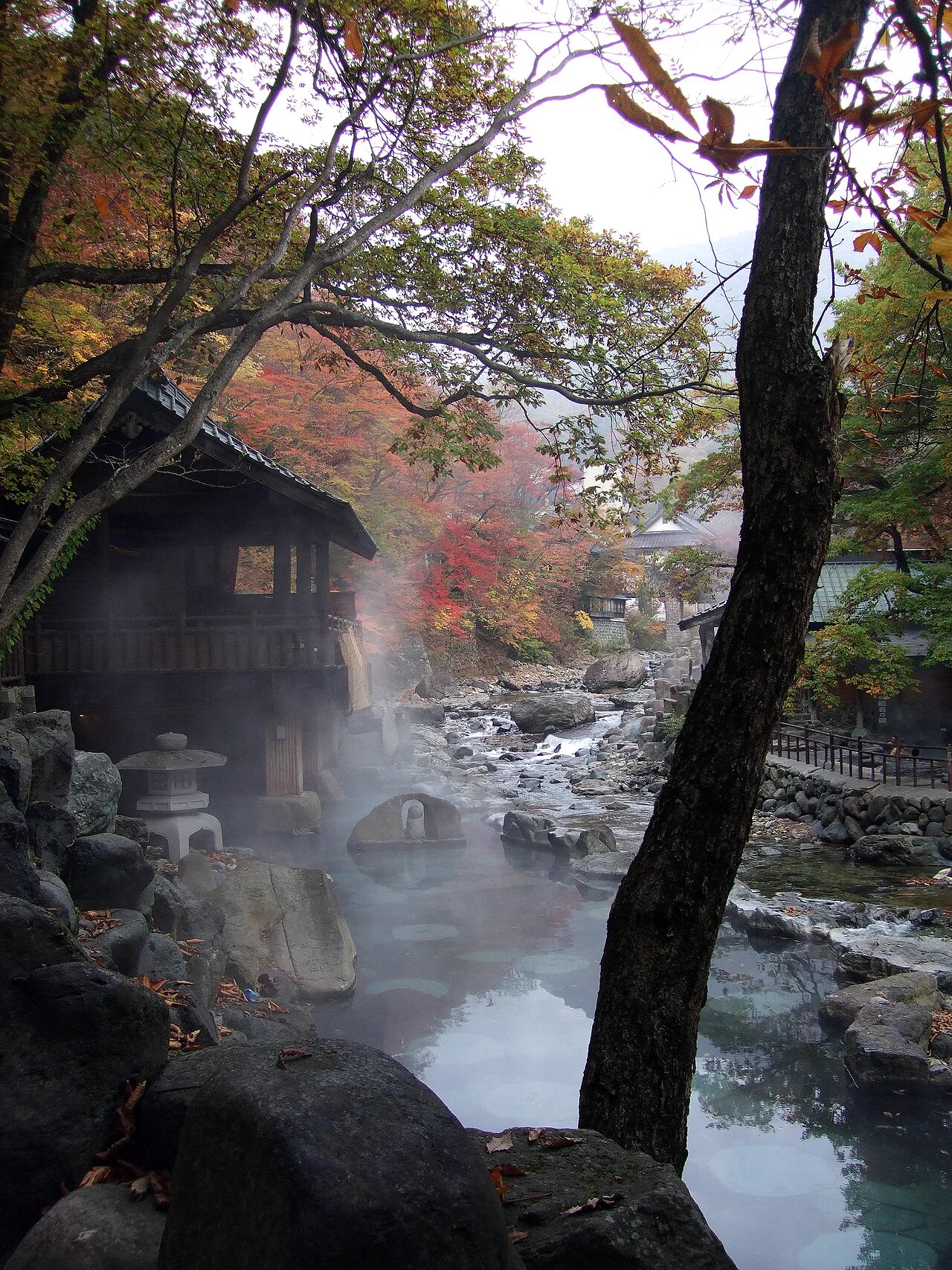
One night in Hanamaki is most comfortable when the accommodation is the anchor, not a place to return to after a circuit of distant baths. Osawa, Namari, Yama no Kami and Shidotaira belong to the southern Yukuchi Line. Hanamaki Onsen and Dai Onsen are north of town on a different line. Crossing between those areas can consume the time meant for bathing, so pick one side before you reserve a room.
Option A: arrive in the southern valley for the evening
The southern route suits a stay centred on traditional baths or a riverside resort. From Shin-Hanamaki Station, the current guest shuttle schedule has a 15:10 departure that reaches Shidotaira at 15:45, Osawa at 15:55, Yama no Kami at 16:00 and Namari at 16:05. Later shared departures include 16:10 and 17:10 from Shin-Hanamaki. The service stops at the participating inn where you are staying; it is not a hop-on bus between ryokan.
Reserve through the inn no later than three days before travel. From September 1, 2026, the southern shuttle contribution is ¥100 per ride for passengers aged three and older. The published timetable can change and a service may not stop at your property if you have not booked it. If your train arrival misses the reserved departure, use the paid local bus or arrange another transfer with the inn rather than assuming a later shuttle can be boarded casually.
Day 1, before dinner: Leave luggage at the property, check which baths are open and take one unhurried soak. At Osawa, Tojiya and Sansuikaku have separate room formats; at Fuji Ryokan, confirm whether the booking is in the main building, annex or therapeutic-stay section. Both places have bath schedules that affect which pools are open at a given hour. For a family that needs resort services, Shidotaira is a different kind of base, with child equipment and a seasonal pool for overnight guests.
Evening: Keep dinner and bathing at the inn. The guest shuttle is designed around fixed stops and cannot be used to go from one property to another. A dinner plan can have its own seating time, so an extra day-use stop after arrival is only sensible if the bus and check-in leave a comfortable buffer.
Day 2: If the return shuttle fits your onward train, use the morning bath included with your stay, have breakfast, and leave time to pack. The current southbound return timetable includes a 9:10 departure from Shidotaira and a 9:35 stop at Hanamaki Station, plus other inn-specific services. Some departures require a reservation at check-in or by the prior evening. Confirm the actual service attached to your property rather than using another inn’s departure as a fallback.
Option B: use Hanamaki Onsen or Dai Onsen as the north-side base
The northern line is easier if you prefer a hotel complex or want to stay in the smaller Dai Onsen settlement. A current weekday bus timetable lists Hanamaki Station departures at 10:33 and then 12:03; that 90-minute gap can turn a late train arrival into a long wait. Check the schedule for your date and stop before setting out. Adult fares are ¥510 to Hanamaki Onsen and ¥580 to Dai Onsen.
Day 1: Travel directly to the hotel or inn, confirm your room and meal arrangements, then use the bath facilities included with the overnight plan. Guests at Hanamaki Onsen’s three connected hotels can visit the resort baths according to the current hotel rules. A standard day-use ticket, by contrast, covers only one hotel’s bath. At Dai Onsen, individual inns set their own bathing conditions, so ask whether day visitors are being accepted before adding a public bath to an evening arrival.
Day 2: Use the morning bath before breakfast if it is open to overnight guests, then take the bus back to town. Matsudaya’s day-use period begins at 15:00, so it is not a morning option; Kankoso opens earlier but may pause admissions when the inn is busy. If a train connection is tight, skip the extra bath and leave the luggage and station transfer buffer intact.
What to do if the bus or weather changes the plan
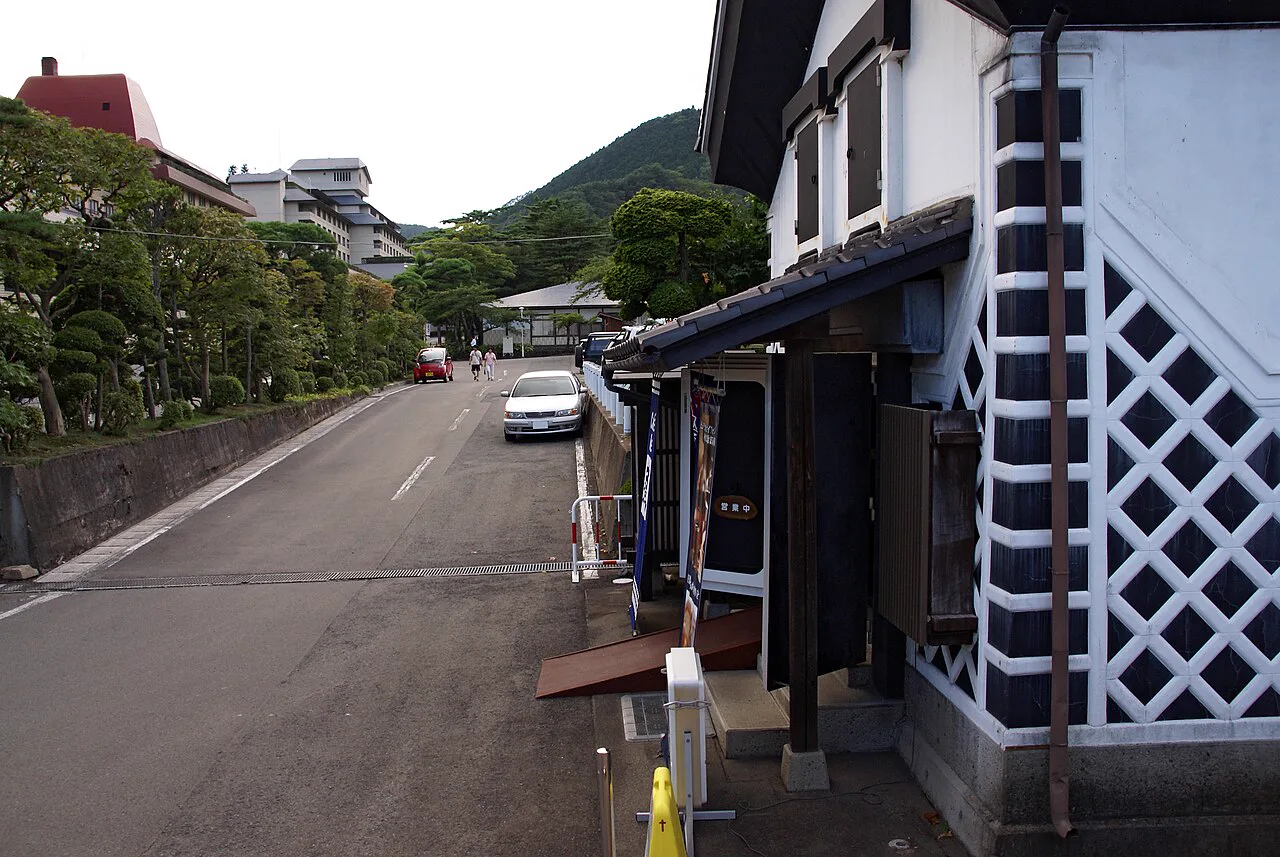
Without a car, Hanamaki is workable if the lodging transfer is booked in advance and the trip stays within one corridor. The scheduled bus is useful for reaching a single stop, but the inns are spread down the valley road. Walking from one property to another is not a reliable replacement, especially with luggage, rain or winter conditions. A missed local bus can leave a substantial wait; use the official timetable to check the next departure rather than estimating from the map.
If the afternoon train is delayed, call the inn about dinner and shuttle arrangements as soon as possible. If you arrive after the last suitable transfer, stay near Hanamaki Station or use a taxi confirmed with the property. On the second day, a bath closure is less damaging when the inn itself has more than one guest facility; a day visitor with a single target should keep a fallback in town.
The access guide separates the bus corridors and shuttle conditions. Compare room formats in the Minami Onsenkyo ryokan guide or the three northern hotels. Day visitors can use the southern bath comparison or Hanamaki Onsen versus Dai Onsen; the day-trip outline keeps the route to one main soak. The budget comparison combines admission and transport, and the private-bath guide explains which pools can be reserved. For weather-specific planning, see Hanamaki by season and the broader Tohoku onsen guide.