Higashiyama Onsen as an Aizu Day Trip: What to Plan Before You Go
Plan an Aizu-Wakamatsu day trip around the bus, a hotel’s bath window and the return journey; Takinoyu ended routine walk-ins in August 2026.
Checked: September 27, 2026
Higashiyama Onsen sits roughly 20 minutes from Aizu-Wakamatsu Station by bus or 10–15 minutes by taxi. That makes a soak an easy addition to a day in Aizu, provided you choose the bath before setting off. Hotel day-use hours are not interchangeable, and some inns can suspend admission when busy.
Start with the return trip
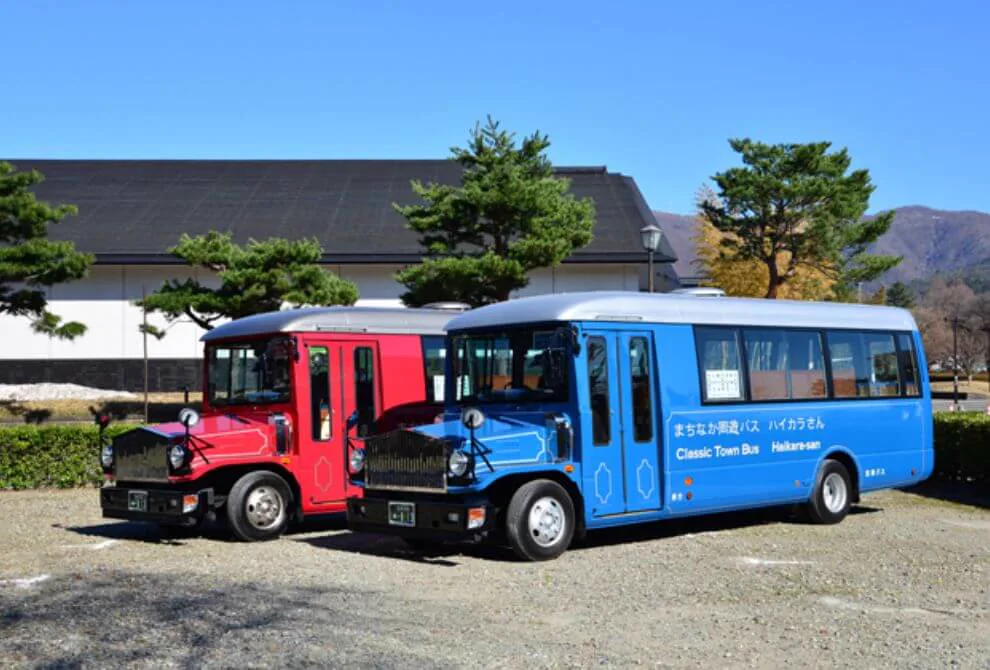
The local bus connects the station and onsen district, but check the current timetable for both directions before you leave town. If the last useful return bus is too early, budget for a taxi or make the onsen your final stop and stay overnight. A short drive on the map does not guarantee a quick wait for transport after bathing.
There are three useful ways to shape the day:
- An early bath works with Higashiyama Grand Hotel’s morning session, then leaves the afternoon for Aizu’s historic sights.
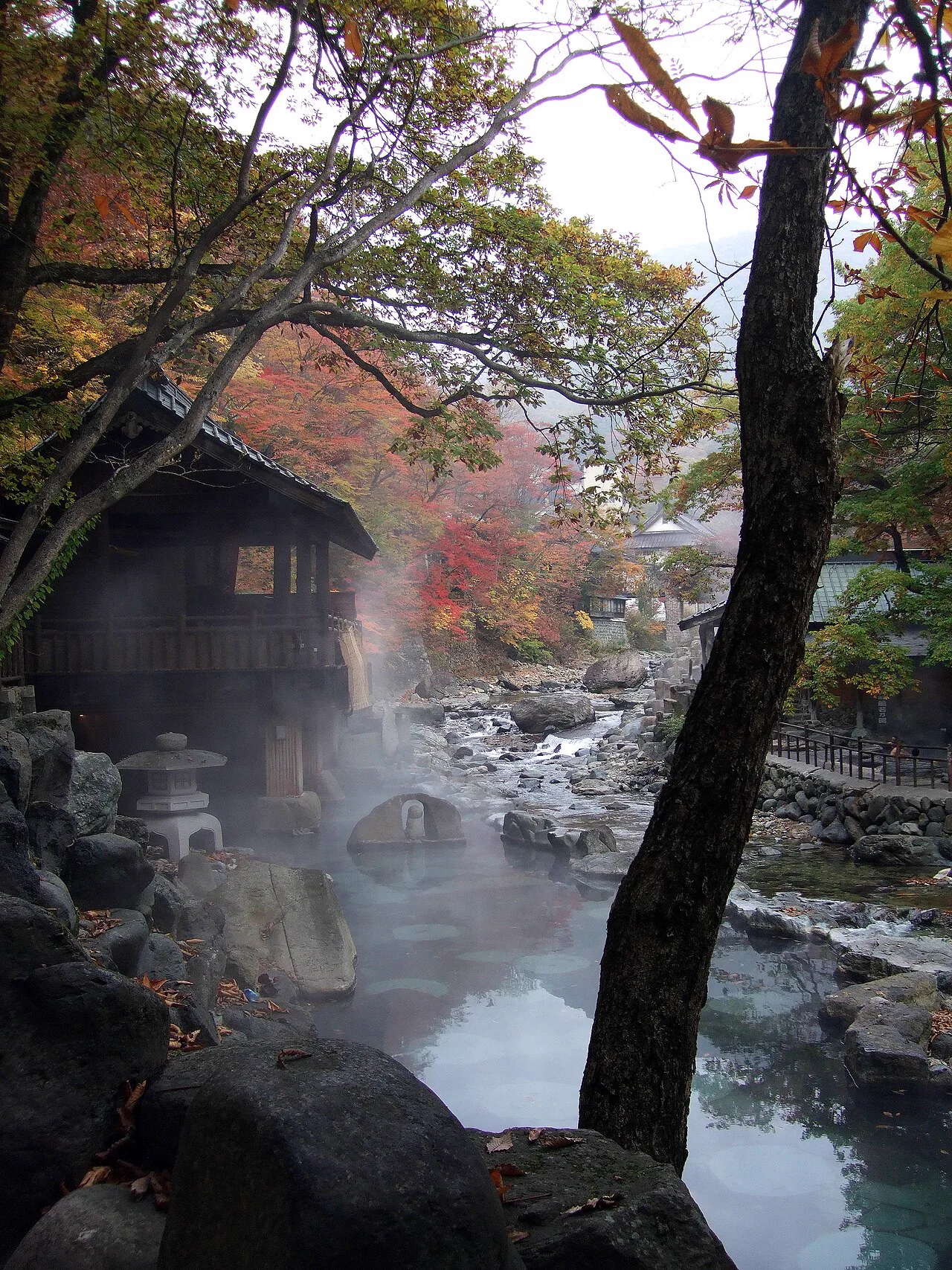
- For a gorge-side soak at Harataki, plan around its afternoon day-use hours and confirm reception before travelling. Bath-only visitors cannot use the inn’s complimentary pickup.
- Onyado Toho has a short afternoon reception window. Call ahead; if it is full, day visitors may be turned away.
The day-bath comparison has current prices, entry windows and bath details for those three properties. Shousuke Inn Takinoyu is still a lodging option, but its official notice says routine day bathing and online lunch-and-bath plans ended on August 31, 2026. The association’s older day-bath listing still shows historic hours, so do not use it as proof of current admission.
Pair one Aizu sight with one bath
Tsuruga Castle, Iimoriyama and Aizu Bukeyashiki are separate visits around the city, not stops on a single walk through the onsen district. Pick one main sight, leave time for lunch and travel, then head to Higashiyama with a margin before the bath’s last reception. Trying to fit two or three hotel baths into the same afternoon leaves little room for bus waits or a change in admission.
For a first visit, the castle works well as the daytime anchor. If you are already near Aizu Bukeyashiki, Toho’s nearby pickup point may help, but it is a stop-to-hotel transfer rather than a station shuttle. Ask the hotel whether it can take day visitors on your date.
Current day-use options and the real entry cost
The following figures were checked against the properties and tourism association in September 2026. They are useful for planning, but capacity and last admission can change on the day.
| Property | Day-use status and hours | Adult admission | Practical difference |
|---|---|---|---|
| Harataki | 1–8 p.m.; confirm first, and reception may end early when busy | ¥1,100; mini towel included | Its own spring and gorge-side outdoor bath; bath-only visitors are not eligible for the inn’s free pickup |
| Onyado Toho | Advance contact required; reception 1:30–3 p.m., leave by 4 p.m. | ¥1,400 weekdays; ¥1,800 weekends and holidays | Elevated baths and city views, but the shortest window |
| Higashiyama Grand Hotel | 7–10 a.m. and 3 p.m.–midnight; last entry 10 p.m. | ¥1,000 weekdays; ¥1,100 weekends/holidays; ¥1,650 on peak dates | Broadest window; ¥330 towel rental makes a weekday visit about ¥1,330 without your own towel |
| Shousuke Inn Takinoyu | Routine day bathing and online lunch-plus-bath plans ended August 31, 2026 | No routine walk-in ticket | Book an overnight stay; an old association listing is not evidence that walk-in bathing has resumed |
| Child admission | Weekday | Weekend / holiday |
|---|---|---|
| Harataki, age 3 through elementary school | Half the adult fee | Half the adult fee |
| Onyado Toho | ¥700 | ¥1,000 |
| Higashiyama Grand Hotel | ¥500 | ¥600 |
Travel, meals and any towel rental at Toho are extra. Grand Hotel’s published prices include consumption tax and the normal day-use bathing tax. Confirm the billable age and current conditions with the hotel for a family total.
The spring details also differ by property. Harataki identifies its outdoor bath as 100% source-flowing; its 2019 analysis lists 58.0°C, pH 7.6 and 390 L/min, while its current promotional page also mentions 550 L/min. The sources do not explain the difference, so both flow figures should remain attributed rather than reconciled.
Toho says its baths combine flow-through and recirculation, with water added and heated in the recirculated section. Grand Hotel lists dilution and recirculating filtration. These are property-specific facts, not interchangeable characteristics of every Higashiyama bath.
Tattoo policies are another reason to call ahead. Toho prohibits tattoos. Grand Hotel allows bathing only when a specified paid cover patch fully conceals them. Harataki’s general rule excludes tattoos, with a narrow advance-approved exception for overseas visitors whose tattoos are for fashion, cultural or religious reasons. None of those exceptions is automatic.
When an overnight stay makes more sense
Stay the night if the bath you want has a narrow afternoon window, you would rather not watch the clock on the return bus, or you want to use the inn’s evening and morning bathing periods. A day visit suits travellers already staying in town who only need one soak. The no-car guide covers the bus and pickup details; the one-night itinerary shows how the overnight option changes the pace.