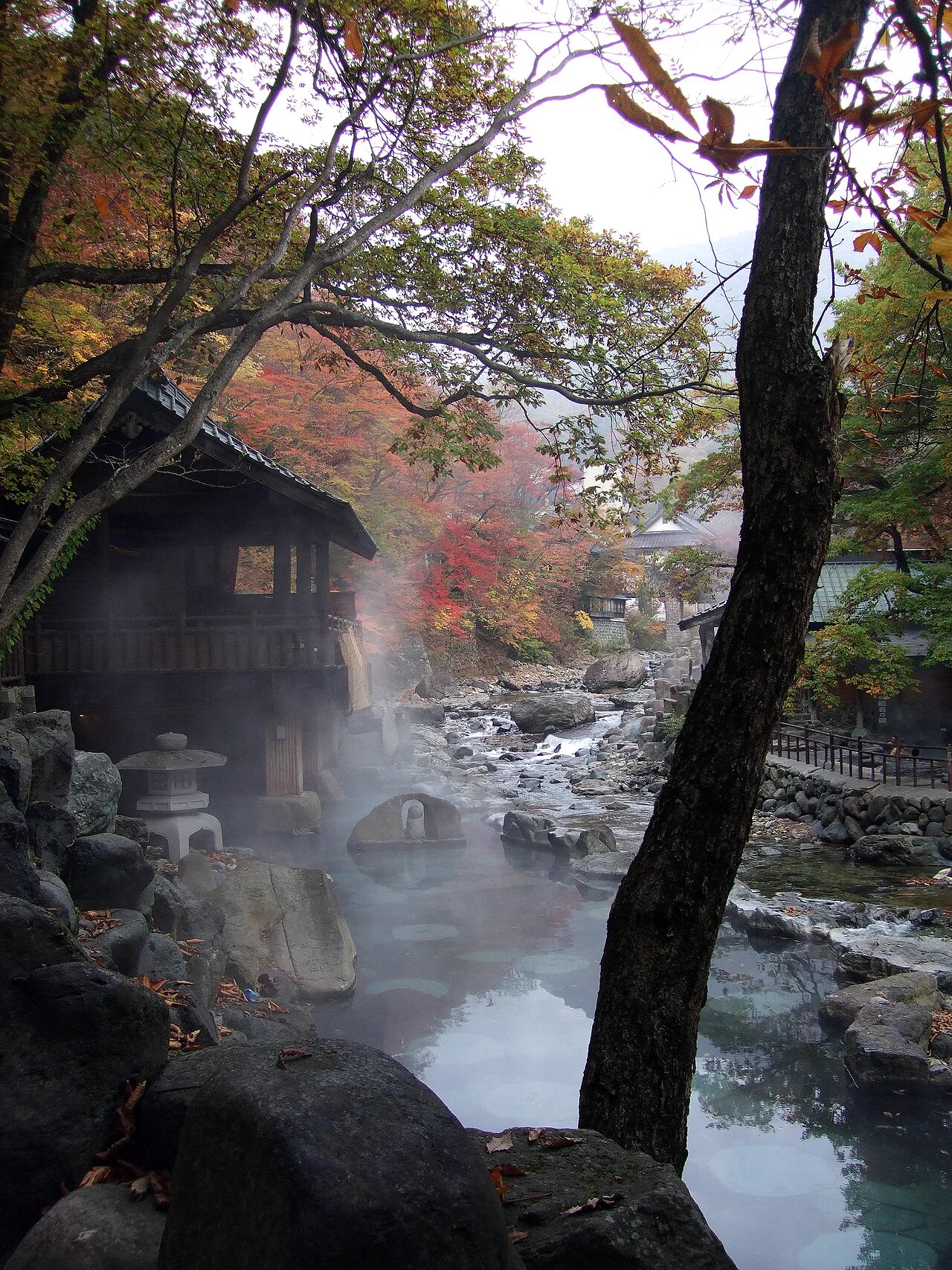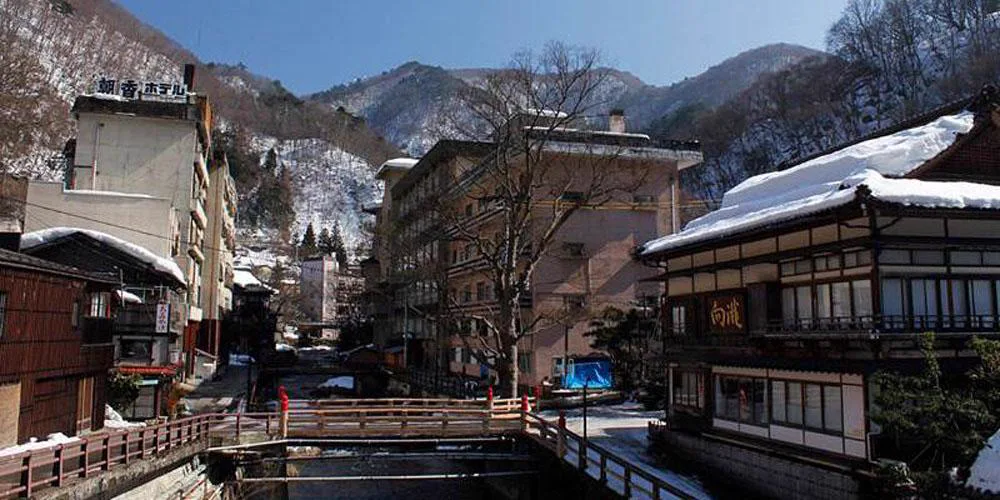
Aizu-Wakamatsu and Higashiyama Onsen in One Day
Pair one Aizu sight with a Higashiyama bath; check entry and bus schedule first.
Checked: October 24, 2026
Treat this as a sequence, not a checklist. Aizu-Wakamatsu’s sights are spread around the city, while Higashiyama Onsen sits about a 20-minute bus ride from the station. The published bath windows differ, and some inns stop accepting day visitors before their posted closing time.
If you arrive in the morning
Start with one city sight, then travel to the bath after lunch. Tsuruga Castle is a straightforward choice for a first visit; Iimoriyama or Aizu Bukeyashiki can work if they are closer to your hotel or other plans. Do not try to cover all three before an afternoon reception window.
An example schedule—not a timetable—is to reach the city around 9:30 a.m., visit one attraction from late morning, eat lunch, then head toward Higashiyama with enough time for the bath’s final check-in. Toho requires advance contact and has a short afternoon window. Harataki asks bath-only visitors to arrange their own last leg from the bus stop. The day-trip guide covers the practical choice; the day-bath comparison has the property details.
If the bath is the main event
Go to Higashiyama first only if the hotel confirms it is accepting visitors at your arrival time. The Grand Hotel publishes a morning session, while Harataki and Toho are generally afternoon options. Use the rest of the day for a nearby city stop after bathing, rather than crossing town twice.
The bus back can become the limiting factor. Check both directions before setting out and keep a taxi as a considered fallback, not an assumption. Hotel pickups also have eligibility conditions: Harataki excludes bath-only visitors, and Toho’s pickup from Aizu Bukeyashiki-mae is not a station shuttle. The no-car access guide explains those transfers.
A late start or bad-weather version
If you reach Aizu after lunch, call the bath before boarding a bus. A full or closed reception is a reason to keep the afternoon in town, not to rush to a second hotel without checking. In rain or snow, shorten the outdoor sightseeing portion and avoid building the plan around a tight transfer.
Bring a small towel or check whether the admission includes one. The Grand Hotel charges separately for towel rental; Harataki’s day ticket includes a mini towel. Child rates and age rules differ, so confirm those if you are travelling as a family.
For an overnight alternative, see the one-night itinerary. If the decision depends on cost, the budget comparison separates room, meal, transport and optional bath expenses. For a slower visit, compare the ryokan guide and the private-bath guide. The seasonal itinerary is useful when weather changes your sightseeing plans.
Before you leave the city
Confirm three things with the property: that day-use admission is operating, the last reception time, and how to reach the entrance from the bus stop. Then check the bus back to the station. The tourism association specifically warns that day-bath hours can vary or be suspended without notice.
For current operating details, use the association’s day-bath listing as a directory, then verify directly with the inn. Its listings can lag behind changes, so a phone or current official notice is the better basis for travel.