Higashiyama Onsen Through the Seasons: Aizu Walks, Gorge Time and Snow Plans
Plan Higashiyama Onsen by season, with Aizu sightseeing, summer heat, winter roads and the roughly 20-minute bus from Aizu-Wakamatsu Station.
Checked: September 27, 2026
Spring and autumn are the easiest seasons for combining the castle town with an evening in the valley. Summer rewards an early start and a long pause indoors during the hottest hours. Winter can be lovely from a bath, but it is the season when a tight bus connection or long walk with luggage is most likely to become a nuisance.
Spring: historic Aizu before the evening bath
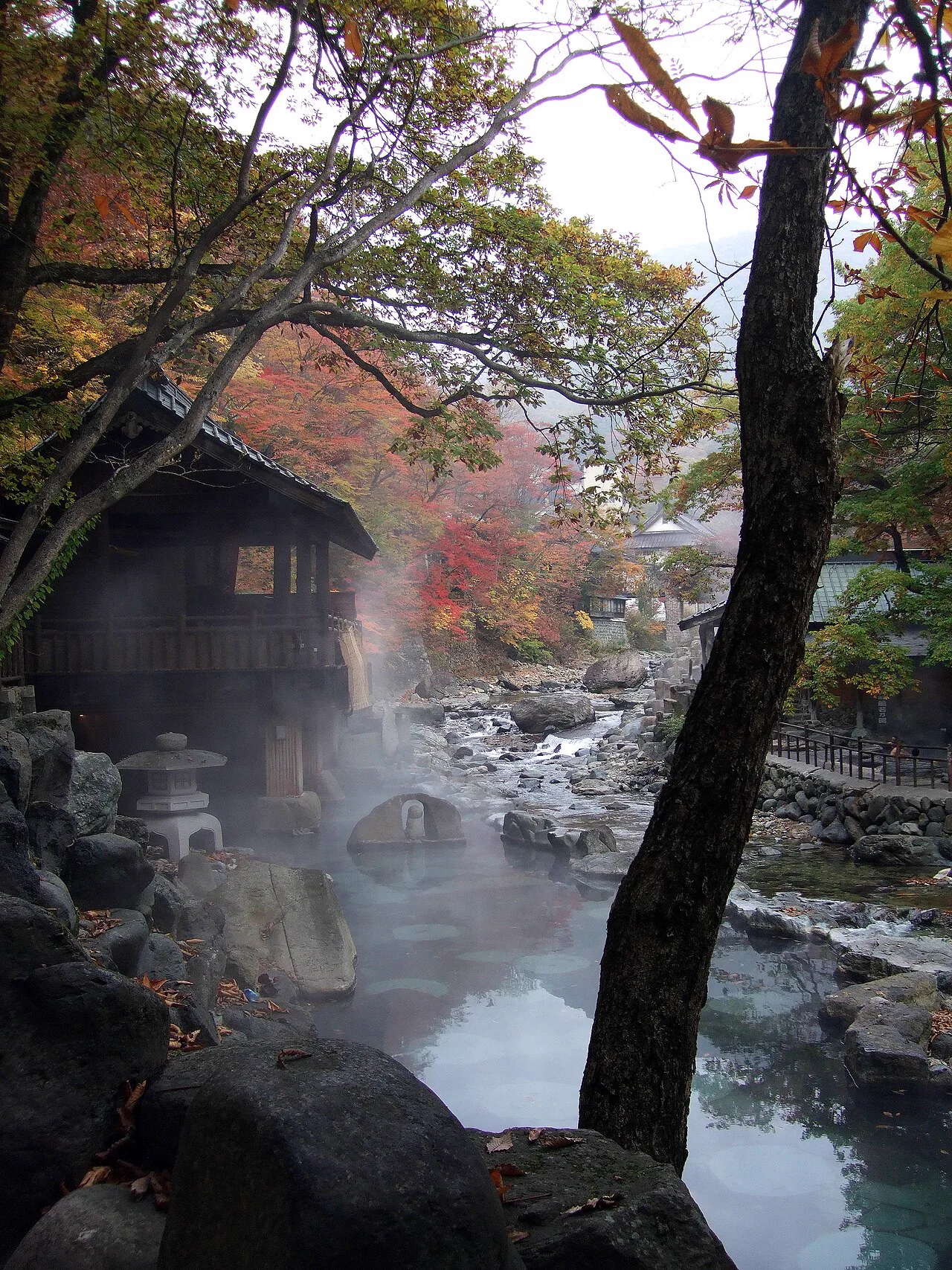
Set aside the daylight hours for Tsuruga Castle or another city sight, then travel to Higashiyama with time to check in before dinner. The district is known for spring blossoms and fresh greenery, though exact bloom timing shifts from year to year. Avoid anchoring the whole day to a forecasted peak; the castle grounds and a short riverside walk still make a coherent day if blossoms arrive early or late.
Summer: take the valley in the cooler hours
The area’s streamside paths and wooded gorge are easier to enjoy before the midday heat or after the sun drops. Harataki’s riverside dining is seasonal, and its 2026 page lists service from late April through September for dinner; the lunch season extends to November 3. These are venue dates, not a promise that a table is available on every day. Reserve directly if the riverfront meal is the point of the trip.
Autumn: leave time for the return to the inn
Autumn colour is one of the district’s strongest draws. Choose one main viewpoint or historic stop in town, then return to the ryokan before the evening gets rushed. A view from a bath or lobby is a pleasant bonus, but room-side and bath-side outlooks are different; confirm the exact room category before paying more for a view.
Winter: shorten the outdoor plan
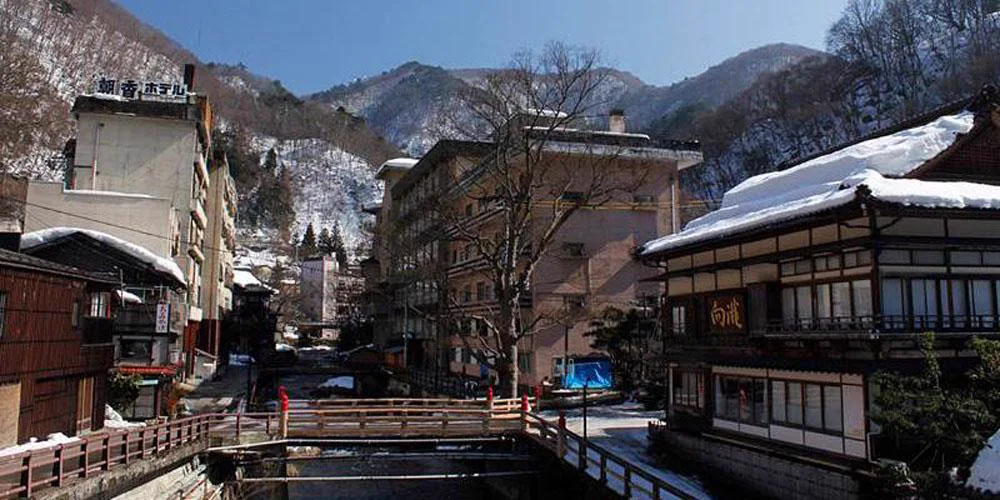
Snow changes walking pace, luggage handling and local bus timing. Keep the city visit to a compact indoor or central stop, and use the inn as the afternoon destination. The bus from the station takes about 20 minutes, but the last walk from a stop to a hillside or riverside property can be slower on snow or ice. Check the operator’s timetable and the inn’s pickup arrangement on the day you travel.
The district’s spring description is a regional overview, not a claim that every bath uses identical water. The association describes Higashiyama as a calcium-sodium sulphate/chloride spring with about 1,500 litres per minute across the area; Harataki separately lists its own source as a sulphate spring at 56.5°C. That specific analysis belongs to Harataki and should not be assigned to the other inns or treated as a bathing temperature for the other hotels.
A flexible day plan, with one bath as the fixed point
For a day visit, a useful outline is to reach Aizu-Wakamatsu around 9:30 a.m., take one city sight at about 10:30, have lunch around 1 p.m., and head to Higashiyama by 2. A 3 p.m. bath only works if the property accepts day visitors and the bus connection leaves enough margin. In winter, confirm the return bus or pickup before setting out and move that decision earlier; the source material does not establish one year-round temperature table or a fixed all-day budget.
Spring and autumn allow a longer walk, but the temperature drops after sunset. In summer, make midday an indoor rest and carry water for the cooler-hour walk. In winter, check snow and the bus before choosing any uphill or riverside route. When weather worsens, remove the farthest viewpoint first, keep one indoor Aizu stop and the confirmed bath, then leave time for the return. Room views and bath views vary by property and category; a seasonal photograph is not a room guarantee.
Families should confirm children’s meals and bath rules; older guests may need to check slopes, elevators and pickup arrangements; solo travellers can link a city bus trip with a single bath without building a full overnight plan. If one person in a group does not want to bathe, choose a property with a usable lounge or dining area as the meeting point rather than assuming everyone will follow the same schedule.
If weather cuts the outdoor portion short, keep the castle-town visit and the bath as the day’s two anchors. For a walkable arrival and departure, the no-car stay guide covers bus stops and hotel pickups. The day-bath comparison is useful if the season leaves only a few hours for bathing.