One Night in Higashiyama Onsen: A Practical Aizu Itinerary
Plan an Aizu sight, ryokan stay and morning bath; check meal and check-in times.
Checked: October 24, 2026
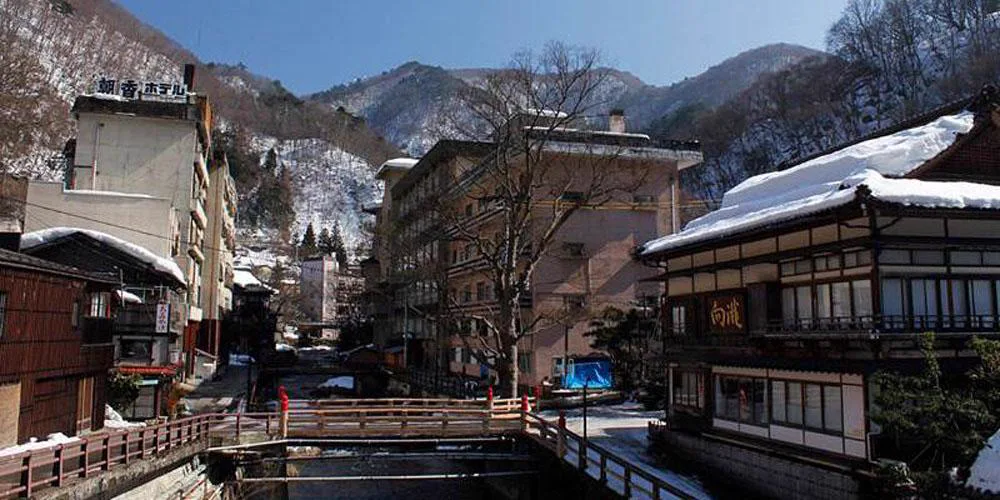
Higashiyama Onsen is close to Aizu-Wakamatsu, but it is not another stop inside the castle district. Plan the transfer and check-in as part of the day. The city tourism guide puts the bus ride from the station at about 20 minutes; winter roads and luggage can add time.
Day one: leave room for check-in
Choose one main attraction—Tsuruga Castle, Iimoriyama or Aizu Bukeyashiki—and check its opening hours before travelling. Ask the inn whether it can hold luggage if you arrive before the room is ready. After lunch, head to the onsen with enough margin for the property’s check-in deadline and dinner start.
Do not build a fixed timetable around a generic 3 p.m. check-in or 6 p.m. dinner. Each inn and plan sets its own schedule, and a late arrival may affect the meal. Confirm the details when booking. For transfer options and pickup eligibility, use the no-car access guide.
Choose the bath around dinner
Some guests prefer a soak before eating; others would rather settle in and bathe afterward. Check when the large baths close for cleaning and whether the men’s and women’s areas switch during your stay. A posted bath schedule is more useful than assuming the facility is open continuously.
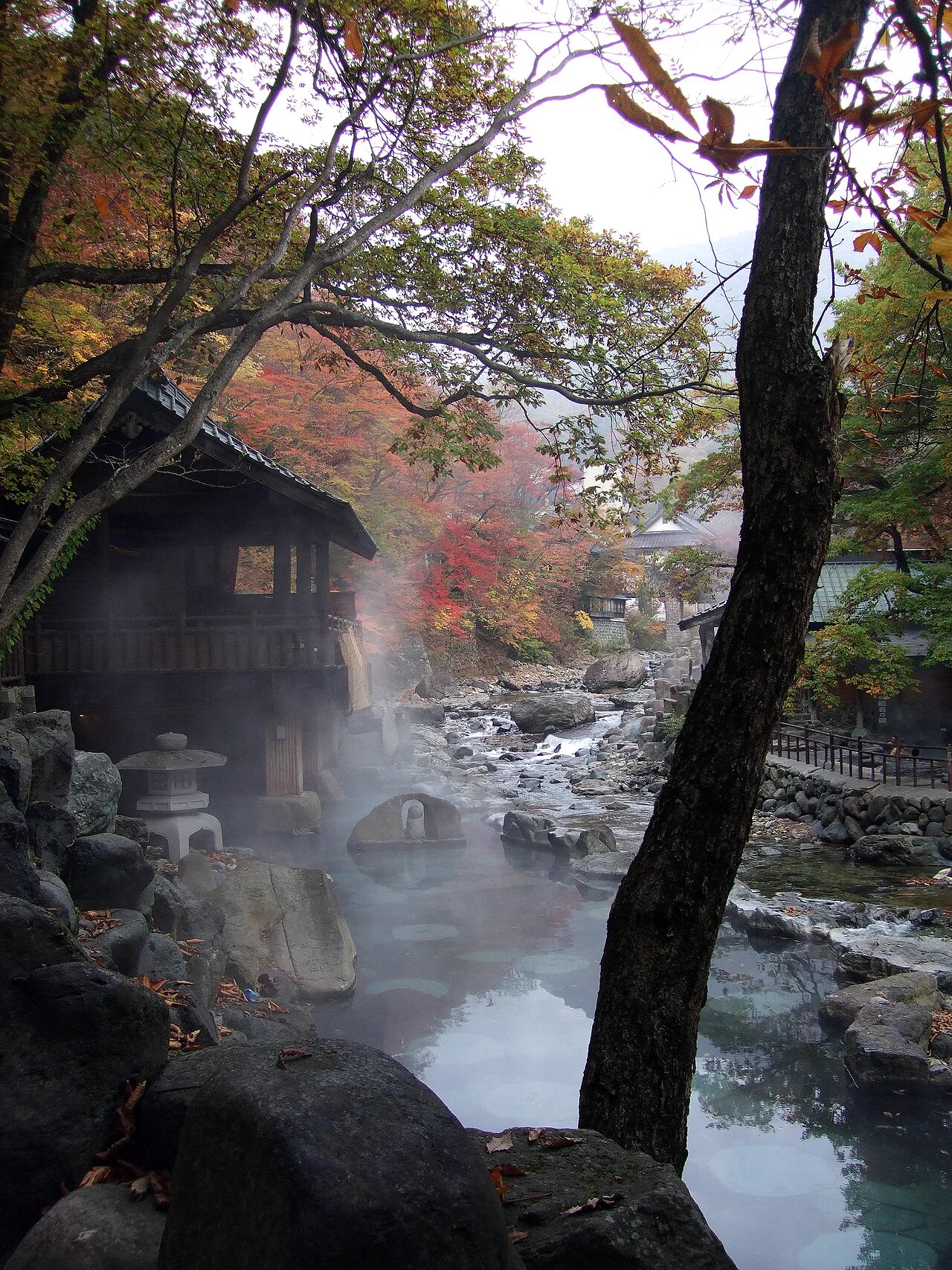
Harataki has a gorge-side outdoor bath and selected rooms with a private spring bath. Onyado Toho’s large baths look over Aizu-Wakamatsu, while Higashiyama Grand Hotel combines bathing with buffet dining. These differences affect the stay more than a generic “onsen hotel” label. See the ryokan comparison for property character and the private-bath guide for room baths versus reservable sessions.
Day two: take the morning at the inn
If you want another soak, bathe before breakfast only when the inn’s listed hours allow it. Then check out, collect your bags and return to Aizu-Wakamatsu Station. Travellers continuing to Tokyo or Sendai should check the onward train before adding another city stop. If you have more time in Aizu, leave luggage at the station or arrange storage with the inn before checkout.
The day-trip itinerary is a better fit for travellers who need to return the same day. For a more detailed decision between one bath and a night’s stay, read the day-trip guide.
Compare the full booking, not the headline rate
There is no stable same-date room price to quote across the inns. Compare the same night, party size, room category and meal plan on each booking site. Check whether dinner and breakfast are included, whether a room’s bath uses hot-spring water, and what the cancellation terms say. Add transport and any optional private-bath charge separately; do not add a day-use ticket for bathing already included in the stay.
For a family or an older traveller, check the actual path from room to bath, stairs or elevator access, meal seating and any pickup restrictions. A shuttle may cover only overnight guests or a specific stop. The budget stay comparison breaks down what belongs in the total; the day-bath comparison is for visitors who are not staying overnight.
If you are still choosing between room types, see the private-bath comparison and Higashiyama ryokan guide. For a shorter schedule, the day-use options list the current admission conditions to verify before travel. The seasonal guide helps with weather and timing.