Ibusuki Without a Car: Sand Bath Recovery and an Overnight Stay
Plan a car-free Ibusuki trip: bus stops, bath recovery and when to stay in town.
Service alert: A typhoon-damaged section has taken Saraku’s sand bath out of service for October 24–25, 2026. On October 24, the operator said it had not set a restart date for October 26 or later. The indoor bath is scheduled to stay open on the 24th and 25th. Check for another notice before travelling if you have sand bathing in mind.
Ibusuki’s main sights are spread across the southern peninsula, so a no-car day needs a short list. The local sightseeing loop links Saraku, Yamakawa, Nagasakibana, the Flower Park and Lake Ikeda, but it makes only four round trips a day. A bus pass does not create extra departures. Pick one distant stop, keep the return service in view and leave space to wash, change and rest after bathing.
For the trip down from the city, compare JR and highway-bus options in the Kagoshima-to-Ibusuki access guide.
A bus day works when the stops sit on one loop
The “Nottari-Ottari” sightseeing bus leaves JR Ibusuki Station and circles several visitor areas, including Saraku, Yamakawa Port, the entrance for Healthy Land, Sayuri, Flower Park, Nagasakibana and Lake Ikeda. The tourism association currently lists four round trips daily. That is enough to connect a couple of well-chosen stops, not enough to treat every stop as a quick hop-on outing.
Buy the one-day pass before boarding if the loop suits your plan; it costs ¥1,500 for adults and ¥750 for children and covers the designated Ibusuki stops. The two-day version costs ¥3,000 for adults and extends to routes toward Chiran. Current timetables are linked from the tourism association’s bus-pass page; the local bus timetable changed on October 1, 2026, so older screenshots may no longer line up.
At Sayuri, the stop is not the entrance itself: allow roughly 11 minutes on foot from the bus stop, with a change in elevation. That walk is the detail most likely to disrupt a tight connection, especially in rain or heat. Ask the driver which return departure serves your stop and confirm the walk back before leaving the bus.
The Yamakawa no-car half-day plan keeps the southern stops on one route and spells out the uphill walk to Sayuri.
One far stop, then a bath
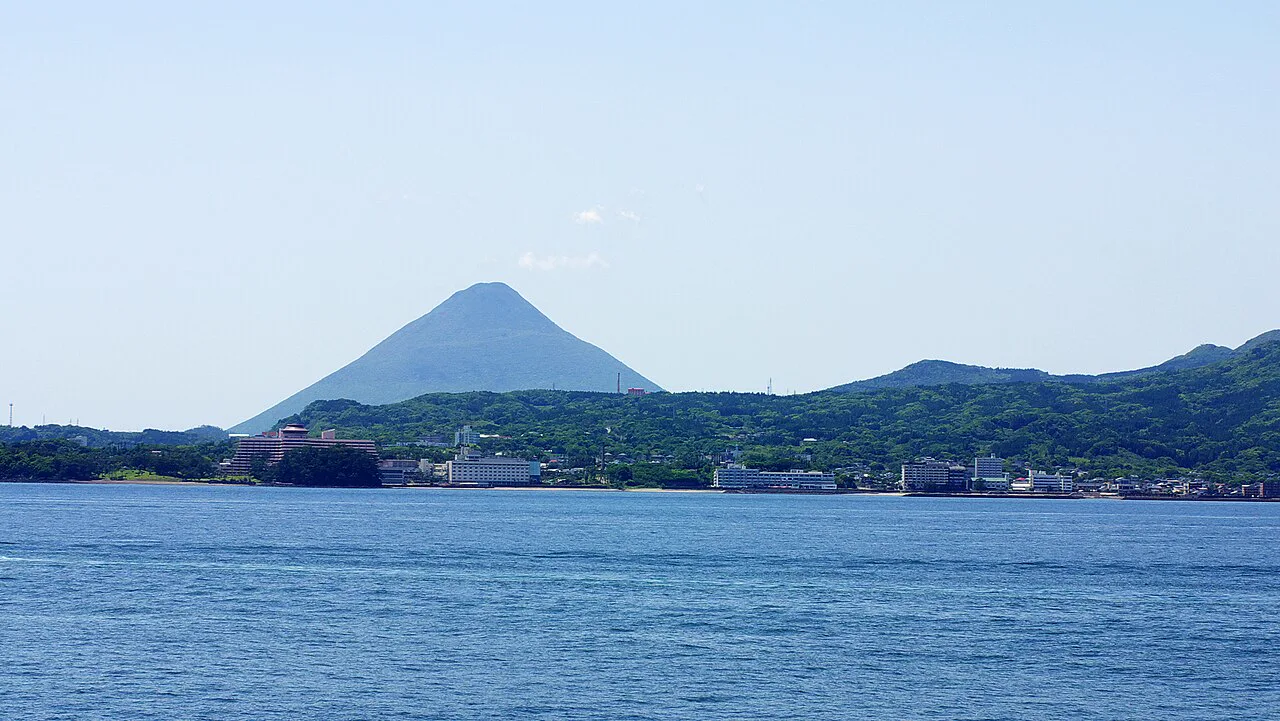
Nagasakibana and Lake Ikeda are both worthwhile, but combining them by bus leaves short windows at each and little flexibility if a departure is missed. For half a day, choose one: the coast and Ryugu Shrine at Nagasakibana, or the crater lake and its open view of Kaimondake. Nishi-Oyama Station is served by JR, not by the sightseeing loop; it needs its own train check and should not be treated as a bus transfer.
For the sand-bath entrance, facilities and current restrictions at the southern site, see the Sayuri visitor guide.
If a small group wants to cover more ground, the sightseeing taxi is a paid alternative. A three-hour standard-car course that includes Nishi-Oyama, Nagasakibana, Lake Ikeda and the Kaimondake area is listed at ¥18,000 for up to four people. That is ¥4,500 each when four share, before meals or admissions; a two-person split is ¥9,000 each. The route gives you less waiting between distant stops, but each stop remains brief. A fifth passenger requires arranging a larger vehicle in advance.
Leave recovery time after the sand
When Saraku is operating normally, budget about an hour for the full visit before adding any queue. You change into a yukata, walk to the sand area, bathe, rinse and get dressed. The sand session itself is short; the shower and the transition back to street clothes take longer than many people expect. Take water and leave a quiet gap afterward instead of scheduling a long walk or a tight onward connection.
From Saraku, Ibusuki Station is about a 20-minute walk or a short taxi ride. A bus also stops beside the facility, but check the next departure before entering. If you are carrying a suitcase, use station-area storage or a paid locker rather than taking it on the sand-bath route. The facility provides paid lockers in its changing rooms, but they are for belongings during the visit, not a sightseeing base for the rest of the day.
The luggage-after-checkout guide covers storage options when your accommodation is no longer holding your bags.
On a hot, humid afternoon or after a tiring train journey, keep the outdoor portion modest. If rain or wind makes the coast unpleasant, trade the second scenic stop for a longer break in town. Sand bathing is an optional part of the day, not a reason to push through dizziness or discomfort.
When staying overnight is the better trade
A day trip from Kagoshima can work if the first train gets you to Ibusuki early and the plan has one or two stops. Add the peninsula’s southern coast, Lake Ikeda, a sand bath and a return train on the same day, and every delay starts to matter. An overnight stay is a better fit when you want dinner after bathing, travel with someone who needs a slower pace, or have an early departure the next morning.
The day-trip versus overnight guide compares the time trade-off; the stay-area guide helps place the night near the station, beach or resort facilities.
Ibusuki Hakusuikan keeps its large bath complex and sand bath within the resort grounds; check the building location and the amount of walking between your room and facilities. Ibusuki Syusuien sits closer to Saraku and suits a plan built around a ryokan dinner. Both properties publish station shuttle arrangements; reserve or confirm the departure that matches your arrival rather than assuming the next bus will wait.
For a single night, decide the next morning’s first stop before choosing your dinner and shuttle. If the early train matters more than a slow breakfast, price a taxi in advance. The Saraku–Sayuri comparison can help settle which bath belongs in the route, while the Ibusuki first-timer’s guide explains the changing and rinsing sequence.
If a later soak is part of your plan, check which Ibusuki baths stay open after dinner. Travelling with an older relative or child? The family and senior bathing guide compares the facilities and walking demands.
Transport, facility and accommodation sources
- [Ibusuki Tourism Association: sightseeing loop, pass prices and October 1, 2026 timetable link](https://www.ibusuki.or.jp/access/city/plan/) - [Ibusuki Tourism Association: local transport overview and service frequency](https://www.ibusuki.or.jp/access/city/) - [Ibusuki Tourism Association: fixed-route sightseeing taxi courses and fares](https://www.ibusuki.or.jp/access/city/taxi/) - [JR Kyushu: Nishi-Oyama Station timetable](https://www.jrkyushu-timetable.jp/cgi-bin/sp/sp-tt_dep.cgi/2900601/) - [Saraku English site: access, lockers, hours and prices](https://www.ibusuki-saraku.jp/en) - [Ibusuki Tourism Association: temporary Saraku sand-bath closure notice, October 23, 2026](https://www.ibusuki.or.jp/news/2026/10/23/30423.html) - [Ibusuki Hakusuikan: access and shuttle information](https://www.hakusuikan.co.jp/access/) - [Ibusuki Syusuien: access and shuttle information](https://www.syusuien.co.jp/access.html)Checked October 24, 2026.