Ibusuki Sand Bath: What to Expect at Saraku, Step by Step
At Saraku, wear the rented yukata into the heated sand bath; adult entry is ¥1,500 with your own towels, and allow about an hour plus any queue.
Checked: September 27, 2026
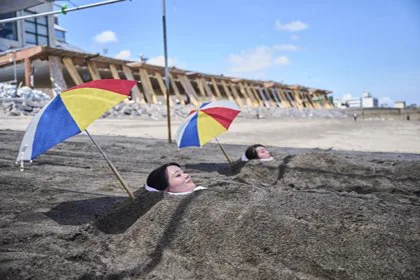
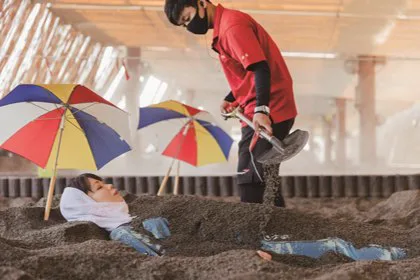
At Saraku, “sand bath” means lying down in a yukata while staff cover you with naturally heated sand near the shore. The sand-bath portion is usually about ten minutes, but that is a guide, not a target to endure. The full visit includes changing, the sand bath, rinsing and—if you want—a soak in the indoor hot spring bath.
Choose a set before you queue
| Adult plan | Price | Included |
|---|---|---|
| Minimum set | ¥1,500 | Sand bath, yukata and public bath; bring your own towels |
| Towel set | ¥1,800 | Adds the Saraku face towel |
| Saraku set | ¥2,100 | Adds the face towel and a rental bath towel |
| Innerwear set | ¥2,600 | Adds rental innerwear as well as the towel items |
| Children’s plan | Price |
|---|---|
| Minimum set | ¥800 |
| Towel set | ¥1,100 |
| Saraku set | ¥1,400 |
| Innerwear set | ¥1,900 |
Adult and child prices rise during designated holiday periods, including December 29, 2026–January 3, 2027.
Saraku opens at 8:30 a.m. and closes at 9 p.m. Sand-bath reception ends at 8 p.m. and pauses from noon to 1 p.m. on weekdays. Queues can bring an earlier cutoff. A maintenance closure is listed for December 14–18, 2026.
The changing-room routine
Pay at reception and take the yukata and any items included in your plan to the changing area. Change into the rental yukata only; visitors who rent the facility’s innerwear can wear it underneath. Do not wear your own clothes, swimwear or underwear under the yukata. Take the facility’s sand-protection towel and locker key with you.
From the changing rooms, follow the marked route outside to the sand-bath area. You will be guided to a place to lie down, and staff will cover you. There is no need to dig a space yourself. If the heat or pressure becomes uncomfortable, tell a staff member and get out; ten minutes is not a test of endurance.
Rinse before using the hot-spring bath
After the sand bath, return the yukata and rental items as directed. Rinse the sand from your skin—especially between your toes, along your back and around your neck—then wash your body and hair. Only after the sand is gone should you enter the public bathing area. Shampoo and body wash are provided there.
The sand bed and the hot-spring bath are separate parts of the visit. You can finish after rinsing, but many visitors add a soak before getting dressed. If you want more detail about what to do afterwards, see Ibusuki sand-bath aftercare and where to stay.
Photos, weather and health checks
Photography is not allowed in the changing rooms, sand-bath area or bathing area. That rule applies even if the person taking the photo is not bathing. Ordinary rain does not automatically cancel the experience; Saraku can use its covered sand-bath area when conditions on the shore do not suit an open-air session. Strong weather, equipment issues or an early queue cutoff can still affect service, so check the day’s notices.
Saraku allows visitors with tattoos to bathe, subject to the conditions in its official FAQ.
Paid lockers are available in both changing rooms.
Saraku’s visitor guidance lists health restrictions for sand bathing, including blood pressure at or above 180/100 mmHg and some heart, lung, fever and inflammatory conditions. If you have a relevant health concern, ask the facility and your healthcare professional before taking part. Children are accepted from around age two or three according to the facility guidance, but a child needs to be comfortable following staff instructions and able to communicate if the heat feels wrong.
From JR Ibusuki Station, a taxi takes about five minutes and walking takes around 20. Saraku estimates about an hour on site, but add a buffer for queues or a train connection; individual sand-bath visits cannot be reserved.