Yujuku, Sarugakyo or Kawafuru? Choosing a Minakami Onsen Area
Compare Yujuku, Sarugakyo and Kawafuru for a Minakami day trip: bus access, day-bath windows, family and tattoo rules, and what each area offers.
Checked: September 28, 2026
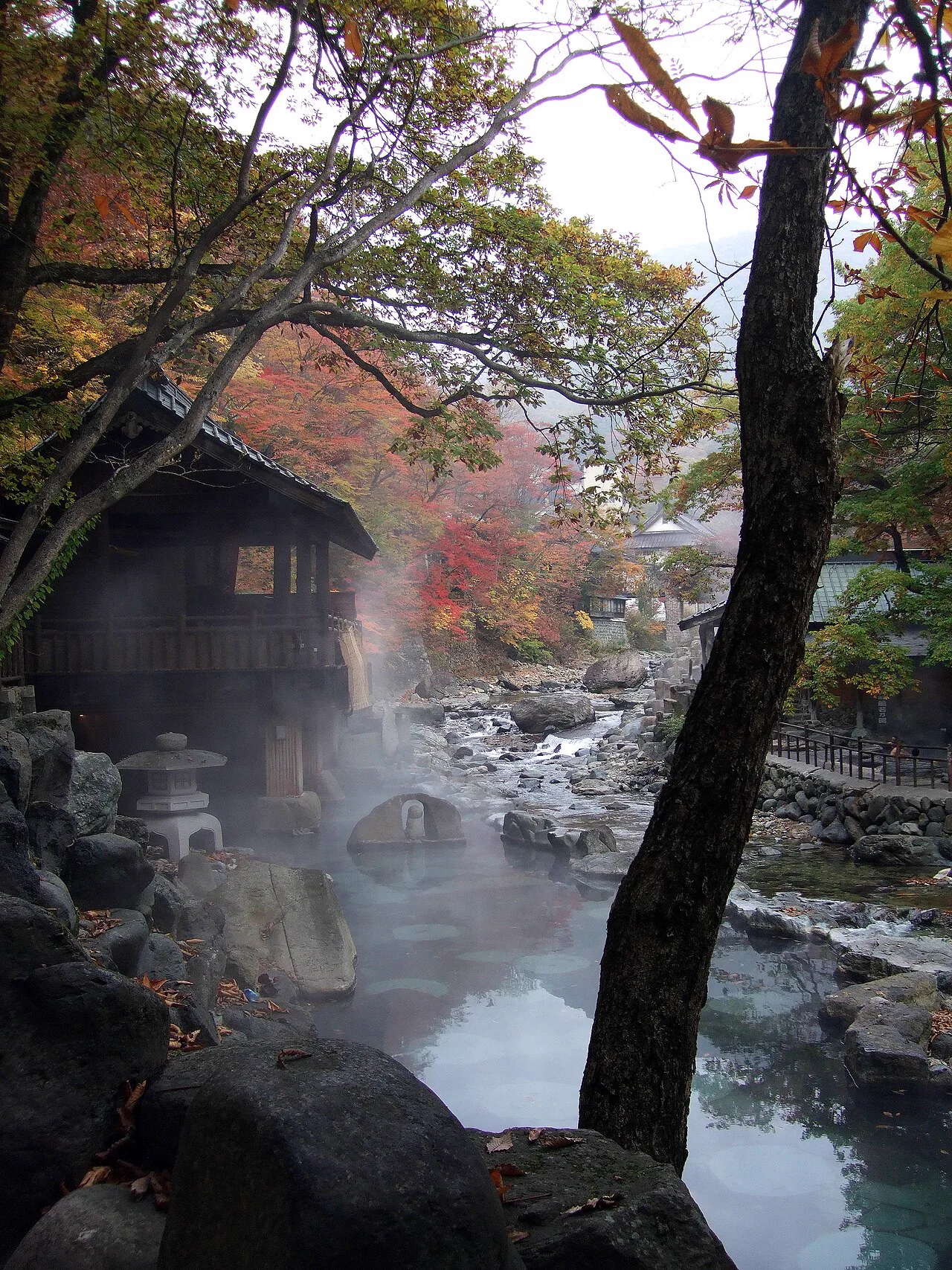
Yujuku and Sarugakyo sit on the same bus corridor, with Yujuku first and Sarugakyo farther along the route. Kawafuru is a different proposition: Hamaya Ryokan sits away from regular bus service, and the visit is built around its warm water and the slower pace of a traditional toji lodge.
For a compact no-car visit, Yujuku can be the easier stop. Choose Sarugakyo when you want more bath and meal options in one area. Kawafuru is for a slower visit when you can handle the last leg by car or taxi. This is an area-level comparison, not a substitute for checking a specific inn’s admission window. For Hamaya versus Hoshi Onsen, see Kawafuru or Hoshi Onsen.
| Yujuku Onsen | Sarugakyo Onsen | Kawafuru Onsen Hamaya | |
|---|---|---|---|
| What defines the visit | Small inns, a historic post-town feel and short day-bath windows | A choice of day baths, Akaya Lake views and a larger public spa | 37–38°C baths and an unhurried toji atmosphere |
| Adult day-use price | ¥660 at Kanetaya; ¥700 at Taiyoukan | From ¥500 at Hashiba; ¥950 for three hours at Mantenboshi-no-Yu | ¥1,000 at Hamaya |
| Public transport | About 20 minutes from Jomo-Kogen to Yujuku Onsen-kami; Taiyoukan is about a 10-second walk from the stop | Same bus route, farther along; some facilities are a short walk from their stops | No regular service to the inn; taxi or car needed |
| Family and tattoo rules | Vary by inn; check the specific bath | More family amenities at Mantenboshi; Choseikan accepts tattooed bathers, Mantenboshi does not | Day visitors should confirm bathing rules with Hamaya |
| Main catch | Historic communal baths are not open to casual visitors; inns have short windows | Each facility has its own rules, hours and closures | Hamaya can decline day visitors when staying guests take priority |
Sarugakyo is a cluster, not one bath
| Facility | Day-use admission | What the ticket gets you | Practical details |
|---|---|---|---|
| Mantenboshi-no-Yu | Adults: ¥950 for three hours; five-hour and day passes are also available | Rest area, dining and sauna; the two bathing areas alternate by day | Closed Tuesdays except holidays. Tattoos are not permitted. |
| Yumoto Choseikan | Outdoor bath: adults ¥600, children ¥300. Indoor bath: adults ¥1,000, children ¥500. | Choose between the indoor bath and the outdoor bath, which faces the Tanigawa range | The outdoor bath is down roughly 80 steps. Confirm which option is open if stairs are difficult. |
| Hashiba | Adults: ¥500; children: ¥300 | A simple 100% natural-flow hot spring bath, with no meal service for day visitors | Usual hours are 8 a.m.–6 p.m.; irregular closures mean a call ahead is useful. |
The lowest ticket price is at Hashiba, while Mantenboshi has the most on-site amenities. Choseikan’s price depends on whether you want the indoor or outdoor bath. For another Minakami comparison, see Kawafuru or Hoshi Onsen and the broader Minakami day-use onsen guide.
Yujuku is the first bus stop, but its inns are not all walk-in baths
The 2026 Kan-Etsu Kotsu timetable serves Yujuku before Sarugakyo. Taiyoukan puts the ride from Jomo-Kogen Station at about 20 minutes, and Yujuku Onsen-kami stop is roughly a 10-second walk from the inn. Sarugakyo is another 15–20 minutes along the route on many trips. This timetable runs April 1–December 15, 2026; check the return bus for your date before settling on a bath.
Yujuku works best when you choose an inn first and plan around its bathing window.
| Inn | Day-bath hours and admission | Planning note |
|---|---|---|
| Taiyoukan | 11 a.m.–3 p.m.; last entry 2 p.m. Adults ¥700; children aged four and up ¥500 | Cleaning or crowding can affect access. |
| Kanetaya | 3–7 p.m.; last reception 6 p.m. Adults ¥660 | Closed Monday and Tuesday. |
| Otakiya | Narrower day-bathing window | Availability can depend on private reservations and water-storage conditions. |
The Yujuku day-bath guide compares the three inns, with individual pages for Taiyoukan, Kanetaya and Otakiya.
Do not use the old ¥100 communal-bath advice as a visitor plan. Yujuku’s tourism association says the remaining neighborhood baths are reserved for members of their local maintenance groups; Kubo-yu is closed because of deterioration. For a casual day visit, use one of the inns and follow its current terms.
Family and tattoo rules are set by each inn. Taiyoukan charges the child fare from age four. Otakiya’s accommodation guidance generally limits overnight stays to elementary-school-age guests and older; it does not state a day-bath age rule. Kanetaya’s current bathing page does not state a tattoo policy, and the child restriction appears only in the tourism association listing. The three Yujuku inns do not publish a current tattoo rule in the cited pages. In Sarugakyo, Mantenboshi excludes tattooed visitors; Choseikan accepts them.
There is also a difference in how much each inn publishes about its spring. Kanetaya gives a detailed treatment record: its Kubo-yu source is listed at 59.1°C, while the bathing facility is listed at 41°C, with no added water, heating, filtration, recirculation, bath additives or disinfection. Those are measurements for that inn, not a blanket description of Yujuku. Its individual guide explains the distinction.
Kawafuru is for a slower soak
Hamaya’s appeal is its water temperature. The inn lists its source at 39.9°C and says it flows directly into the baths; the warm bath is kept around 37–38°C. That makes it a good match if you find hotter baths uncomfortable or would rather settle in than move from pool to pool.
Adults pay ¥1,000 for day use, with reception from 10:30 a.m. to 2 p.m. and departure by 3 p.m. Those hours do not guarantee admission. Hamaya gives priority to overnight guests and may suspend day visits on busy days or for cleaning, so call before making the drive. Day visitors can use separate indoor baths for men and women, a women-only outdoor bath and two mixed baths. Swimsuits are not allowed; phones and cameras are prohibited in the mixed-bathing rooms.
There is no regular public transport to the inn. The bus reaches Yasumiishi, but the walk from there is about 90 minutes; the inn’s pre-booked pickup is arranged around overnight arrivals, not the day-use window. From Minakami Station, a taxi takes about 20 minutes according to the inn. If you are travelling without a car, Sarugakyo is the more practical choice.
Getting around Sarugakyo without a car
The 2026 Sarugakyo bus timetable is valid from April 1 through December 15. Buses run from Jomo-Kogen and Gokan to Sarugakyo; Mantenboshi-no-Yu lists two nearby stops, with a five-minute uphill walk from Mantenboshi-no-Yu Shita or seven minutes from Sekisho-ato. Check both directions before you leave—the return service is limited, and a long soak can make it easy to miss the bus.
Choseikan and Hashiba are in the settlement, but their admission hours and days are not interchangeable with Mantenboshi’s. Confirm the bath itself, then check the timetable for the specific stop you need. A taxi is a useful backup only if you have arranged one; Minakami’s tourism office notes that local taxis can be scarce, especially later in the day.
Which one makes more sense for your trip?
Choose Yujuku for the shorter bus ride and a small-inn bath, but check the timetable against the exact admission window. Choose Sarugakyo if you want more facilities, a lakeside setting or a longer visit with a rest hall and food on site. Choose Kawafuru when Hamaya’s low-temperature water is the point of the day and you can drive or arrange a taxi. Visiting two areas in one day is possible by car, though the extra travel leaves less time for a slow soak.