Yubara Onsen Day Trip: Central Baths or Riverside Sunayu
In central Yubara, choose Yumoto Onsenkan for indoor baths and a family bath, or free riverside Sunayu. Outlying baths need extra transport planning.
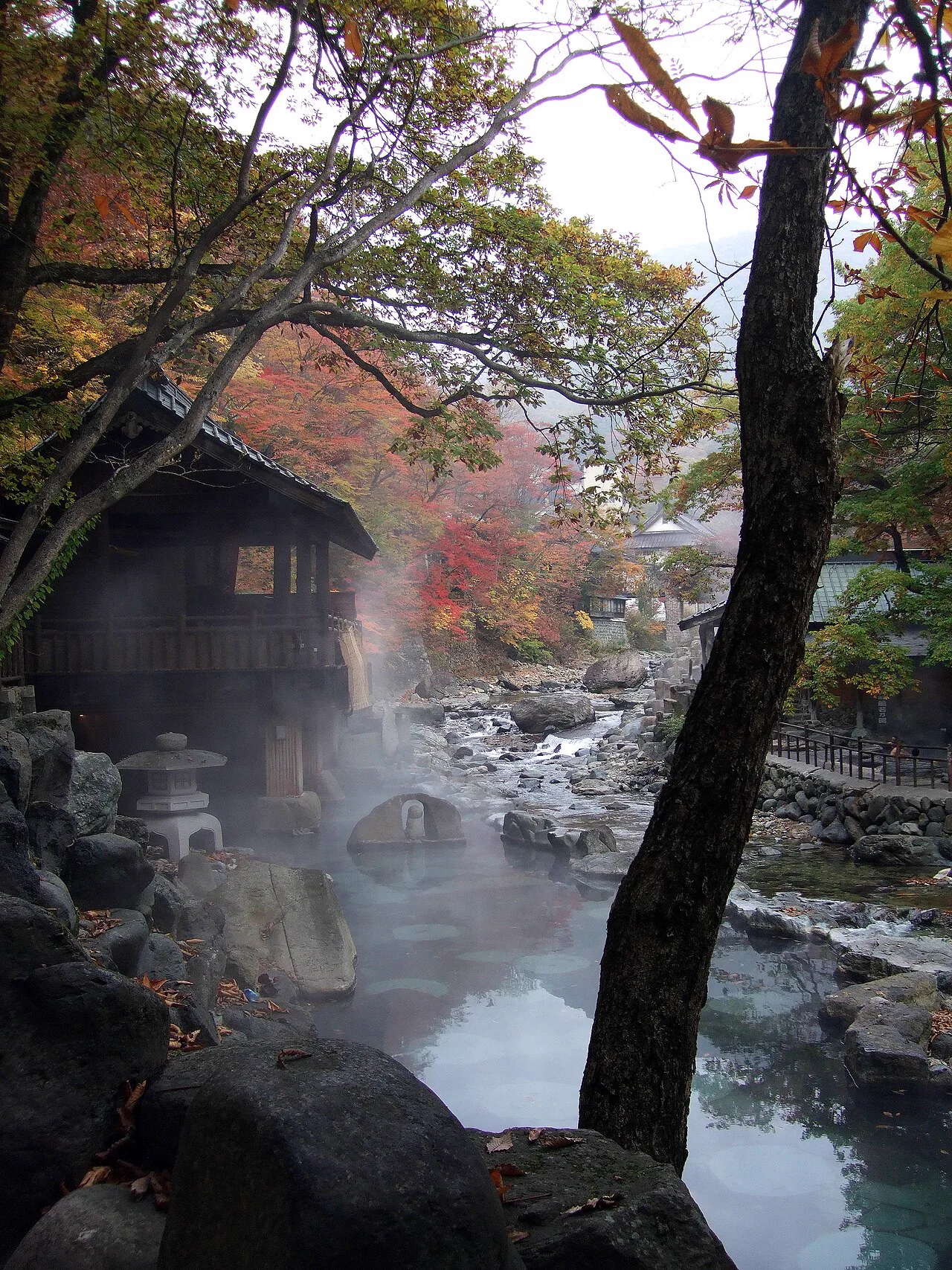
Yubara Onsenkyo is a group of hot-spring areas in northern Okayama, not one compact bathing complex. Sunayu and Yumoto Onsenkan sit near the central hot-spring town; Himawari-kan, Taru Onsenkan and Maga Onsenkan are farther apart. That geography matters more than trying to fit every bath into one day.
If you have no car, start with the central area. Yumoto Onsenkan is the practical choice for a conventional bath, while Sunayu is the open-air experience beneath Yubara Dam. Drivers can add one of the outlying facilities, but check each operator’s closing day and seasonal hours first.
Pick by the kind of bathing you want
| Bath | What it offers | Main planning point |
|---|---|---|
| Sunayu | Free natural pools beside the Asahi River, open around the clock in normal conditions | Mixed bathing; current local rules require swimwear or a bathing garment. Wednesday-morning cleaning and river conditions can interrupt access. |
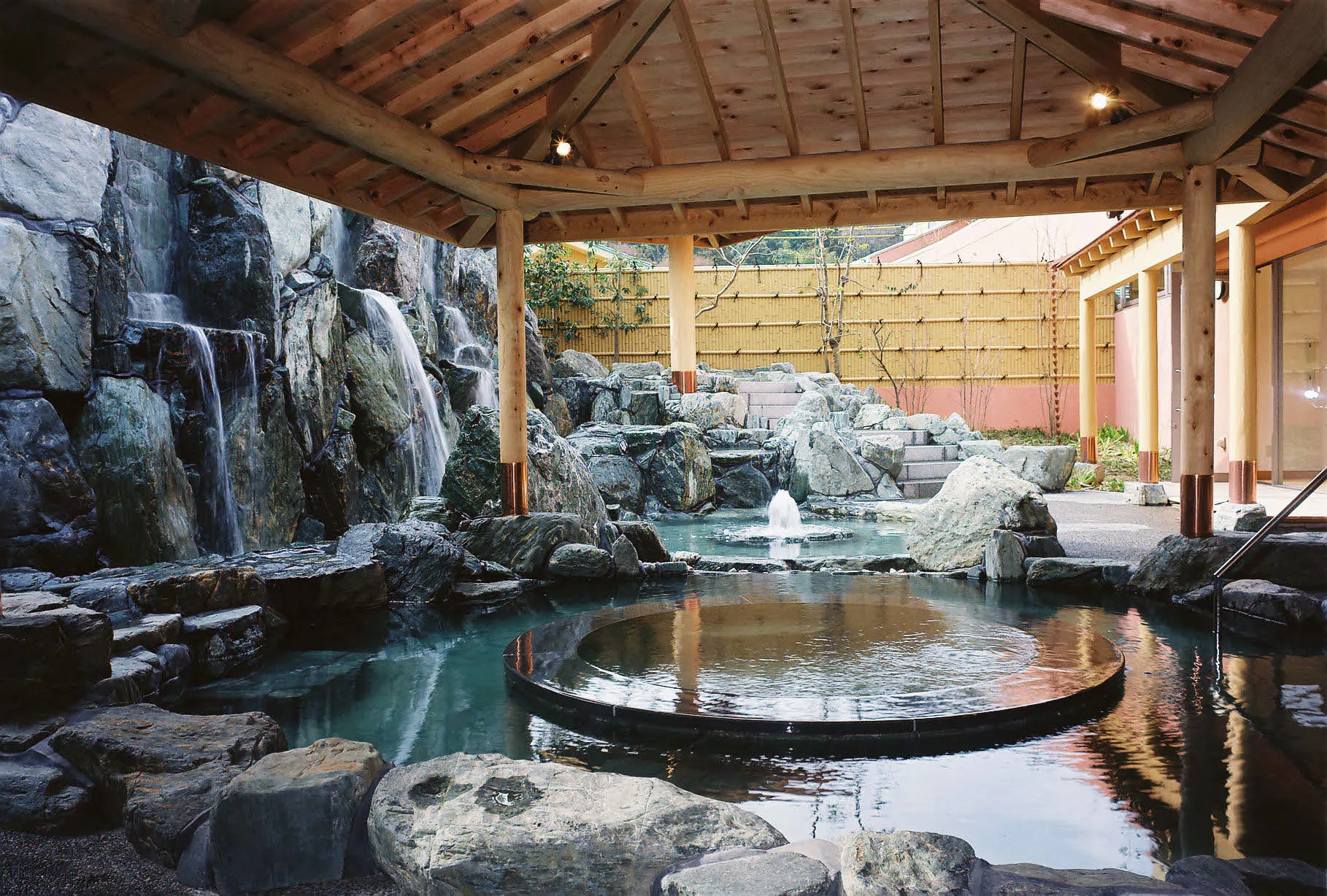
| Yumoto Onsenkan | Indoor gender-separated baths, sauna, family bath and rest space in central Yubara | Adult day admission is ¥800; it normally closes Wednesdays. Last admission is 8:30 p.m. |
| Himawari-kan | Separate outdoor baths using the Shimoyubara spring; no indoor bath | Adult ¥800; normally 10 a.m.–9 p.m., closed Tuesday. From Nov. 1 to Mar. 31, weekday bathing starts at 3 p.m.; weekends start at 10 a.m. |
| Taru Onsenkan | Indoor and outdoor public bathing plus a family bath in the Taru district | Adult ¥800; normally 10 a.m.–9 p.m., closed Thursday. A family bath is ¥3,300 for up to three people for an hour. |
| Maga Onsenkan | A small, traditional bathhouse known for its spring-fed Makuyu | The standard bath is ¥250 for adults; Makuyu is a separate mixed bath. Closed Tuesday, with limited parking. |
The five options are not interchangeable. Sunayu is a river setting with no full indoor bathing routine. Yumoto is the easiest all-rounder if you want a place to wash and change indoors. Himawari-kan suits a trip built around outdoor bathing, while Taru has a family bath for people who want private use. Maga is the pick for a smaller, older-style bathhouse rather than a resort-like facility.
Without a car, keep the visit central
Maniwa’s community bus connects Chugoku-Katsuyama Station with Yubara Onsen and the Hiruzen area. The April 2026 timetable has several departures rather than city-bus frequency, so check the return trip before deciding how long to stay. The stop called Yubara Onsen serves the central district; it does not put every bath in the wider onsen area within an easy walk.
A straightforward half-day is Yumoto Onsenkan followed by a walk to Sunayu, if the mixed-bathing rules suit you and the riverside bath is open. They offer different experiences, and both are in the central area. Reaching Himawari-kan, Taru or Maga takes more planning; do not assume a bus will arrive when you are ready to move on.
Current details for a central stop
Yumoto Onsenkan is open 10 a.m.–9 p.m., with last admission at 8:30 p.m. It normally closes Wednesdays, though the city may open it on some holidays.
| Admission | Price |
|---|---|
| Adult | ¥800 |
| Elementary-school child | ¥400 |
| Family bath, up to three people / one hour | ¥4,000 |
Each additional family-bath guest pays the regular admission for their age.
Sunayu is free and normally accessible 24 hours. It is an open-air mixed bath, and the Yubara Onsen Association’s current guidance requires swimwear or a bathing garment. The pools are built around natural springs in the riverbed; it is not a sand-burial bath. There are simple separate changing areas, but no full indoor shower-and-dressing setup. The bath is unavailable during Wednesday-morning cleaning, and river or weather conditions can affect access.
For Sunayu, Maniwa City says there is no dedicated parking lot. Use the riverside public parking area and walk about five minutes. If travelling by bus, check the timetable in both directions; an all-night bath does not mean all-night transport.
What to verify before choosing an outlying bath
The facilities beyond central Yubara do not all share the same weekly closing day. Himawari-kan and Maga Onsenkan normally close Tuesday; Taru Onsenkan closes Thursday. Himawari-kan is an outdoor-only bath, and its winter weekday opening shifts to 3 p.m. The local tourism listing gives its source as 39°C, 600 litres a minute and pH 9.6. Taru’s listed spring is alkaline, pH 9.2; the city identifies it as a flow-through facility. Those figures belong to those facilities, not to every bath in Yubara.
For car-free visitors, central Yubara is the sensible limit for a short visit. The community bus from Chugoku-Katsuyama Station costs ¥200 each way for adults, but service is sparse—roughly six return trips daily on the current route. The stop serves the town centre, not all five districts. Check the timetable both ways before leaving the station; the outlying baths are not a casual hop from Sunayu.
Maga is the lowest-priced option, with a compact, basic bathhouse rather than resort-style changing facilities.
| Bath | Adult | Child |
|---|---|---|
| Standard bath | ¥250 | ¥100 |
| Mixed Makuyu | ¥400 | ¥200 |
| Private bath, up to three people | ¥1,300 | — |
Three private baths are listed. Parking is limited to about five spaces at the building and ten by the riverbed.
The wider area is often summarized as alkaline, high-pH water, but that regional description is not a substitute for facility-level data. Yumoto lists pH 9.3, Himawari-kan pH 9.6 and Taru pH 9.2. Sunayu’s three pools vary in temperature, but current pages do not publish fixed readings; Maga’s pages likewise do not give a full current analysis. Keep the distinction in mind when comparing spring claims.
For a guide to the difference between source and bath temperatures, see Onsen water temperature explained.