Sunayu in Yubara: Swimwear, Access and River-Bath Rules
Check Sunayu swimwear rules, river setting, cleaning and water access today now.
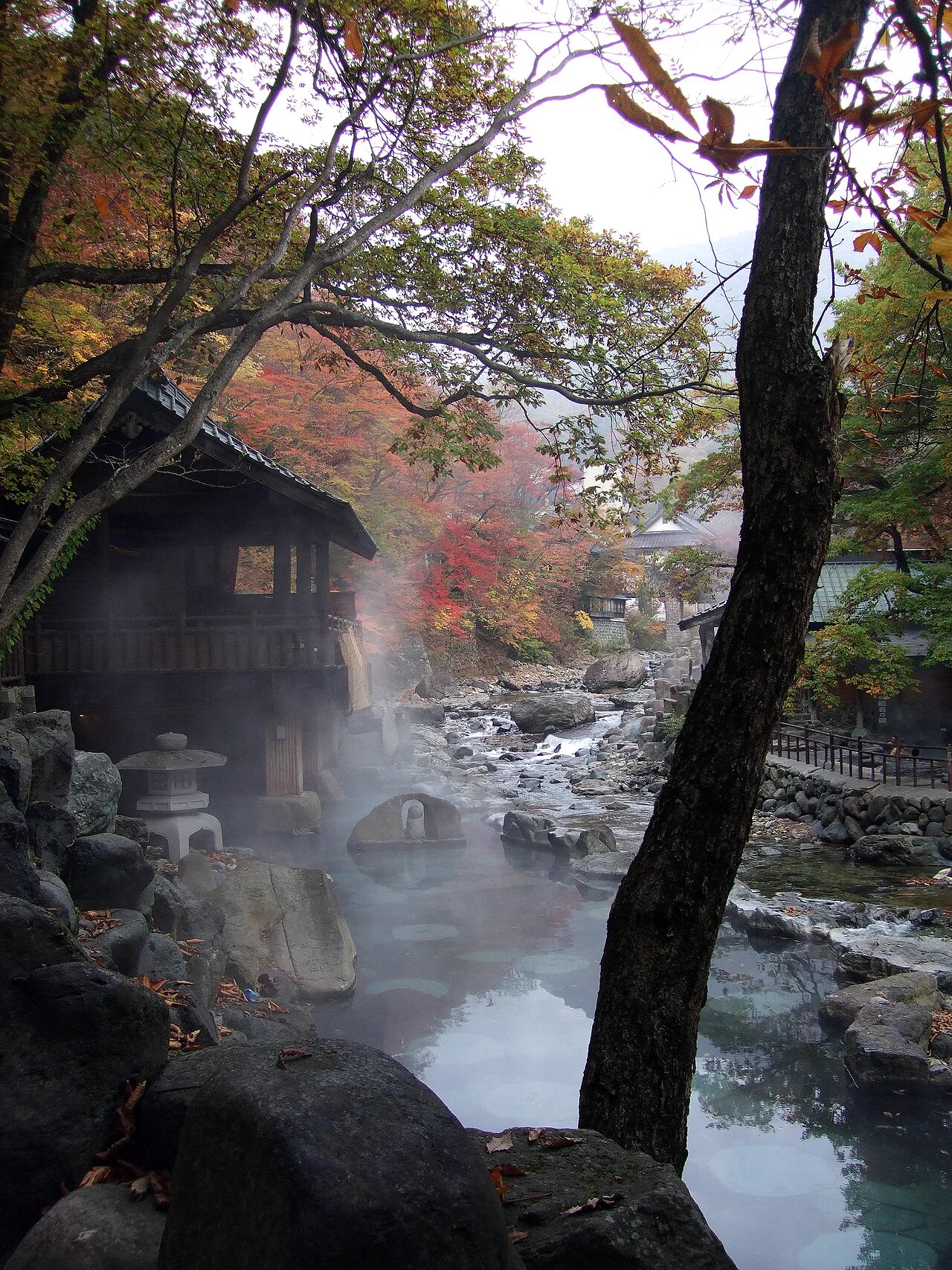
Sunayu is a free outdoor bath where hot water rises through the bed of the Asahi River below Yubara Dam. It is mixed bathing, exposed to the weather and has only basic changing huts. The name can mislead: this is not a hot-sand treatment. Bring a swimsuit or bathing garment and plan around the weekly cleaning period before making the trip.
What to expect at the water
Three rock-edged pools are known locally as Bijin-no-yu, Kodakara-no-yu and Choju-no-yu. The Maniwa City description explains that the springs bubble up through riverbed sand; the water is not a fixed-temperature spa pool. Current visitor pages do not publish dependable year-round Celsius readings for each basin, so check the water carefully before getting in.
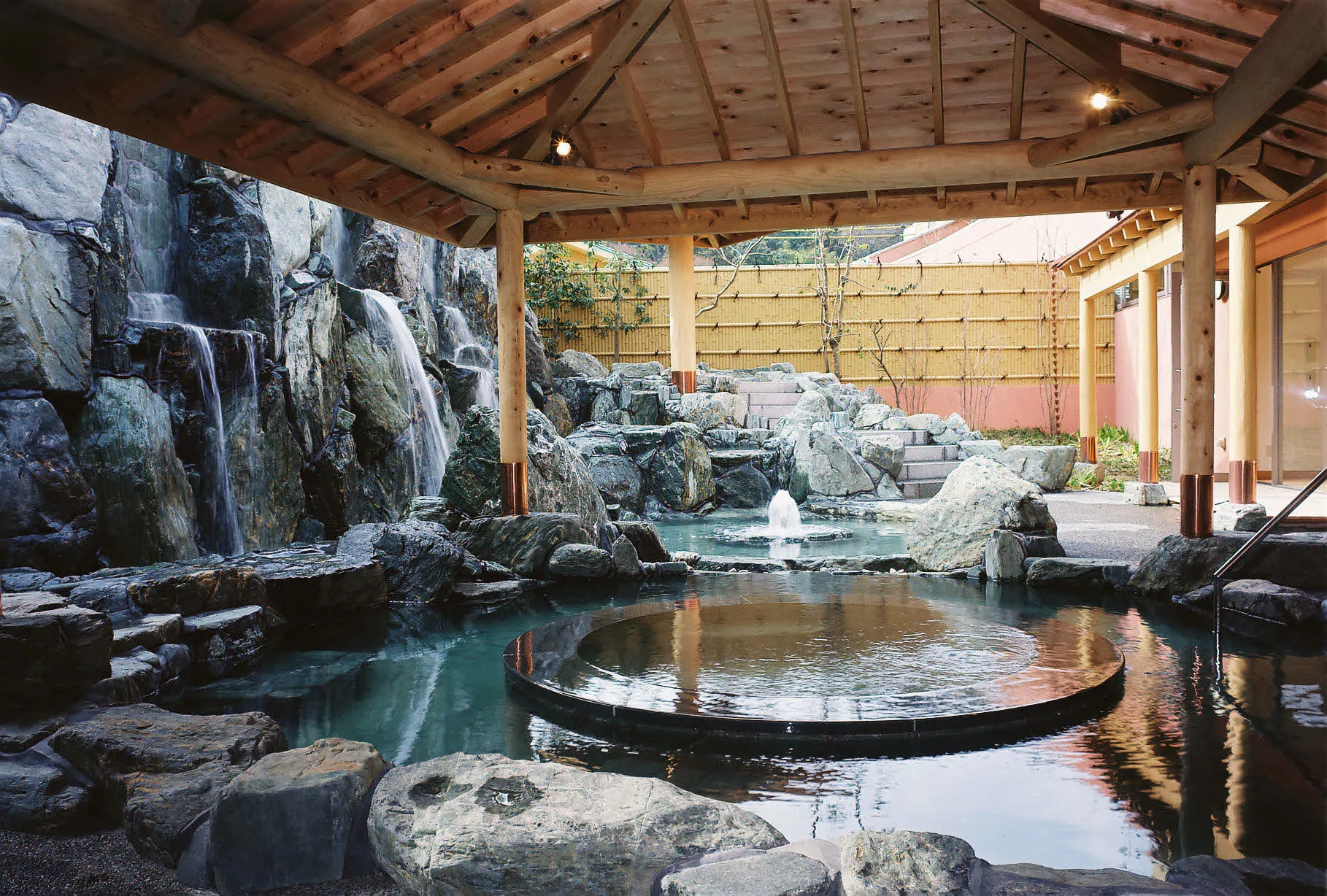
The changing huts are separate for men and women, but they are simple and do not provide secure lockers, indoor showers or a full dressing area. Carry only what you can keep with you. If you need a private bath or indoor washing space, Yumoto Onsenkan has gender-separated baths, a sauna and a family bath. The broader Yubara day-trip guide compares that bath with Sunayu and the outlying facilities.
Follow the current clothing instruction
Yubara Onsen Association’s current visitor guidance says bathers must wear a swimsuit or bathing garment. Some older city and tourism descriptions use softer wording, describing swimwear as permitted or recommending a wrap. Follow the current association instruction and arrive ready to bathe in swimwear or a rented garment; ordinary underwear is not bathing attire.
Rental is not available at all hours. Maniwa Tourism lists a ¥2,000 payment for a day-use bathing garment, with ¥1,000 refunded when it is returned. The Yubara Tourist Information Center rents until 6 p.m. and is closed Tuesdays; Yumoto Onsenkan’s counter rents until 9 p.m. and closes Wednesdays. Participating inns may rent garments to overnight guests for ¥500. Bring your own if you arrive outside those windows.
Because there is no privacy screen around the pools, swimwear does not make the bathing area private. Visitors who are uncomfortable with mixed bathing or an open river setting should choose an indoor bath instead. With children, supervise closely around the uneven stone edges and riverbank. Tattoo admission guidance is not clearly published; ask the association or city before travelling rather than assuming.
Cleaning, river conditions and the walk in
Sunayu is normally open around the clock and has no admission charge, but it closes on Wednesday mornings for cleaning. The current notices do not give a firm reopening time. Treat the displayed hours as the usual schedule, not a promise that the river bath will be accessible at every moment. No current river-level closure threshold or pool-by-pool temperature is published; follow any on-site closure signs and avoid the water if conditions look unsafe.
There is no dedicated Sunayu parking lot. Use the riverside municipal parking area, then walk about five minutes to the bath. The Maniwa community bus stops in central Yubara; allow roughly ten minutes on foot from the town stop and check the 2026 timetable in both directions before setting out. The route has spaced departures, so an all-night bathing listing does not mean there is transport at all hours.
If the outdoor setup is the issue, try the full-service Takebe Yahata Onsen nearer Okayama or compare the city’s three day-use baths. For other rural Okayama options, Hanabijin no Sato at Okutsu, Okutsuso’s brief daytime window and Sagi Onsenkan in Yunogo have different indoor facilities and access needs. Families seeking a pool as well as a bath can check Daikazoku-no-Yu.