Asahiyu or Terume Ryugu? Two Sento Near Osaka Port Compared
Compare two sento near Osaka Port by hours, station walk, sauna, parking and natural spring water. Find the better fit for a late visit or Sunday morning.
After the aquarium, an event or dinner around Osaka Port, Asahiyu and Terume Ryugu can both look like sensible stops. They are not quite substitutes. Asahiyu is four minutes from Asashiobashi Station and open until midnight; Terume Ryugu is about ten minutes away, but has a documented natural spring, an open-air source bath and Sunday morning hours.
| Asahiyu | Terume Ryugu | |
|---|---|---|
| Address | 2-12-26 Tanaka, Minato-ku | 2-3-35 Kosei, Minato-ku |
| From Asashiobashi Station | About 4 minutes | About 10 minutes |
| Adult admission | ¥600 standard sento fare | ¥600 standard sento fare |
| Hours | 14:00–00:00 | 15:00–23:00; Sunday 08:00–23:00 |
| Weekly closure | Wednesday | Thursday |
| Natural spring | Not confirmed in the cited listing | Natural spring from about 1,500 m underground; open-air bath is source-fed |
| Parking | No spaces listed | 8 spaces |
The standard adult sento admission is the same, but sauna charges are separate and should be checked at the desk. Asahiyu’s current association page does not publish a sauna surcharge. Terume Ryugu lists dry and wet saunas but likewise does not give a separate current sauna price on its association page.
Under Osaka’s current public-bath rates, elementary-school children pay ¥200 and preschool children ¥100. Those are bathing fees; towels and sauna access may add to the bill. Don’t assume the ¥600 adult rate covers every facility.
When Asahiyu makes more sense
If you are leaving the aquarium or a late dinner around 22:00, Asahiyu is the safer fit. Its station walk is shorter, and the posted closing time is an hour later than Terume Ryugu’s. It closes Wednesdays, so check the day before building the evening around it.
The association’s current listing confirms its location and hours, but does not spell out the sauna setup. Recent dated user reports describe a dry sauna, steam sauna and cold bath, with a sauna surcharge around ¥200. Treat that as a useful estimate, not a fixed 2026 price or official guarantee; ask at reception if sauna access is important. The listing does not identify a natural spring or provide a spring analysis, so its sauna and bath features should not be described as natural hot-spring water.
Recent reports also mention a small outdoor area upstairs. It works as a place to cool down after sauna, not a scenic open-air spring bath. For a late stop after Kaiyukan or dinner, Asahiyu’s midnight closing gives you more breathing room. It is still closing time, though—not a promise that arriving five minutes beforehand leaves room for a full visit.
What you get for the longer walk to Terume Ryugu
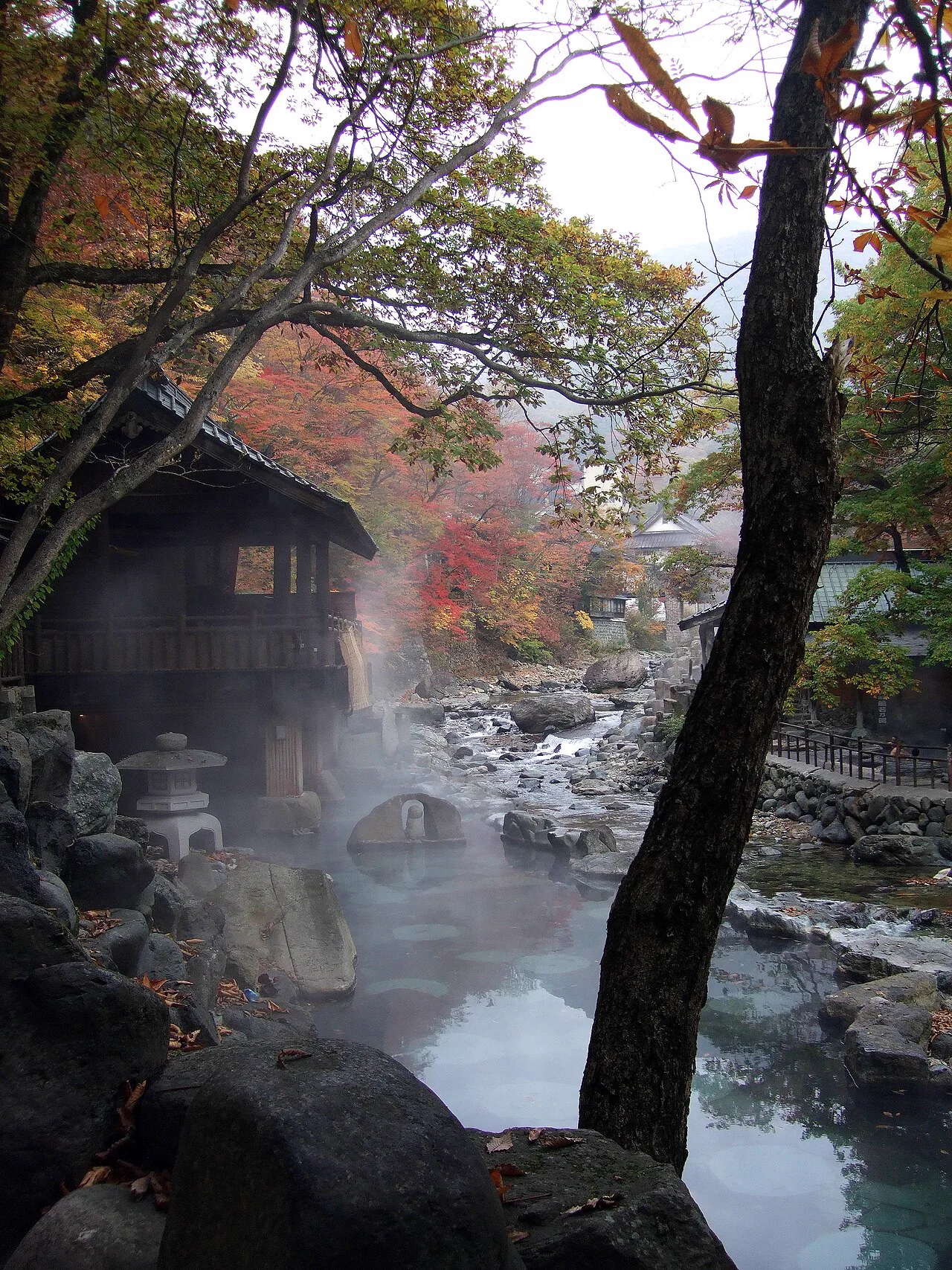
Terume Ryugu draws natural hot spring water from roughly 1,500 metres underground. The outdoor bath is supplied by flowing source water, and some source water also enters indoor tubs. That does not establish the supply method for every bath. The facility has dry and wet saunas, a cold bath and eight parking spaces; a bus stop at Kosei is about a two-minute walk away.
The association confirms the spring and the outdoor bath’s source-fed flow. It also says some spring water enters indoor baths; there is no basis for describing every tub as having the same supply method. Asahiyu’s public listing provides no spring name, analysis, pH, source temperature or flow rate. That is an evidence distinction, not a judgment about the quality of its regular baths.
Sunday is its standout day for an early soak: it opens at 08:00, while Asahiyu does not open until 14:00. Terume Ryugu closes Thursdays. On other days the published opening time is 15:00, with closing at 23:00.
If the trip is about a proven natural spring, the extra walk is the point. If you need a quick bath after a late evening or are staying right by the station, Asahiyu is the more practical choice. Don’t use the two bathhouses’ common ¥600 entry price to assume that the full sauna costs will match.
For a Sunday morning soak, Terume Ryugu is the clear option: it opens at 08:00, while Asahiyu starts at 14:00. The weekly closures matter on other days—Asahiyu is closed Wednesdays and Terume Ryugu Thursdays. If you are near Kaiyukan and dinner runs late, Asahiyu has the longer evening window; if the bath itself is the reason for going, Terume’s spring is worth the extra walk.
Tattoo rules are not clearly published for either bathhouse in the sources cited here. Some third-party pages may show a policy, but that is not the same as a current statement from the operator. Call the bath you plan to visit if you need a definite answer.
For facility-by-facility details, see our Asahiyu guide and Terume Ryugu guide. For other baths around the bay, see the Konohana and Minato sento guide or the Osaka day-use onsen comparison.
If your plans hinge on an early Sunday bath, check the Inari Onsen morning guide. Our Osaka sento overview and morning and late-night bath guide cover more city-wide alternatives.
For a wider choice of spring-water facilities, see the Osaka day-use onsen comparison.
Sources
- [Osaka public bathhouse association: Asahiyu, Minato Ward](https://osaka268.com/sento/%E6%9C%9D-%E6%97%A5-%E6%B9%AF/) - [Osaka public bathhouse association: Terume Ryugu](https://osaka268.com/sento/%E9%BE%8D%E5%AE%AE%E6%B8%A9%E6%B3%89/) - [Osaka public bathhouse association: admission prices](https://osaka268.com/price/) - [Sauna Ikitai: Asahiyu visitor reports](https://sauna-ikitai.com/saunas/3225) Checked: 2026-09-27Tags: Asashiobashi sento, Terume Ryugu, Osaka Port, Osaka natural hot spring