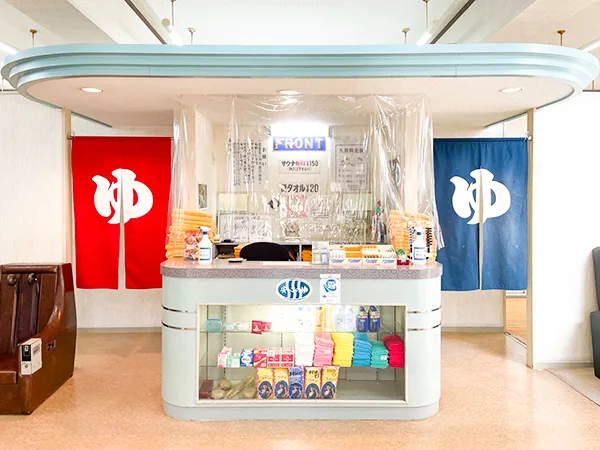
Four Sento for a Bath After Universal Studios Japan
After USJ, compare four Osaka sento by stations, saunas and their closing times.
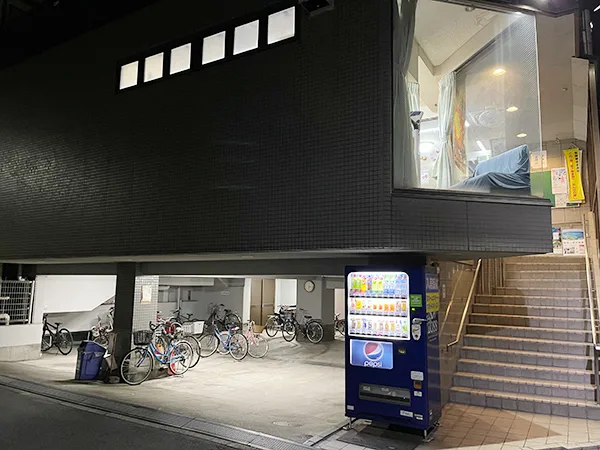
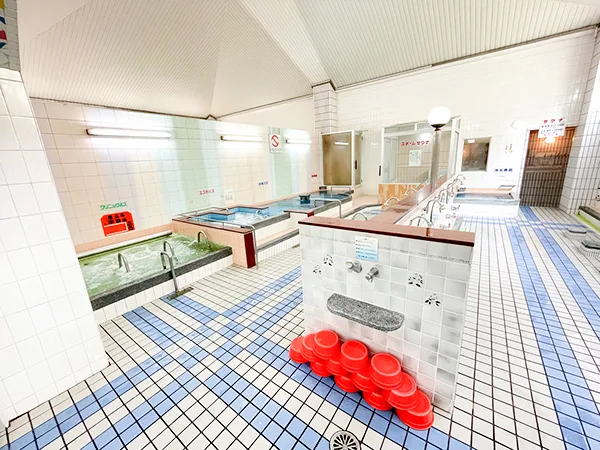
None of these sento is at the USJ gates. They make sense as a stop after leaving the park if your hotel or return route takes you through Nishikujo or Konohana. Choose by the station you will pass and how much time remains before closing; the park’s closing time alone does not tell you when you will reach a bathhouse.
Compare the four stops
| Bathhouse | Hours and weekly closure | Best access point | Listed feature |
|---|---|---|---|
| Daifuku-yu | 2:30–11:30 p.m.; Wednesday closed | 3-minute walk from Nishikujo Station | Dry sauna in the men’s bath; steam sauna in the women’s bath |
| Baika Onsen | 2:05 p.m.–midnight; Friday closed | About 314 m from Chidoribashi Station | Radon steam room, outdoor and cold baths |
| Chidori Onsen | 2:30–10:30 p.m.; Tuesday closed | 6-minute walk from Chidoribashi Station | Dry sauna included in admission; women need a large towel |
| Naniwa Onsen Jabujabuland | 2 p.m.–midnight; Thursday closed | Bus stop 5-minute walk; stations farther away | Dry and steam saunas, outdoor bath and carbonated bath |
Hours and facilities come from the Osaka Public Bathhouse Association listings checked on 24 October 2026. None of the four pages gives a last-entry time, so call the bathhouse if your arrival is close to closing.
Let the return route make the choice
Daifuku-yu is the simplest rail-side stop if you return through Nishikujo. The station is a short walk away, and the two sauna rooms differ by bathing side. Its 11:30 p.m. close gives less time than the midnight options, so leave room for the walk from the station and changing.
Baika and Chidori are both in the Chidoribashi area. Baika stays open to midnight and has a radon steam room, outdoor bath and cold bath. Chidori closes at 10:30 p.m., but the dry sauna is included in the standard bath ticket; women must wear a large towel in that room, with a ¥100 rental listed if needed. Nearby parking details differ, so check the individual listing if driving.
Jabujabuland has the broadest facility list, including both dry and steam saunas. The Osaka Public Bathhouse Association estimates an 18-minute walk from Ajikawaguchi Station or 20 minutes from Chidoribashi; a bus stop is closer. The five spaces listed at the bathhouse may help by car, but this is the least direct station walk of the four.
Osaka’s current standard public-bath admission is ¥600 for adults, ¥200 for elementary-school children and ¥100 for younger children. That is the base bath fare. Chidori’s sauna is included; the other association listings do not show a current sauna surcharge. Ask at each counter about any extra charge or towel rental. Tattoo policies are not confirmed in the cited listings, so contact the bathhouse you plan to use.
These are neighbourhood sento, not documented natural-spring destinations. Radon steam and an “Onsen” name do not establish a natural source. For a verified spring bath farther from the park, see the Osaka day-use onsen guide; the Konohana and Minato sento guide covers more local choices.
For facility-level details, read Daifuku-yu, Baika Onsen, Chidori Onsen and Jabujabuland. If you want a larger spa rather than a neighbourhood bath, compare Spa World or the USJ-area spa comparison; those facilities have different locations and admission formats.
