Takaragawa Onsen Day Trip: Four Riverside Baths and the Practical Limits
Plan a day at Takaragawa Sanso’s four riverside baths. Check current fees, required bathwear, winter roads and limited transport for day visitors.
Takaragawa Onsen is best known for its large outdoor baths along a forested river. Day visitors enter through Takaragawa Sanso, not the ryokan’s guest reception. The current adult admission is ¥1,500, includes the facility’s own bathing dress, and allows up to four hours in the baths. That is a generous window for a soak and a meal, but getting there takes more planning than the bathing itself.
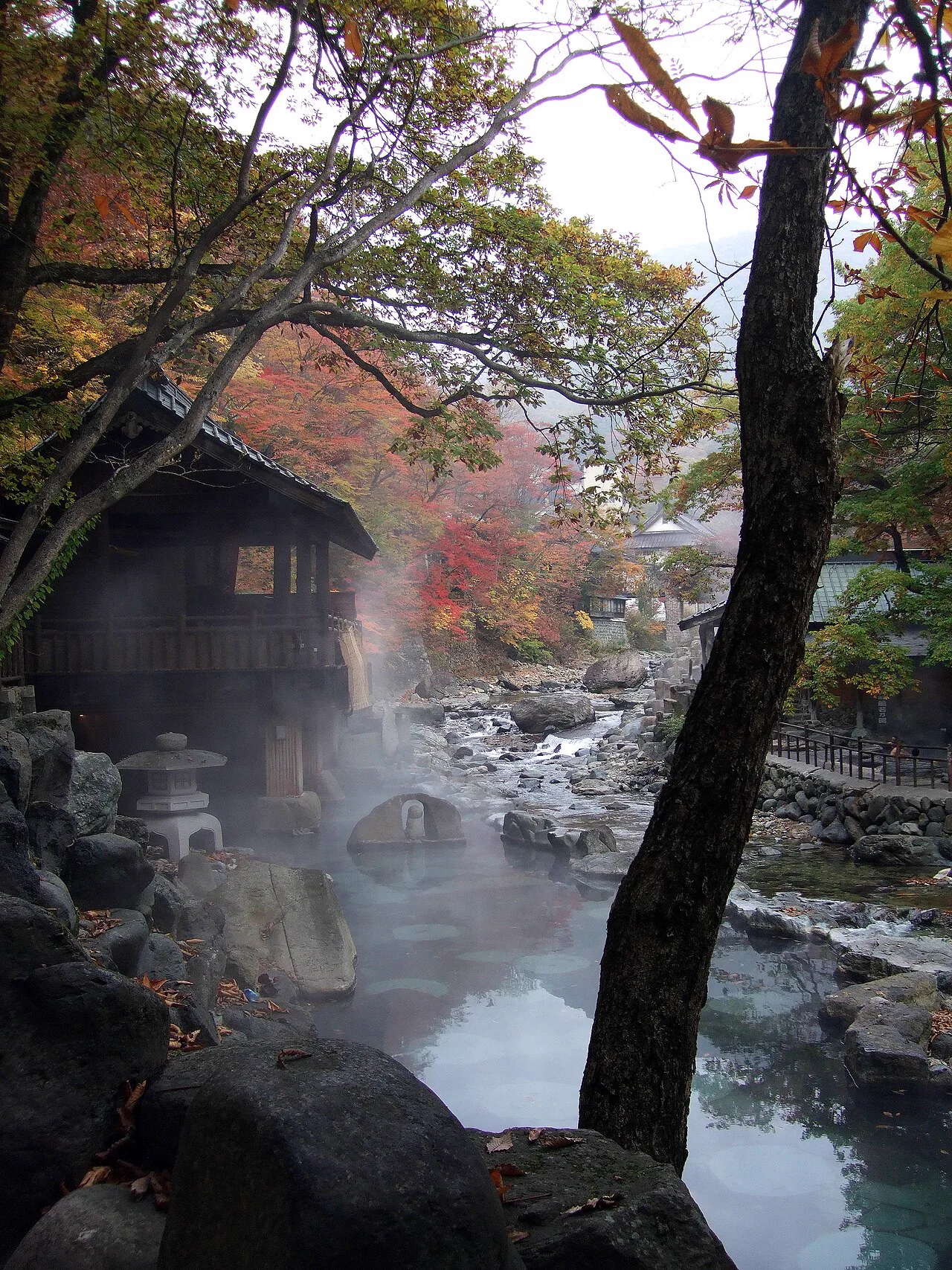
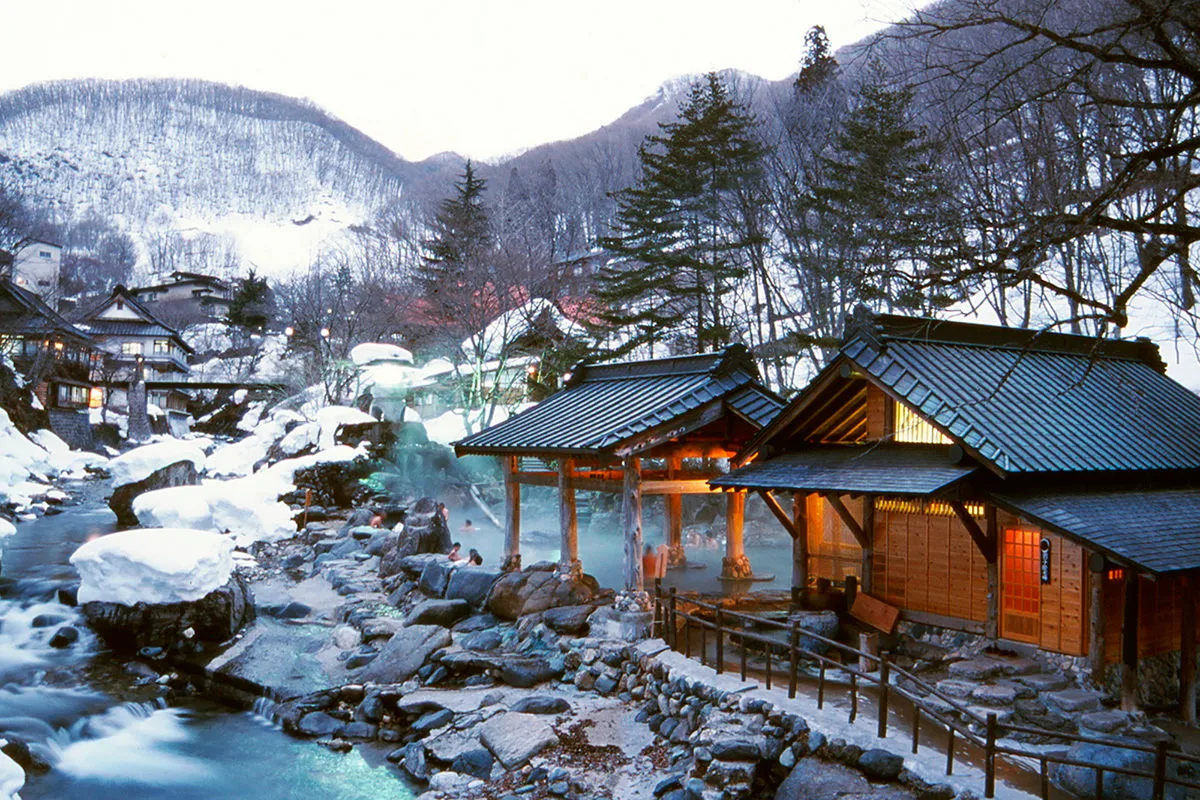
The setting is the point: the four outdoor pools together cover about 470 tatami mats, and the Sanso also has an indoor bath. Three outdoor pools are mixed bathing; Maya-no-yu is for women. If you are after a quick, easy-to-reach public bath, this is probably the wrong detour. Come for the riverside scale, and make sure the transport works before setting out.
What the day ticket covers
| Day-use detail | Current information |
|---|---|
| Adult admission, junior high school age and older | ¥1,500 |
| Elementary school children | ¥1,000 |
| Preschool children | Free |
| Opening hours | 10 a.m.–4:30 p.m. |
| Last reception | 4 p.m. |
| Maximum stay | Four hours |
| Bathing dress | Takaragawa’s own dress is included; personal bathing dresses cannot be used |
| Bath towel rental / face towel | ¥100 / ¥200 |
| Parking | Free; space listed for 150 cars and 10 large vehicles |
The operator recommends arriving by around 3 p.m., even though reception continues until 4 p.m. The ticket covers the four shared outdoor baths and the indoor bath at Takaragawa Sanso. It does not turn the guest-only baths in the ryokan into part of the day-use offer.
The bathing dress is part of the rules, not an optional rental upgrade. Bring your own towel if you have one, but do not plan to substitute your own bathing wear for the dress supplied at reception. If you want a full-size towel, rental is available; a face towel is sold separately.
Four outdoor baths, with different bathing arrangements
Maka-no-yu is the best-known pool, at about 120 tatami mats. Hannya-no-yu is smaller—around 50 mats—with a shallow section across roughly half the bath, which may be easier to manage with children. Both are mixed and the inn lists them as natural spring water without added water, heating, circulation or filtration.
Kodakara-no-yu is the largest, at about 200 mats, and is also mixed. The operator says it adds water in summer to bring the temperature down; it does not heat or circulate the bath. Maya-no-yu, around 100 mats, is women-only and also uses summer water adjustment. That distinction matters if you specifically want an outdoor bath that is never diluted: the operator’s individual-bath descriptions do not support describing all four pools that way.
Each pool has its own changing area, and the bathing dress makes the mixed-bath arrangement more approachable for visitors who would not be comfortable with traditional nude mixed bathing. Still, do not assume every person in a group will use the same pools. Women have Maya-no-yu as a separate outdoor option; men who prefer not to use the mixed baths can use the Sanso’s indoor bath.
The transport caveat is easy to miss
The ryokan’s access page describes reserved shuttles from Jomo-Kogen and Minakami stations for overnight guests. The day-use page says plainly that day visitors do not receive a shuttle. Do not book a train on the assumption that the lodging shuttle will take you to the baths.
The inn’s public-transport instructions describe taking a local bus from Jomo-Kogen to Minakami Station, then a bus toward Yunokoya and getting off at Takaragawa-iriguchi. Its access page refers to a shuttle for the remaining segment, but does not establish that this is available to day visitors. Confirm the last leg directly with Takaragawa Sanso before relying on this route; if it cannot be arranged, a taxi or another transfer may be needed. Current bus timetables should also be checked with the operator, as the inn’s page may not reflect every seasonal change.
Driving is more straightforward: the official route is about 18 km from Minakami IC via Route 291 and the Minakami-Katashina road. Parking is free. In winter, the inn warns that snow is common and asks drivers to bring traction equipment. If snow driving is unfamiliar, consider whether the final mountain-road stretch is a sensible part of your day.
Is it worth the detour?
Takaragawa makes sense when the outdoor setting is the reason for choosing a bath. Four large riverside pools, the required bathing dress and a four-hour limit make this a distinct half-day outing, not a simple station-side dip. At ¥1,500 for adults, the basic cost is clear; towels are the main listed extras.
It is less compelling if you want multiple indoor facilities, a long lounge session or an uncomplicated no-car visit. For other options in the area, compare the Minakami day-use onsen guide and the Shima Onsen day-bath guide. If tattoos may affect your visit, the official day-use information reviewed here does not state a policy; ask the facility directly before travelling.