Saya-no-Yudokoro vs Spa LaQua: Two Very Different Tokyo Onsen Days
Compare Saya and Spa LaQua on price, water, facilities, hours and ticket extras.
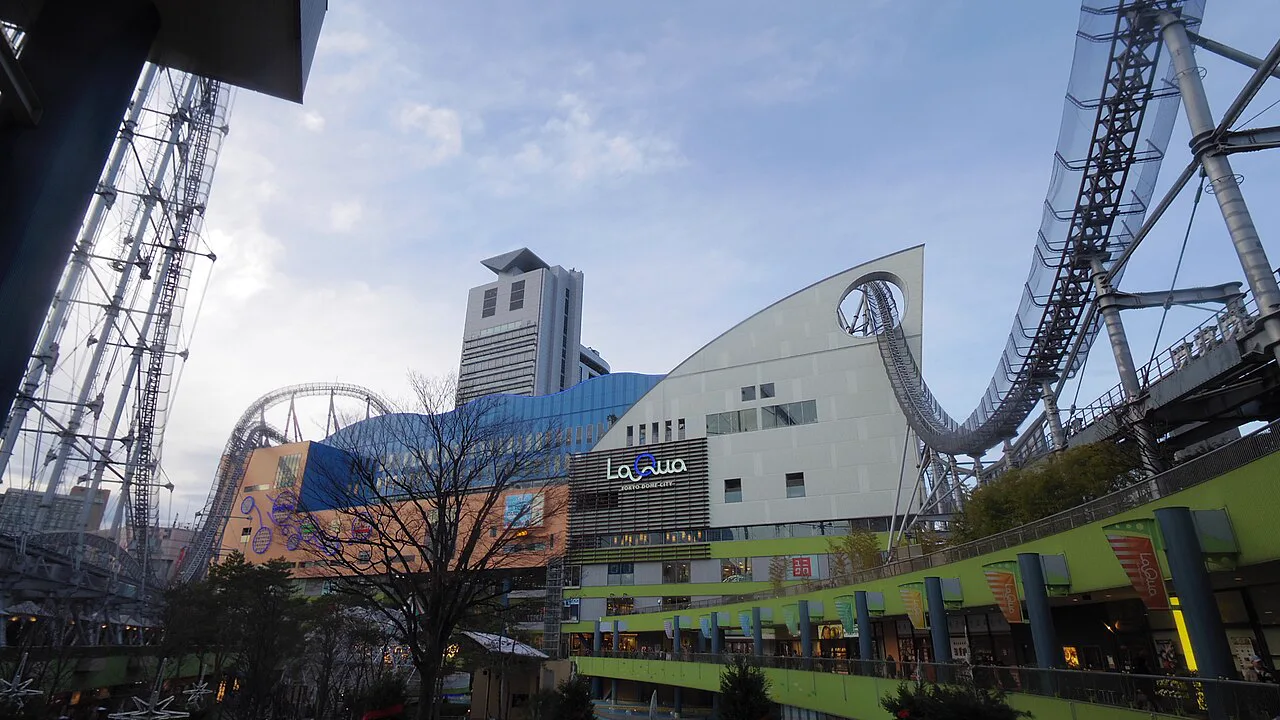
These two baths solve different itinerary problems. Saya-no-Yudokoro is a garden-backed day spa in Itabashi, while Spa LaQua sits beside Tokyo Dome and operates through the night. The first is easier to justify for a focused soak; the second earns its higher ticket when you use the lounges, dining and longer schedule as well.
Start with the time you have
| Cost | Saya-no-Yudokoro | Spa LaQua |
|---|---|---|
| Standard admission | ¥970 weekdays; ¥1,300 weekends and public holidays | From ¥3,500; varies by date |
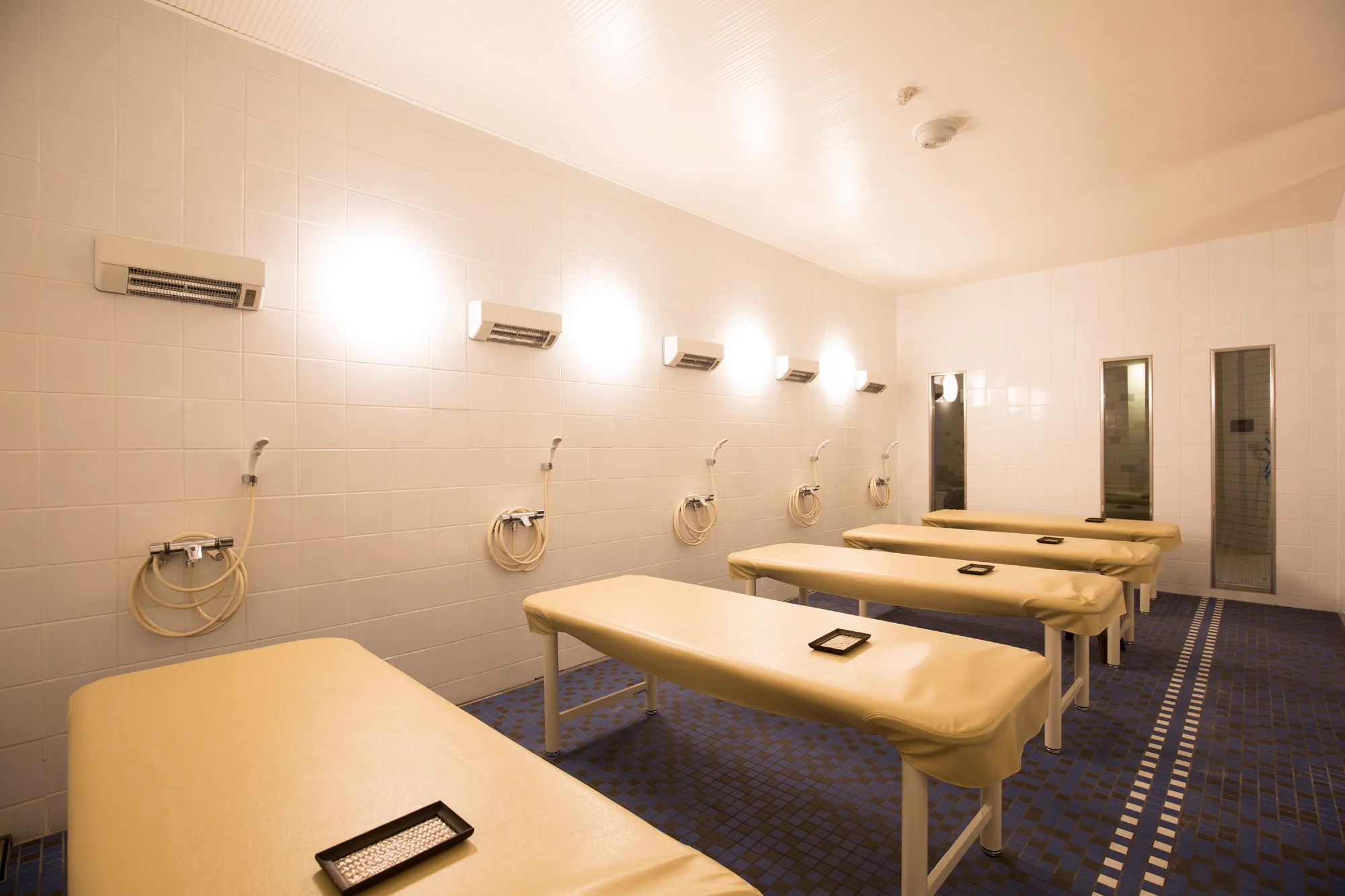
| Included | Baths and dry sauna | Towel set and indoor wear |
| Optional add-ons | Towel set ¥380; bedrock sauna ¥760 | Healing Bade ¥1,100; ages 18+ |
| Late entry / stay | — | ¥1,000 off after 7 p.m.; ¥2,500 late-night charge for stays between 1 a.m. and 6 a.m. |
Saya’s ticket covers the public baths and dry sauna. LaQua prices its admission by date and includes rental indoor wear plus a towel set; check its live calendar before fixing your budget. After 7 p.m., the operator deducts ¥1,000 from the listed admission price, while stays that cross 1–6 a.m. add a separate late-night charge.
For a short bath, the extra services at LaQua may go unused. If you are leaving a game or concert late, its central location and overnight hours can save a separate hotel or transport decision; at Saya, the garden and multiple pools are the better use of a longer daytime stop.
One spring-fed bath versus LaQua’s wider spa setup
The clearest distinction is how each operator handles its spring. Saya identifies the Gensen-buro as the Itabashi Maeno source bath, heated without dilution, disinfection or recirculation. Other outdoor pools use diluted spring water that is filtered and chlorinated; its indoor carbonated and jet baths use softened well water.
LaQua draws Koishikawa Onsen from around 1,700 metres below the Dome area. It is a sodium-chloride spring, heated and recirculated through filters. A milder outdoor pool is about 38°C, with a hotter option around 42–43°C. Choose Saya if untreated source flow is the priority; choose LaQua for a wider spa layout around the spring.
Getting there, staying late and entry conditions
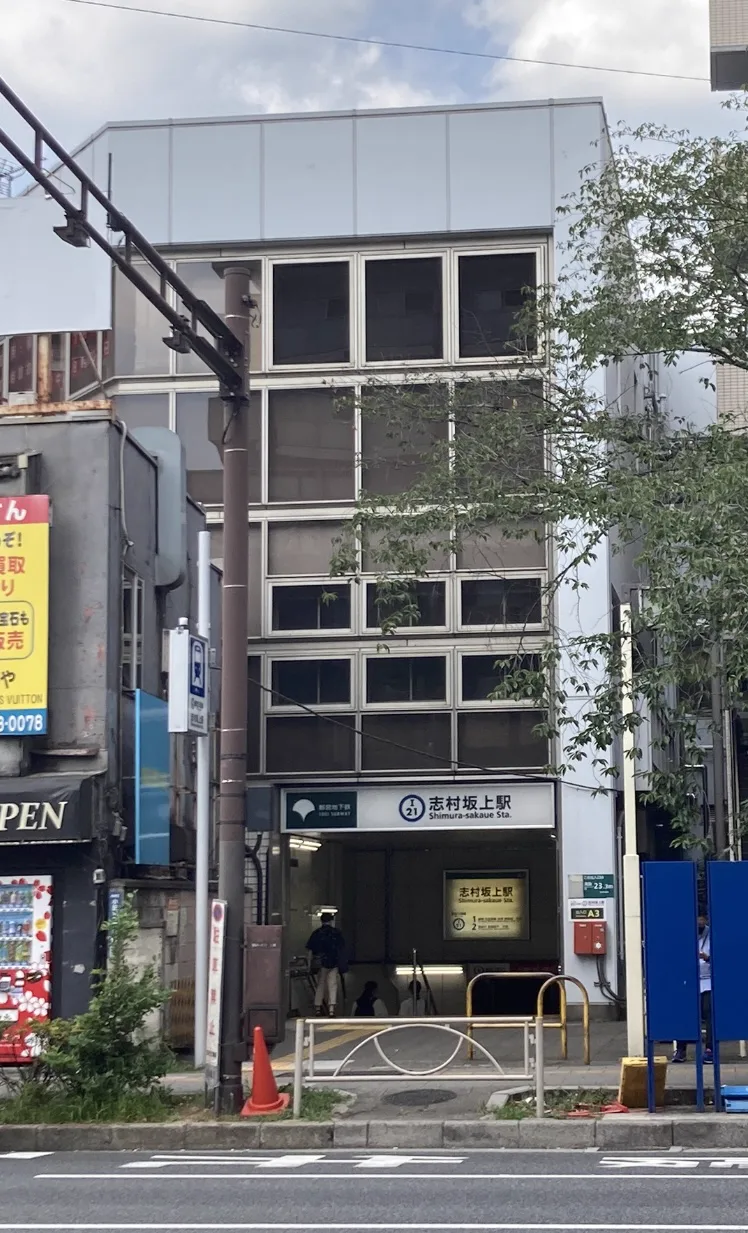
LaQua is linked closely to Tokyo Dome City: Korakuen is about a minute away, Kasuga about two, and JR Suidobashi roughly six. Saya needs a short onward walk from Shimura-sakaue, or a bus from Tokiwadai or Akabane. Its 74-space car park is free on weekdays; weekend and holiday parking is free for five hours, then ¥100 per hour.
| Entry condition | Saya-no-Yudokoro | Spa LaQua |
|---|---|---|
| Hours | 9 a.m.–midnight; last admission 11 p.m. | 11 a.m.–9 a.m. next day; baths close earlier |
| Current notices | Maintenance may affect opening | Check LaQua’s notice page and calendar |
| Tattoos | Up to two venue stickers, each 11 × 20 cm and ¥310, must fully cover tattoos | Tattoos and body art are not admitted |
| Children | Children admitted; diaper use and age-based gender-separation rules affect bath access | Under-6s excluded; ages 6–17 have time limits and need a guardian |
At Saya, tattoos must be fully hidden with no more than two venue-issued 11 × 20 cm stickers. LaQua refuses tattoos, body paint and tattoo stickers. Saya has age-based opposite-sex bathing rules and separate sauna age limits; LaQua excludes children under six and limits accompanied guests aged 6–17 to a daytime window. Check the detailed rules if any of these conditions apply to your party.
Read the Saya-no-Yudokoro facility guide and Spa LaQua’s full visitor guide before choosing. Other options include Thermae-Yu, Somei Onsen SAKURA, Takaosan Gokurakuyu and the Ariake waterfront spa. For broad comparisons, use the Tokyo day-onsen guide, tattoo policy guide and first-sento visit guide.