Abugawa or Tamagawa Onsen? Comparing Hagi’s Day Baths
"Compare Abugawa and Tamagawa day baths: fees, hours, spring type and bus access."
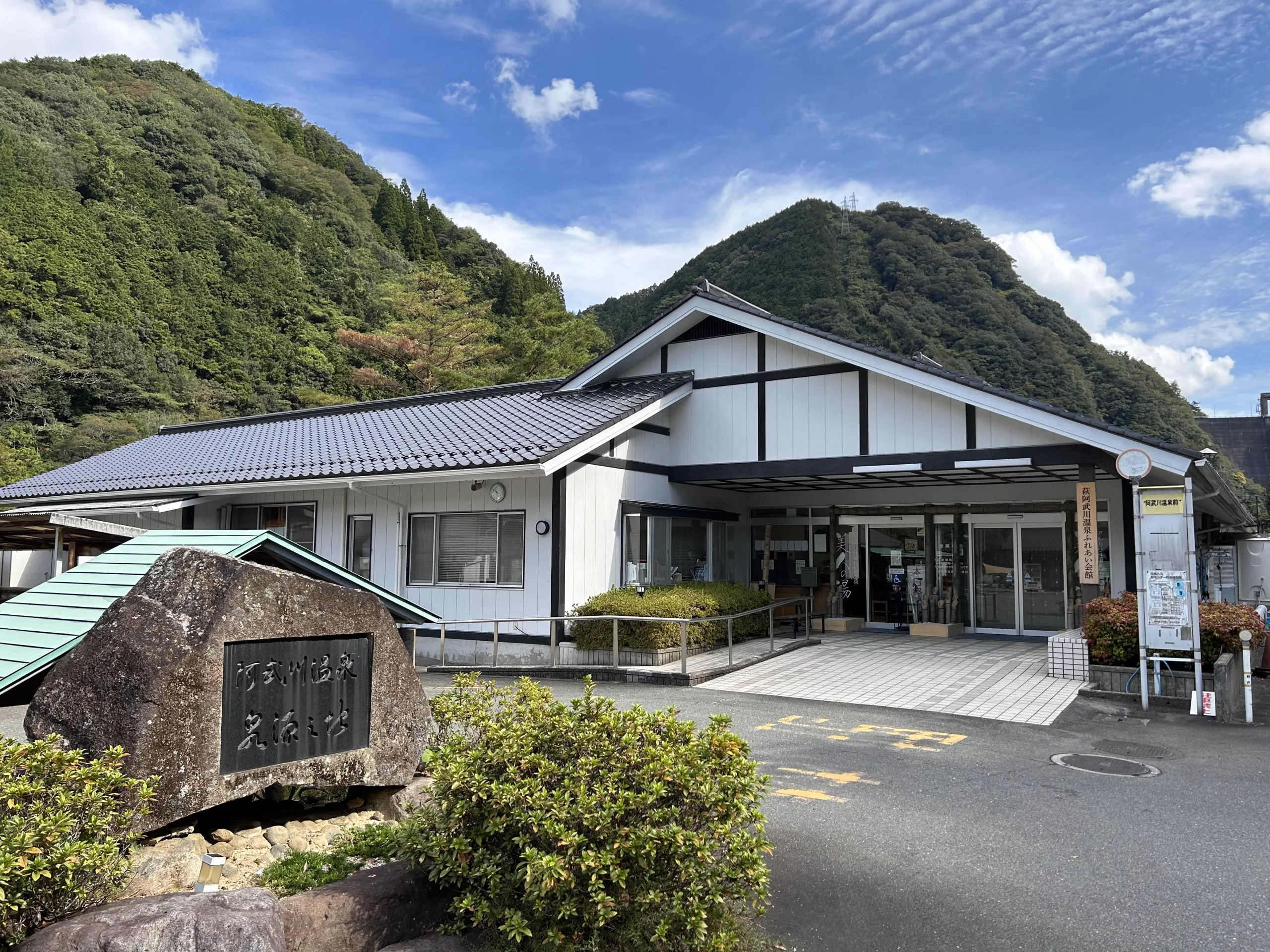
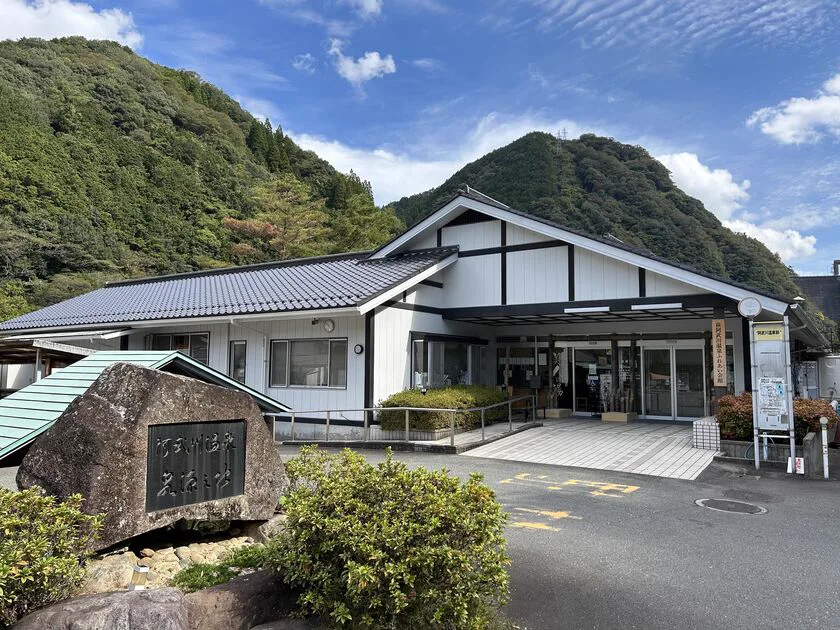
Abugawa and Tamagawa are both public baths in Hagi, but they belong to different days out. Abugawa sits up the Kawakami valley, south of the historic centre; Tamagawa is near the Shimane border on Hagi’s northern coast. The drive and bus timetable matter more than the ¥150 difference in adult admission.
Checked: October 24, 2026
| Day-use detail | Abugawa Onsen Fureai Kaikan | Tamagawa Onsen Ikoi-no-Yu |
|---|---|---|
| Route fit | Kawakami valley, about 15 minutes by car from central Hagi | Northern coast, Susa and Masuda side; roughly 45–60 minutes by road from central Hagi |
| Adult admission | ¥700; Hagi residents may show proof of address to use the previous ¥550 rate for now | ¥550 |
| Child admission | Elementary school ¥300; younger children ¥100 | Elementary school ¥250; younger children ¥100 |
| Bathing hours | 10:00–20:00; last entry 19:30 | 10:00–21:00; last entry 20:30 |
| Regular closure | Tuesday, except public holidays | Monday; if Monday is a public holiday, Tuesday |
Abugawa’s revised prices took effect July 1, 2026. Older facility information still shows the former ¥550 adult rate and ¥250 elementary-school rate. The current city notice does not say whether the sauna remains included in the revised fee; ask if you are going specifically for sauna access.
The water and bathing rooms
Hagi City classifies Abugawa as an alkaline simple spring. The operator says water from a source about 1,000 metres underground feeds the facility, and describes its outdoor bath as receiving source water at about 35°C. That is a source reading, not a guaranteed temperature in the pool. The property has a sauna, but a current chemical analysis and current sauna surcharge are not clearly posted alongside the new fee.
Tamagawa is listed as a calcium-sodium chloride cold spring. Its two bathing rooms have indoor and garden-style outdoor baths; a sauna is in one room only. A 2022 analysis sampled water after iron and manganese removal at the facility’s feed pipe. It recorded a source-side temperature of 20.7°C and pH 6.8 on site (6.9 in the laboratory). The report’s 13 tonnes per day is the facility’s use volume, not a spring-yield measurement.
The rooms’ gender assignments rotate, but the interval is not consistent across the public sources. The operator’s notice says the rooms alternate every other week; the Hagi Tourism Association says they change weekly. Call Tamagawa before your visit if you are choosing the bath for sauna access.
Bus service is limited at both ends
Abugawa is the simpler detour from central Hagi by car. The last Bōchō Bus timetable I could verify is dated July 1, 2025; it lists six runs each way from Hagi Bus Center and a final return from the bath at 18:08. Check the operator’s current date-specific timetable before travelling by bus, especially if you plan to stay until the 20:00 closing time. Hagi City also runs a separate Kawakami community bus on Monday and Wednesday through Friday; it does not run Tuesday, weekends or public holidays, and its reservation service has its own booking cutoff.
Tamagawa sits beside the roadside-station and park area, but its local buses are infrequent. Hagi City’s 2026 life-bus schedule includes weekday stops at the Tamagawa roadside station; the service does not run on weekends, public holidays, August 13–15 or December 29–January 3. Check the exact departure for your direction and date. For a coast-focused drive between Hagi and Masuda, Tamagawa fits naturally; it is a long return trip if you only wanted a quick soak near central Hagi.
If you are staying around Hagi’s town centre, compare these public baths with the Hagi hotel-bath guide, Hagi Kanko Hotel, Mihagi by Kikugahama, Hagi Honjin and Hagi Komachi’s unconfirmed day-use access. For other Yamaguchi stops, see Tamagawa Ikoinoyu, the Yuda day-bath guide, Yuda no Mori and Tawarayama Onsen.
Bus frequency and facility notices can affect which bath fits your route.