Beppu Day Trip or Overnight? Choose by Your Real Time
Compare four-hour and seven-hour Beppu visits with an overnight stay by usable time, transport, bathing and next-morning plans.
Decide whether to stay overnight by counting the time you will actually have in Beppu, not the length of the day on your calendar. Four hours is enough for one clear focus. Seven can fit a main area and a light second stop. An overnight stay buys you a relaxed evening and a morning already in town—not simply more baths to tick off.
First subtract luggage storage, travel to the onsen district, waiting and walking, changing and showering, meals, and the buffer needed to get back to your next train or bus. Arriving at 9 a.m. and leaving after dinner is a different trip from getting off a bus at noon and departing at 5 p.m. If you are travelling without a car, use the Beppu transport guide; if you already plan to stay, the guide to where to stay in Beppu compares the main areas.
Four hours: commit to one area
With only four usable hours, a day trip still works well—as long as you let one experience lead.
For the least transport: stay around central Beppu. Choose one or two public baths and a meal; the plan is easy to change if a bath is closed, busy or you decide you are done soaking. The half-day Beppu Station onsen walk keeps the day on foot.
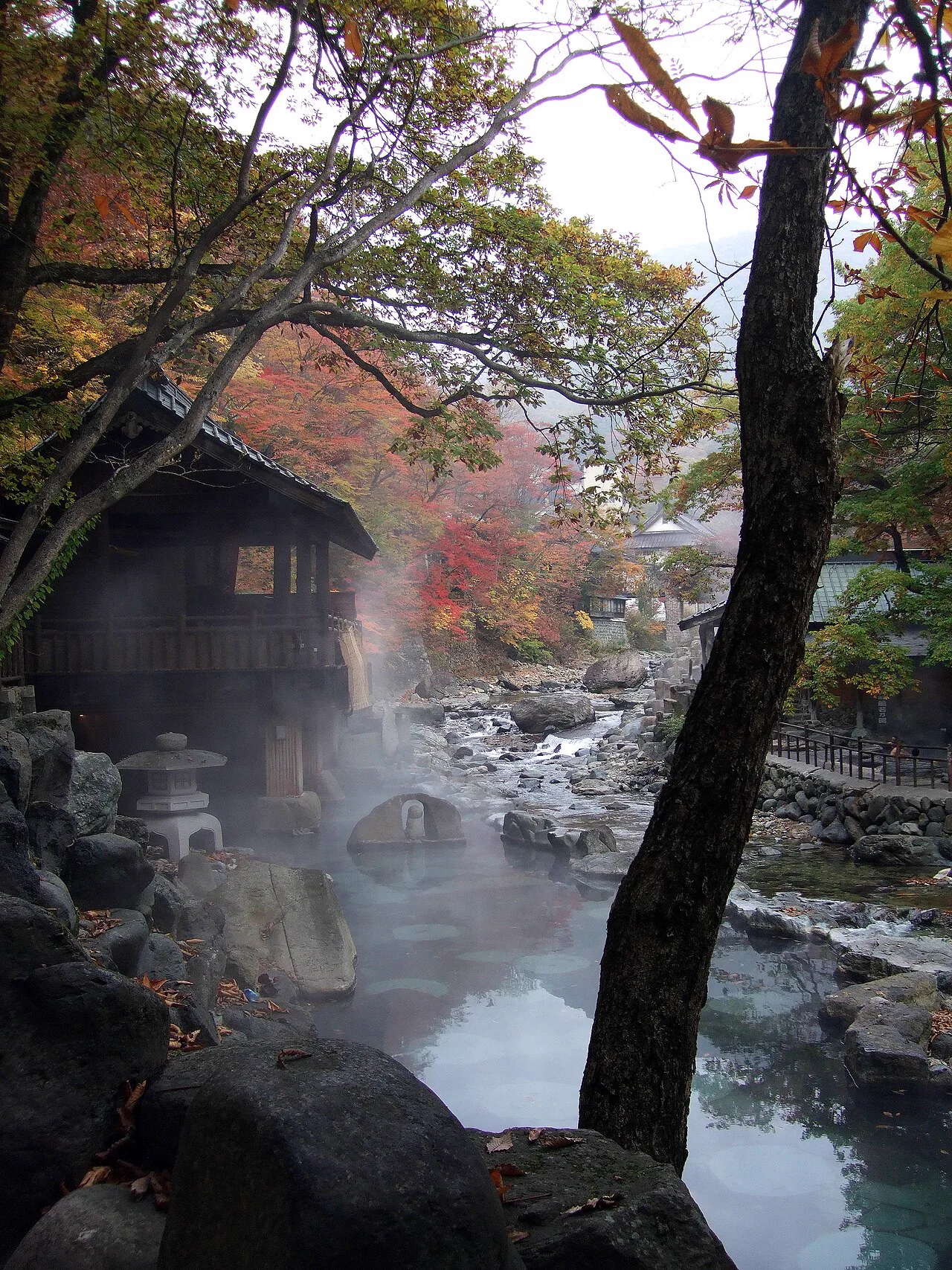
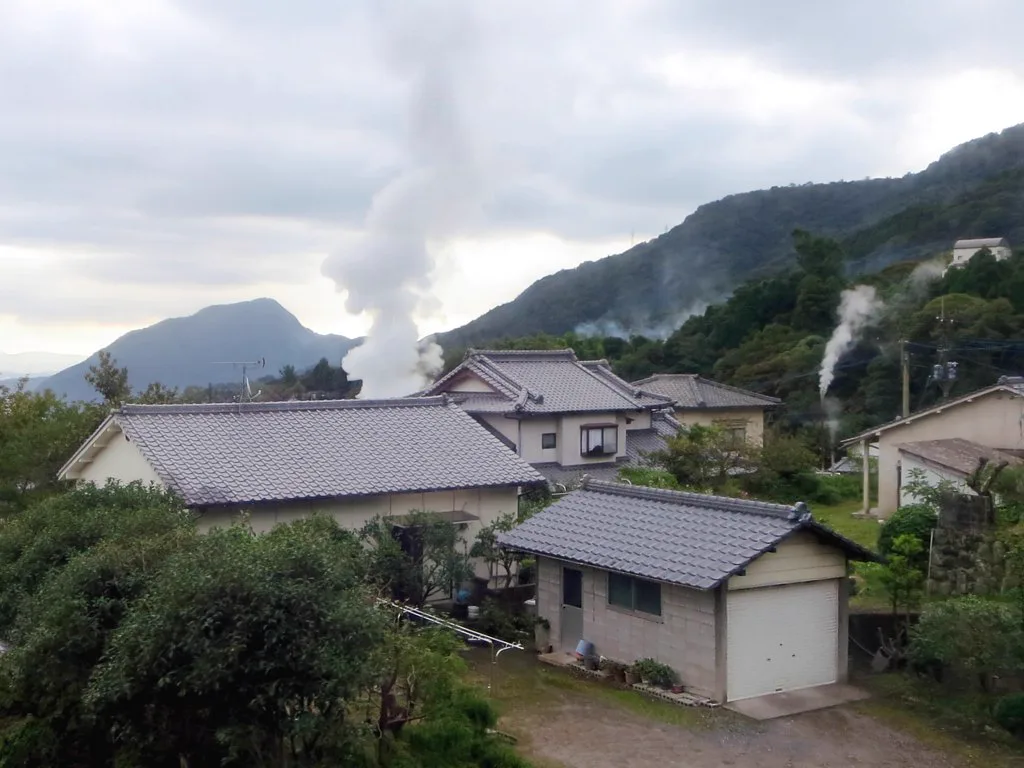
For steam-filled streets and the hell-tour sights: go straight to Kannawa. Treat the walk, a jigoku-mushi meal and one bath as the outing. The onsen route after Beppu’s hells has more detail. Do not spend a short visit crossing back to central Beppu just to add another bath.
If Myoban is the point: head uphill and make Yunohana, the hillside setting or a particular private bath the whole plan. Check the bus back and the last admission before leaving town; a short visit is not the time to fit Myoban in after a full central-Beppu circuit.
Seven hours: one main area and one optional extra
Seven hours gives you room for a second stop, but not two complete half-day itineraries. A few combinations that leave breathing room:
- Kannawa for the main visit, followed by dinner near Beppu Station.
- A central public bath and lunch, then a single Kannawa stop in the afternoon.
- Myoban as the main destination, with a brief Kannawa visit only if buses and energy line up.
Keep that second stop easy to drop. A delayed bus, long lunch or tired legs after bathing should not put the whole day at risk. Check the timetable and opening hours before building a route around two districts.
What one night adds
The useful difference is having three stretches of time that a day trip tends to squeeze:
- Late afternoon: you can finish a bath or walk without watching the clock for the last ride out.
- Evening: dinner and another soak can happen at a natural pace. Staying near Kitahama or the station makes central dining easier; Kannawa keeps the steam-filled streets and an on-site bath close by.
- The next morning: start with an early bath, breakfast or a short walk without first commuting into Beppu from another city.
Choose the base around the next morning as well as the first evening. A station-side stay is handy for an early JR departure. Kannawa suits travellers who want to spend their remaining hours among the hot-spring streets, but allow time to get back with luggage. Myoban is better treated as a destination stay than a daily transport hub.
| Stay | Makes sense when… | Check before booking |
|---|---|---|
| Onyado Nono Beppu | You arrive by JR, leave by train the next day or want a public natural bath close to the station | Private baths are first-come; five use natural spring water and two are silky baths. |
| AMANEK Beppu YULA-RE | You want a short station walk and a high-floor outdoor bath | Public-bath hours run in morning and evening blocks; an in-room natural bath is limited to a named suite. |
| Nishitetsu Resort Inn Beppu | You arrive by airport or highway bus at Kitahama | Its natural bath is public, with no private or in-room onsen; JR Beppu Station is about a ten-minute walk. |
| Beppu Showaen | The ryokan is part of the experience, with in-room spring bathing and private baths | Without a car, confirm the current pick-up window (about 2–5 p.m.) and drop-off window (about 9–11 a.m.). |
Booking links may include affiliate tracking. A qualifying booking may earn the site a commission at no extra cost to you.
Put a realistic cost beside each option
For a day trip, budget for round-trip transport, one bath and a meal, then add local buses, towels or sightseeing admission as needed. For two adults, allow at least about ¥5,000 for a simple visit focused on one area; intercity fares depend on where you start and should be added separately.
For an overnight stay, add the room, meals and bathing tax, then compare them with the transport and admission you would pay anyway. If you will use dinner at the inn, a night bath and a morning soak, the room buys time as well as a bed. If the sole reason is to squeeze in one extra public bath, a day trip may cost less and do the job.
Fixed plans can settle the question
An evening dinner booking, highway bus or JR departure is a hard boundary. Return with a buffer instead of relying on the last theoretical connection. Bathing outside the centre adds more uncertainty: admission may end before closing, and a bus delay can eat into the ride back.
An early train the next morning favours a stay near Beppu Station. If dinner is included at a ryokan, plan around check-in and serving time so you are not rushing back.
From Fukuoka, allow for four to seven usable hours in Beppu after intercity and local transport. Focus on central Beppu, Kannawa or Myoban. You can combine Beppu and Yufuin if the aim is to see both towns; for more bathing time and a slower pace, give one town the larger share. See the Beppu or Yufuin comparison.
If you are checking out of Yufuin and heading to Beppu, treat Beppu as a four-to-seven-hour visit: a central bath and dinner, Kannawa and one soak, or Myoban as the single main stop. If you want Beppu’s evening and following morning too, add a night rather than hauling luggage across three districts.
Families, older travellers and bathing breaks
Seven hours can feel very different with children or older companions. Bus steps, toilets, meals, changing and rest all need time. One district at a manageable pace is often more useful than two areas with every transfer timed tightly. The same goes for bathing: water, cooling down and a proper break matter more than the number of baths visited.
Tattoo rules vary by facility; there is no single Beppu-wide rule to rely on. Check with the bath or hotel you intend to use before setting the plan around it.
A simple decision
- About four hours: day trip, one theme.
- About seven hours: still a day trip; add one optional stop, not a second full itinerary.
- Want an evening, night soak and the next morning: stay overnight.
Use your arrival, departure and dinner times to choose between the three options above; they set the hours you can actually spend in Beppu.
Sources
- Beppu City: visitor and facility information
- Beppu Tourism
- Kamenoi Bus: routes and timetables
- Beppu City municipal hot-spring facilities
Use the linked operator and facility pages for travel-date timetables, last admission and meal hours.