Manyo Club or Ren in Kobe? Compare the day-use stay
Manyo vs Ren: ticket price, child access, spring water, private baths and hours.
Manyo Club and Ren both bundle more than a bath, but the best fit depends on who is travelling and how late you plan to stay. Ren’s standard weekday ticket is cheaper; Manyo is more flexible for a family visit, a paid private bath or a rest stop that stretches past the last train. Their spring-water setups differ too: Ren draws its spring beneath the property, while Manyo brings its water from Miki City.
| Adult day use | Harborland Manyo Club | Kobe Minato Onsen Ren |
|---|---|---|
| Standard entry | ¥2,950 + ¥75 bathing tax | ¥2,715 weekday; ¥3,155 weekend / holiday, tax and bathing tax included |
| In the ticket | Bath, loungewear, bath and face towels, amenities, included relaxation areas | First-floor baths, towels, loungewear, amenities and one drink |
| Bath hours | 5 a.m.–2 a.m.; cleaning 2–5 a.m. | 6 a.m.–midnight |
| Children | Separate child fares; under-18 guests need an adult | Day-use entry age 12+ |
| Private bath | Two spring-water family baths, ¥2,860 per hour, admission extra | No day-use private family bath listed |
| Late stay | After 3 a.m., adult surcharge ¥2,200; leave by 11 a.m. | Day-use baths close at midnight |
| Location | Promena Kobe, linked to JR Kobe Station | Shinko-cho waterfront; Sannomiya shuttle |
For the standard adult ticket, Ren costs ¥310 less on a weekday. On weekends and public holidays, its listed admission is ¥130 more than Manyo’s standard total. Ren charges a separate special-period rate on announced peak dates; check the official fee page before comparing a holiday visit.
The spring source differs; the bathing experience is broader
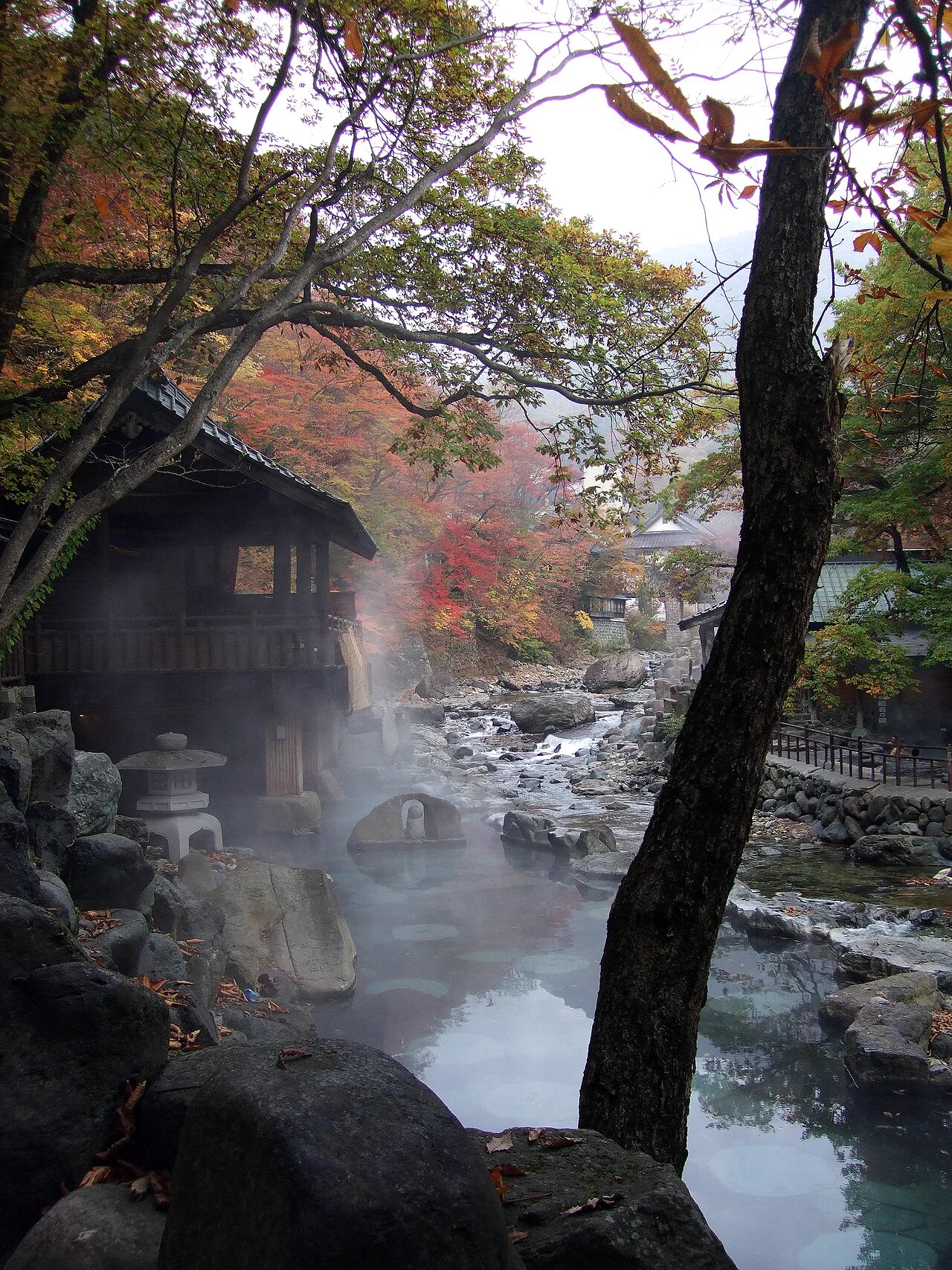
Ren draws its Kobe Minato Onsen spring from a well beneath the property. The operator identifies a first-floor outdoor bath as using flowing source water. Day visitors use the first-floor bathing area; the tenth-floor panoramic bath is reserved for overnight guests.
Manyo’s Satowaki Wakutama no Yu is trucked daily from Miki City. The operator identifies the large public bath and both private family baths as spring-water baths. Other facilities, including the carbonated bath and saunas, are separate bathing options. The delivery method is a source distinction, not a shortcut for judging comfort or quality.
Family bathing and private-room costs
Ren admits day visitors aged 12 and over, which rules out a family bath for younger children. Manyo sells child admission and has baby baths, though children not out of diapers cannot use the public bath. From age seven, children use the bath assigned to their sex; minors need a parent or guardian.
Manyo’s two private family baths are on the 12th floor and cost ¥2,860 per hour, in addition to admission for each guest. The room is the clear answer if two people want to share a bath. Ren’s private spring baths belong to hotel suites and are not day-use rentals.
When the building stays open but the bath does not
Manyo is open around the clock, but the public baths close for cleaning from 2 to 5 a.m. Standard admission covers use from 5 a.m. until 3 a.m.; staying later triggers the adult overnight charge, with checkout by 11 a.m. Recliners and shared rest areas make it workable when the last train is gone, but they are not a private room.
Ren opens earlier in the day, at 6 a.m., and closes at midnight. Its free Sannomiya shuttle begins later than the bath, so it does not serve the opening hour. Choose it for an early waterfront soak only if you already have a taxi, bus or walking plan.
For facility-specific details, see Harborland Manyo Club and the Ren day-use guide. Other comparisons include awa awa KOBE vs Ren, Ren vs Tsuki-no-Yufune, Uhara-no-Yu vs Ren in the morning, Kobe city onsen choices, Minatogawayu, Nada Onsen Rokkomichi, Tsuki-no-Yufune, awa awa vs Tsuki-no-Yufune and Arimakaido Suzuran-no-Yu.