Kotobukiyu in Ueno: A Late-Opening Sento with a Large Open-Air Bath
Kotobukiyu is a Ueno-area sento with a large outdoor bath and late closing time. Check the latest hours and station route for an evening visit.
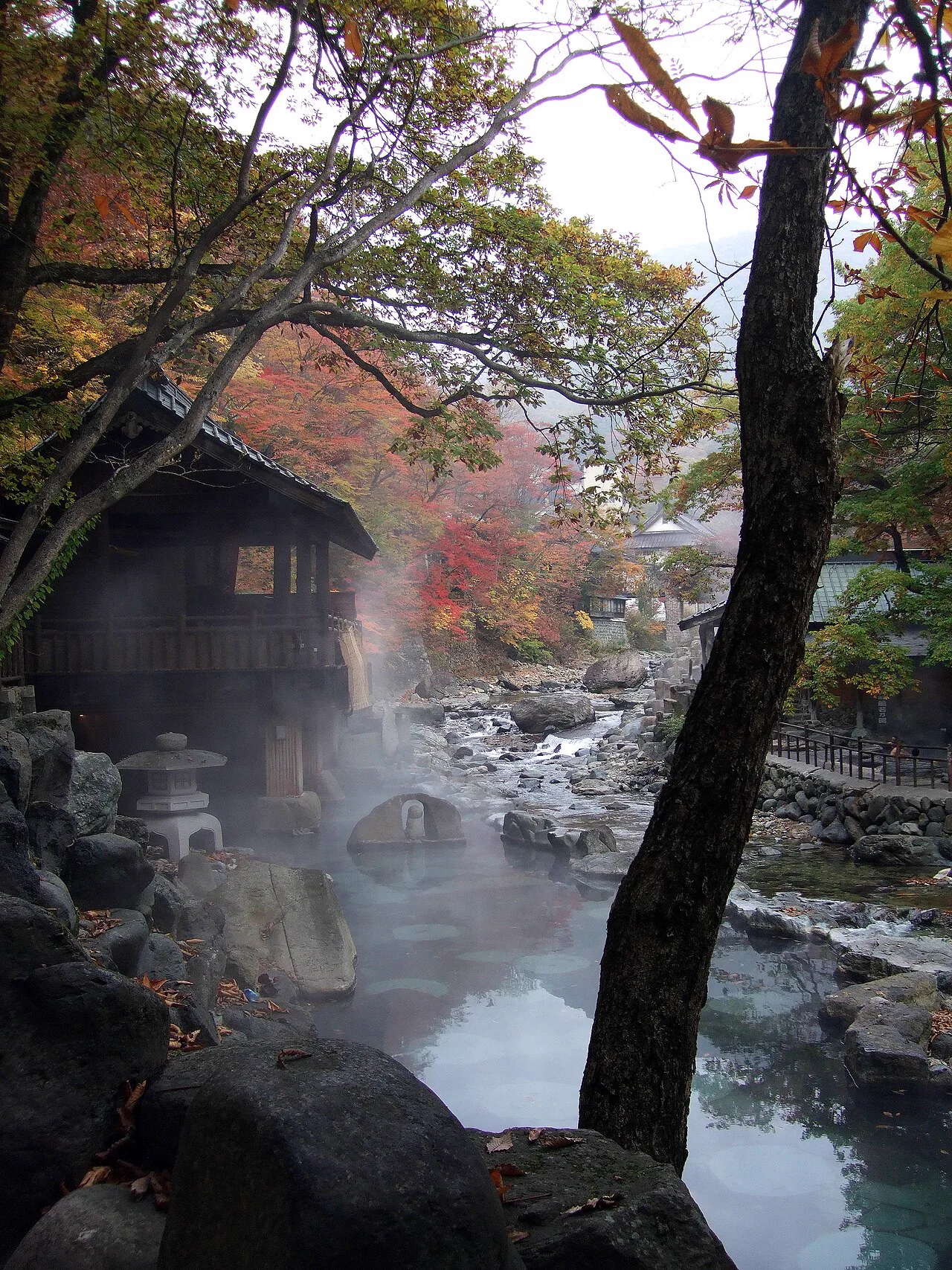
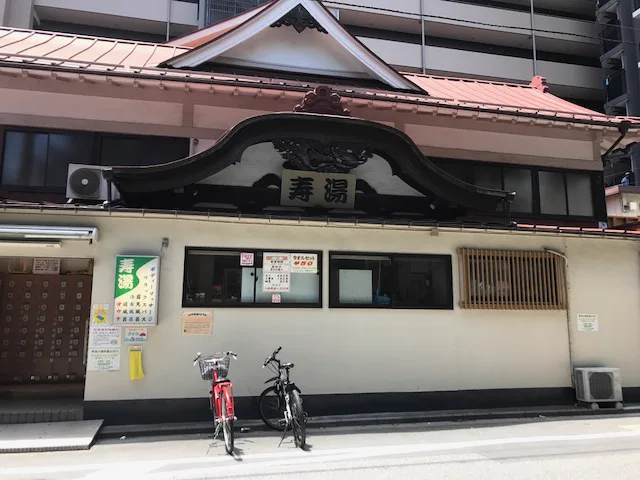
Kotobukiyu is an easy fit after a day around Ueno: it is a neighborhood sento with a traditional karahafu roof, but the bathing options go well beyond one hot tub and a wash area. The large open-air bath is the visual draw. On the men’s side, two saunas and two cold baths add a more involved circuit; the women’s side has an outdoor bath and sauna, but not the same equipment lineup.
Pick your bath temperature before the sauna
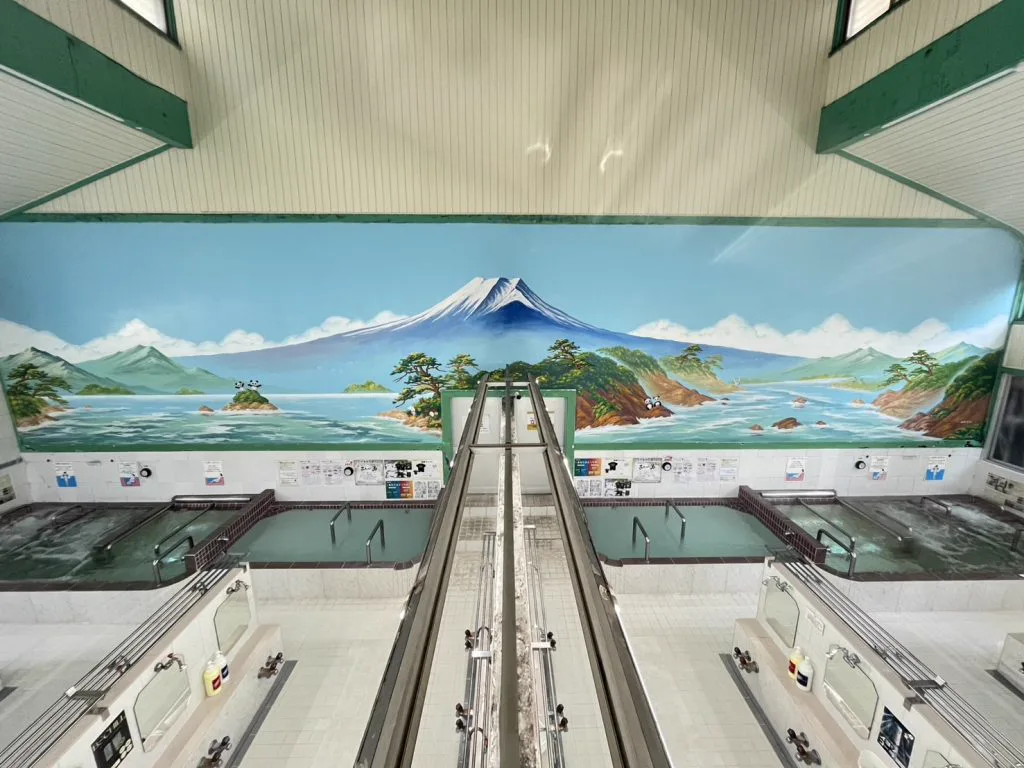
The main tubs are set at different temperatures: roughly 40°C in the outdoor bath, 41°C for the indoor bath and around 45°C for the rotating medicinal bath. Start with the cooler option if you are unsure how the hot bath will feel; the medicinal bath is genuinely hot, not a challenge to endure.
On the men’s side, the outdoor area has a dry far-infrared sauna, a salt sauna and two cold baths, including a cave-like bath. Tokyo’s sento association describes the outdoor baths as unusually spacious for a city bathhouse. The women’s side also has an outdoor bath, cold bath and far-infrared sauna, but does not have the second salt sauna or the cave bath. That distinction matters if you are choosing the place specifically for its sauna count.
Kotobukiyu uses well water for its cold baths, but that does not make the bathhouse a natural hot spring. There is no current spring analysis identifying a natural onsen source. Its appeal is the mix of temperatures, the outdoor space and the old-fashioned sento setting.
Late hours, simple pricing
| Detail | Current listing |
|---|---|
| Hours | 11 a.m.–1:30 a.m. |
| Monthly closure | Third Thursday |
| Adult admission | ¥600 |
| Sauna add-on, weekdays | ¥350 |
| Sauna add-on, weekends and public holidays | ¥450 |
| Towel set | ¥100; includes bath towel, small towel and nylon washcloth |
Shampoo, body wash and hair dryers are provided.
Inaricho Station on the Ginza Line is about two minutes away. Ueno Station’s Iriya Exit is around a seven-minute walk. If you are coming late, don’t treat the 1:30 a.m. closing time as the last entry time—allow time to bathe and confirm the day’s arrangements before setting out.
The rotating medicinal bath changes by day, and Kotobukiyu publishes a monthly bath calendar. It is a small detail, but a useful one if a particular herbal bath sounds better than a generic evening soak.
For a simpler late-night visit focused on the route from Ueno or Inaricho, see the companion Ueno–Inaricho evening bath guide. If you are new to Japanese public baths, our Tokyo sento first-visit guide explains the basics.
Sources
- [Taito Sento: Kotobukiyu address, hours, fees and amenities](https://www.taitosento.com/kotobukiyu/) - [Tokyo Sento Association: Kotobukiyu’s outdoor baths and sauna layout](https://www.1010.or.jp/mag-tokyosento-kotobukiyu/) - [Tokyo Sento Association: bathing temperatures and well water](https://www.1010.or.jp/mag-tokyosento-kotobukiyu-2/) - [Kotobukiyu: official website and monthly bath calendar](https://kotobukiyu.jp/) - Images: [Taito Sento](https://www.taitosento.com/kotobukiyu/) and [Kotobukiyu](https://kotobukiyu.jp/). Checked: 2026-09-27Tags: Tokyo, Ueno, Inaricho, Kotobukiyu, sento, sauna, public bath